

Edited by: MomSaathi Editorial Team
Reviewed by: Evidence-based articles from the WHO, the NHS, and peer-reviewed journals commonly mention several causes of low milk supply.
Understanding Breast Milk Supply and Why It Changes
You can explain that breast milk production works mainly on a “demand and supply” mechanism. The more often the baby breastfeeds or the mother pumps milk, the more signals the body receives to produce milk. According to the WHO, the hormones prolactin and oxytocin play important roles in milk production and release.
- Milk supply naturally changes during the first few weeks after delivery.
- Growth spurts in babies can temporarily increase feeding frequency.
- Stress, illness, dehydration, poor latch, and reduced feeding can affect milk production.
- Frequent breastfeeding helps maintain a healthy supply.
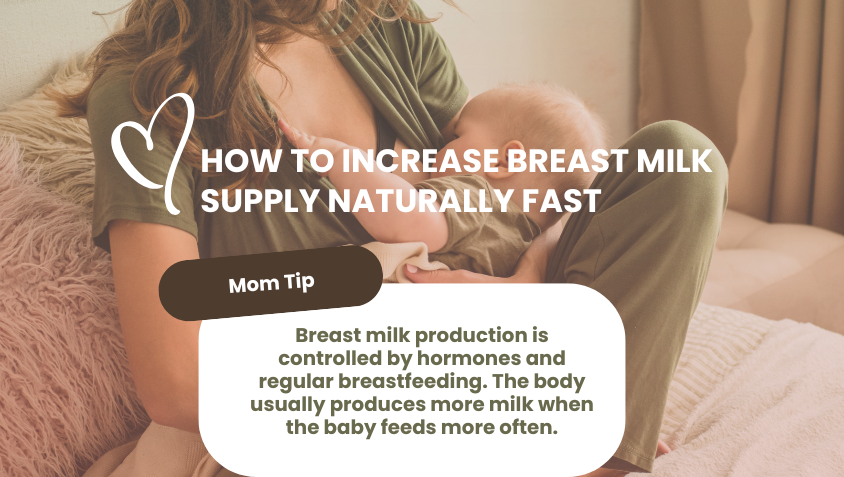
“Breast milk production is controlled by hormones and regular breastfeeding. The body usually produces more milk when the baby feeds more often.”
Common Causes
- Infrequent breastfeeding or pumping
- Poor baby latch
- Formula supplementation reduces breastfeeding demand
- Maternal stress and fatigue
- Lack of sleep
- Dehydration and poor nutrition
- Hormonal or medical conditions
- Delayed initiation of breastfeeding after birth
According to the [NHS Milk Supply Guidance] feeding the baby less often is one of the most common reasons for reduced milk production.
Low breast milk supply can happen for many reasons. Common causes include infrequent feeding, poor latch, stress, dehydration, lack of sleep, and use of formula feeding in place of breastfeeding. Since breast milk production depends on regular breast emptying, feeding less often may reduce milk supply over time.
Signs Your Baby May Not Be Getting Enough Breast Milk
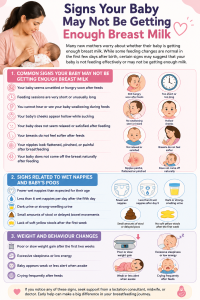
Many new mothers worry about whether their baby is getting enough breast milk. While some feeding changes are normal in the first few days after birth, certain signs may suggest that your baby is not feeding effectively or may not be getting enough milk.
Common Signs Your Baby May Not Be Getting Enough Breast Milk
- Your baby seems unsettled or hungry soon after feeds
- Feeding sessions are very short or unusually long
- You cannot hear or see your baby swallowing during feeds
- Your baby’s cheeks appear hollow while sucking
- Your baby does not seem relaxed or satisfied after feeding
- Your breasts do not feel softer after feeds
- Your nipples look flattened, pinched, or painful after breastfeeding
- Your baby does not come off the breast naturally after feeding
Signs Related to Wet Nappies and Baby’s Poos
- Fewer wet nappies than expected for their age
- Less than 6 wet nappies per day after the fifth day
- Dark urine or strong-smelling urine
- Small amounts of stool or delayed bowel movements
- Lack of soft yellow stools after the first week
Weight and Behaviour Changes
- Poor or slow weight gain after the first two weeks
- Excessive sleepiness or low energy
- Baby appears weak or less alert when awake
- Crying frequently after feeds
It is normal for newborn babies to lose some weight during the first few days after birth. However, if feeding difficulties continue or your baby is not gaining weight properly, medical advice should be sought early.
Best Foods That Naturally Support Healthy Milk Production
Certain foods and herbs, known as galactagogues, are traditionally used to support breast milk production. Research suggests that some mothers may notice improvements in milk supply when these foods are combined with frequent breastfeeding, proper hydration, and adequate rest. However, scientific evidence varies, and results may differ from person to person.
Fenugreek (Methi)
Fenugreek is one of the most commonly studied natural galactagogues and has the strongest research support among herbal remedies for breastfeeding.
What Research Says
Several studies reported that many breastfeeding mothers noticed increased milk production within a few days of using fenugreek. Research reviews found that fenugreek may help stimulate milk supply in some women, although results are not the same for everyone.
Common Ways to Use It
- Fenugreek tea
- Soaked fenugreek seeds
- Fenugreek powder in warm milk
- Added to curries and traditional foods
- Capsules or supplements
Possible Side Effects
Some mothers reported:
- Mild stomach upset
- Loose stools
- Maple syrup-like smell in sweat or urine
- Allergic reactions in sensitive individuals
Oatmeal (Oats)
Oatmeal is widely used by breastfeeding mothers because it is nutritious, easy to digest, and traditionally believed to support milk production.
What Research Says
Although scientific evidence is limited, many mothers in breastfeeding surveys reported feeling an improvement in milk supply after regularly consuming oats. Oats may also support maternal energy and iron levels during breastfeeding.
Common Ways to Use It
- Oatmeal porridge
- Overnight oats
- Lactation cookies
- Oats mixed with nuts and seeds
- Oat smoothies
Possible Side Effects
Oats are generally safe for most people. Excess intake may occasionally cause bloating in sensitive individuals.
Garlic
Garlic has traditionally been used in many cultures to support breastfeeding.
What Research Says
Some studies suggest that garlic may encourage babies to feed longer due to changes in breast milk flavour, which may indirectly help stimulate milk production through more frequent feeding.
Common Ways to Use It
- Garlic in curries and soups
- Garlic rasam
- Roasted garlic
- Garlic mixed with warm foods
Possible Side Effects
Large amounts may cause:
- Heartburn
- Digestive discomfort
- Strong odour in breast milk, which some babies may notice
Fennel Seeds
Fennel seeds are commonly used in traditional remedies for breastfeeding mothers.
What Research Says
Research suggests fennel contains plant compounds that may have mild estrogen-like effects, which could support milk production in some mothers. However, evidence is still limited.
Common Ways to Use It
- Fennel tea
- Fennel water
- Added to herbal drinks
- Used in traditional Indian recipes
Possible Side Effects
Excess consumption may occasionally cause:
- Allergic reactions
- Mild digestive upset
Herbal Products and Other Traditional Galactagogues
Some breastfeeding mothers also use herbal products and traditional galactagogues to support lactation.
Commonly Used Herbal Ingredients
- Shatavari
- Milk thistle
- Brewer’s yeast
- Flaxseed
- Herbal lactation teas
What Research Says
Studies show that some mothers feel these products help improve milk supply and breastfeeding confidence. However, research evidence is still limited for many herbal products, and results vary between individuals.
Common Forms
- Herbal teas
- Powders
- Capsules
- Lactation drinks
- Homemade traditional recipes
Herbal supplements are not always suitable for everyone. Breastfeeding mothers should use them carefully and seek medical advice if they have allergies, medical conditions, or take regular medications.
Important Reminder
Although foods such as fenugreek, oats, garlic, fennel, and other herbal galactagogues may help support breast milk production in some mothers, these foods alone cannot significantly increase milk supply without following proper breastfeeding practices. According to breastfeeding research and health organizations, the most important factors for maintaining healthy milk production are:
- Frequent breastfeeding or pumping
- Proper latch and positioning
- Regular breast emptying
- Feeding the baby on demand
- Good hydration and balanced nutrition
- Adequate rest and stress management
Natural foods and home remedies work best as supportive measures alongside these basic breastfeeding techniques, rather than as a replacement for them.
Natural Ways to Improve Breast Milk Supply at Home
Breast milk production usually improves with regular feeding, proper nutrition, hydration, and good breastfeeding practices. Many simple home-based methods can naturally support healthy milk production.
Breastfeeding Habits That Support Milk Supply
Feed Frequently
- Breastfeed your baby whenever they show signs of hunger
- Frequent feeding helps stimulate more milk production
- Allow your baby to feed for as long as needed
Offer Both Breasts
- Offer both breasts during each feeding session
- Alternate the breast you start with at each feed
Ensure Proper Latch and Positioning
- Correct attachment helps babies remove milk effectively
- Poor latch may reduce breast emptying and milk production
- Seek help from a breastfeeding specialist if needed
Express Milk After Feeding
- Expressing small amounts of milk after feeds may help increase supply once breastfeeding is established
Importance of Skin-to-Skin Contact
Holding your baby skin to skin may help:
- Stimulate hormones involved in milk production
- Improve milk let-down reflex
- Help mothers recognize early hunger signs
- Encourage more frequent breastfeeding
Hydration and Nutrition During Breastfeeding
Stay Hydrated
- Drink enough water and healthy fluids throughout the day
- Hydration supports overall maternal health during breastfeeding
Eat Nutritious Foods
A balanced diet may support energy levels and lactation. Common foods traditionally associated with milk production include:
- Fenugreek (methi)
- Oats
- Garlic
- Fennel seeds
- Green leafy vegetables
- Nuts and seeds
- Protein-rich foods
Rest and Stress Management
- Adequate rest may help support breastfeeding hormones
- Sleep deprivation and stress can interfere with milk let-down
Ask family members for support whenever possible
Natural remedies may help support breastfeeding, but regular breast emptying and frequent feeding remain the most effective ways to maintain milk supply.
Everyday Mistakes That May Affect Breast Milk Production
Certain daily habits and breastfeeding challenges may reduce breast milk supply over time. Identifying these early can help mothers maintain healthy milk production.
Common Mistakes That May Affect Milk Supply
Not Feeding Frequently Enough
- Infrequent breastfeeding reduces stimulation to produce milk
- Delaying feeds may gradually lower supply
Poor Latch or Positioning
- Incorrect attachment can prevent effective milk removal
- This may lead to reduced milk production and sore nipples
Introducing Formula Too Early
- Frequent formula feeding may reduce breastfeeding demand
- Less breastfeeding can signal the body to produce less milk
Using Bottles or Dummies Too Soon
- Early use of bottles or pacifiers may interfere with establishing breastfeeding in some babies
Ignoring Early Hunger Signs
Early hunger cues include:
- Moving hands toward the mouth
- Rooting
- Lip smacking
Waiting until the baby cries may make feeding more difficult.
Lifestyle Factors That May Affect Breast Milk Production
Stress and Anxiety
- Emotional stress may interfere with milk let-down hormones
Lack of Sleep
- Severe tiredness can affect feeding frequency and maternal wellbeing
Smoking and Alcohol
- Smoking and alcohol may interfere with healthy milk production
Poor Hydration and Nutrition
- Inadequate nutrition and low fluid intake may affect maternal energy levels
Medical and Physical Factors
Some situations may also affect milk production, including:
- Previous breast surgery
- Illness in mother or baby
- Premature birth requiring separation from the baby
- Certain medications
- Tongue-tie in the baby affecting feeding ability
Can Stress and Lack of Sleep Reduce Breast Milk Supply?
Sleeplessness and stress can reduce breast milk production indirectly. Lack of sleep increases stress hormones and fatigue, which may interfere with breastfeeding hormones such as prolactin and oxytocin. Tired mothers may also breastfeed less often, leading to reduced milk supply over time.
When to Seek Help from a Doctor or Lactation Consultant
This section is very important because WHO, CDC, and NHS all emphasize professional support.
Situations When Medical Help Is Needed
- Baby is not gaining enough weight
- Baby has fewer wet diapers
- Severe breast pain or nipple cracks
- Signs of dehydration in mother or baby
- Milk supply suddenly decreases
- Difficulty with baby latching
- Mother feels overwhelmed or depressed
You can mention lactation consultants help with:
- Correct latch positioning
- Feeding techniques
- Pumping guidance
- Milk supply assessment
A doctor or lactation consultant should be consulted if the baby is not gaining weight properly, feeding difficulties continue, or milk supply remains low despite regular breastfeeding. Early support can help prevent complications and improve breastfeeding success.
Frequently Asked Questions About Increasing Breast Milk Supply
How long does it take to increase breast milk supply naturally?
Most mothers may notice improvement within a few days to one week with frequent breastfeeding and prosper nutrition.
Which foods may help increase breast milk?
Fenugreek, oats, garlic, fennel, green leafy vegetables, and protein-rich foods are commonly used.
Does drinking more water increase breast milk?
Proper hydration supports breastfeeding, but excessive water alone does not automatically increase milk supply.
Can stress reduce breast milk supply?
Yes. High stress and lack of sleep may affect hormones involved in milk production and milk let-down.
Is formula feeding harmful to milk supply?
Frequent formula feeding may reduce breastfeeding demand, thereby lowering milk production over time.
Most mothers may notice improvement within a few days to one week with frequent breastfeeding and prosper nutrition.
Fenugreek, oats, garlic, fennel, green leafy vegetables, and protein-rich foods are commonly used.
Proper hydration supports breastfeeding, but excessive water alone does not automatically increase milk supply.
Yes. High stress and lack of sleep may affect hormones involved in milk production and milk let-down.
Frequent formula feeding may reduce breastfeeding demand, thereby lowering milk production over time.
Final Thoughts on Supporting a Healthy Breastfeeding Journey
Breastfeeding is a natural process, but many mothers may experience challenges with milk supply during the early weeks after childbirth. Research from organisations such as the WHO, CDC, and NHS shows that frequent breastfeeding, proper nutrition, hydration, rest, and emotional support are important for maintaining healthy milk production. While certain foods and home remedies may help support lactation, regular feeding and proper breastfeeding practices remain the most effective methods for increasing breast milk naturally. Seeking medical guidance when difficulties arise can help mothers continue a healthy and positive breastfeeding journey.