

Home » Baby Care » Baby Diarrhea: Causes, Symptoms, Treatment & When to Worry
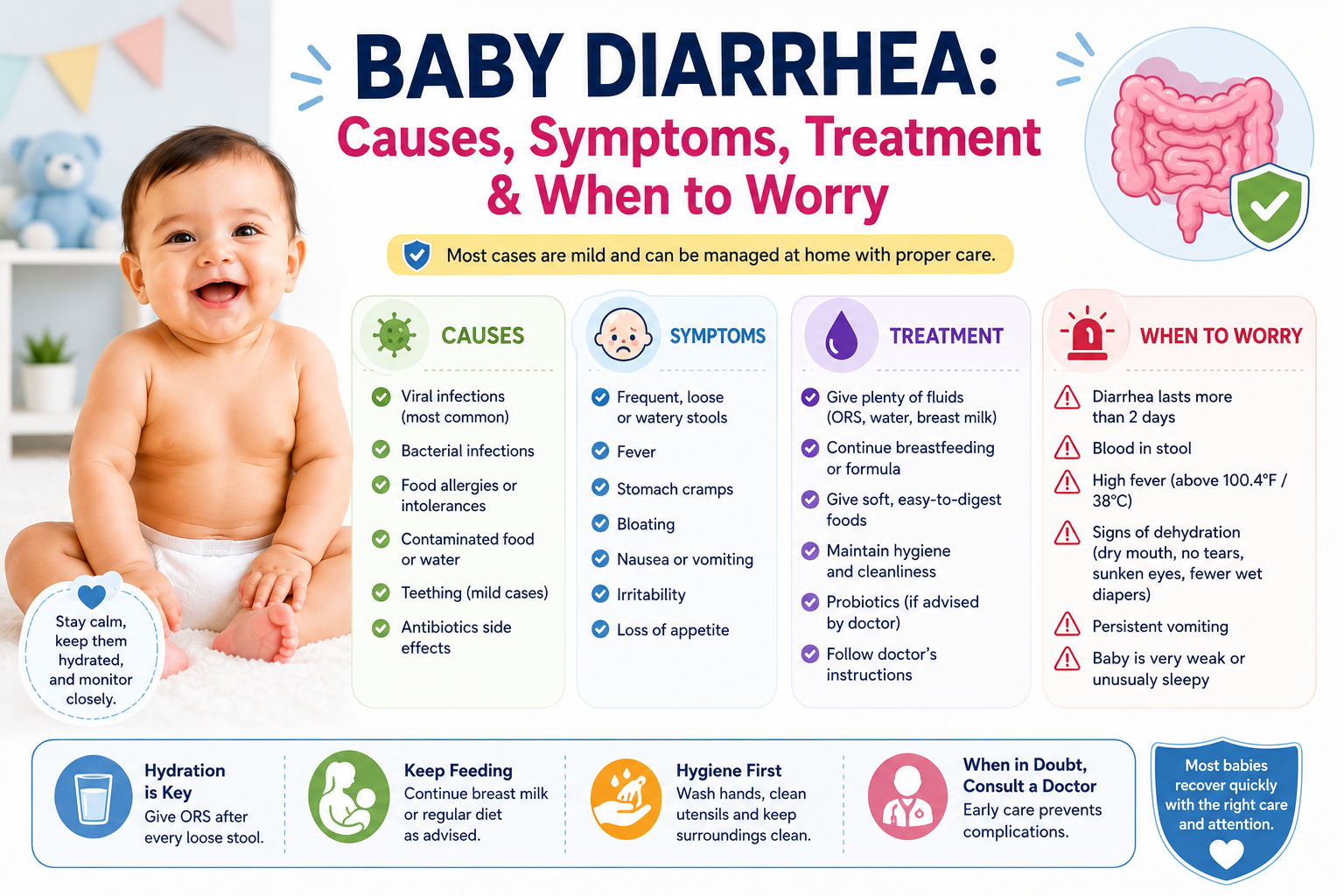
Baby diarrhea infographic showing watery baby poop, dehydration warning signs, treatment options, home care tips, and when parents should seek medical attention.

Baby Diarrhea: Causes, Symptoms, Treatment & When to Worry

Medical Note: Frequent watery stools accompanied by poor feeding, fever, vomiting, blood in the stool, or signs of dehydration should always be evaluated by a pediatrician.

Diarrhea is one of the most common digestive problems in babies and can be worrying for parents, especially when frequent loose stools lead to dehydration. While many cases of baby diarrhea are caused by mild viral infections and improve within a few days, some cases require prompt medical attention.

Babies naturally pass soft stools, particularly if they are breastfed. This can make it difficult for parents to distinguish between normal bowel movements and true diarrhea. Understanding the difference is essential because infants lose fluids much faster than adults and can become dehydrated quickly.

This comprehensive guide explains the causes, symptoms, diagnosis, treatment, prevention, and warning signs of baby diarrhea. It also discusses diarrhea in breastfed and formula-fed babies, diarrhea after introducing solid foods, and when to seek emergency medical care.

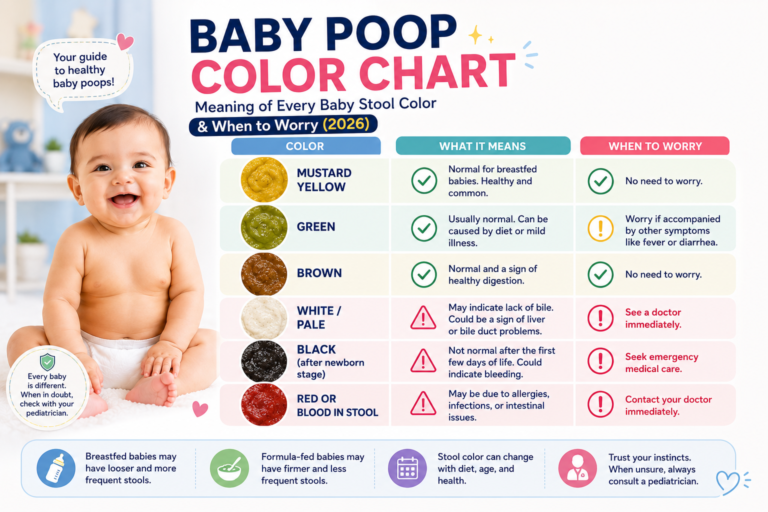
If you’re also concerned about stool color or mucus, explore our Baby Poop Color Chart, Mucus in Baby Poop, and Yellow Baby Poop guides for a complete understanding of your baby’s digestive health.

What Is Baby Diarrhea?

Baby diarrhea refers to frequent, loose, watery bowel movements that are different from your baby’s usual stool pattern.

Because babies—especially those who are exclusively breastfed—normally have soft stools, diarrhea is identified more by a sudden increase in frequency and wateriness than by consistency alone.

A baby with diarrhea may have:

  • Very watery stools
  • More frequent bowel movements than usual
  • Explosive stools
  • Increased diaper changes
  • Stool leaking out of the diaper
  • Signs of dehydration

Is Baby Diarrhea Normal?

Occasional loose stools are common, but persistent diarrhea is not considered normal.

Short-term diarrhea often results from:

  • Viral infections
  • Mild digestive upset
  • Temporary food intolerance

However, diarrhea lasting more than 24–48 hours in young infants, or accompanied by other concerning symptoms, should be assessed by a healthcare professional.

What Causes Baby Diarrhea?

Several conditions can cause diarrhea in babies.

1. Viral Gastroenteritis

Viruses are the most common cause of diarrhea in infants.

Common viruses include:

  • Rotavirus
  • Norovirus
  • Adenovirus
  • Astrovirus

Symptoms may include:

  • Loose stools
  • Vomiting
  • Fever
  • Reduced appetite
  • Mild dehydration

Most viral infections improve with hydration and supportive care.

2. Bacterial Infection

Bacterial infections are less common but may cause more severe illness.

Common bacteria include:

  • Salmonella
  • Campylobacter
  • Shigella
  • Escherichia coli (E. coli)

Babies may develop:

  • Bloody diarrhea
  • Fever
  • Severe abdominal discomfort
  • Vomiting

These infections require prompt medical evaluation.

3. Food Allergy

Cow’s Milk Protein Allergy (CMPA) is one of the leading causes of persistent diarrhea in infants.

Additional symptoms may include:

  • Blood or mucus in stool
  • Eczema
  • Vomiting
  • Excessive crying
  • Poor weight gain

Your pediatrician may recommend dietary changes or a hypoallergenic formula if CMPA is suspected.

4. Food Intolerance

Some babies develop diarrhea after introducing new foods.

Possible triggers include:

  • Fruit juices
  • Dairy products
  • Certain grains
  • Artificial sweeteners (older infants)

Introduce one new food every 3–5 days to help identify sensitivities.

5. Antibiotic-Associated Diarrhea

Antibiotics can disturb the normal balance of gut bacteria, resulting in temporary diarrhea.

Most cases improve after treatment is completed, but persistent diarrhea should be discussed with your pediatrician.

6. Parasitic Infection

Although uncommon in young infants, parasites such as Giardia may cause prolonged diarrhea, especially after contaminated food or water exposure.

7. Teething (A Common Myth)

Many parents believe teething causes diarrhea.

Current evidence suggests that teething itself does not directly cause diarrhea. However, babies often put objects in their mouths during teething, increasing exposure to viruses and bacteria that can lead to gastrointestinal infections.

8. Digestive Disorders

Rarely, persistent diarrhea may result from conditions such as:

  • Celiac disease
  • Inflammatory bowel disease
  • Cystic fibrosis
  • Malabsorption disorders
  • Congenital digestive disorders

These conditions require specialist evaluation.

Signs and Symptoms of Baby Diarrhea

Common symptoms include:

  • Frequent watery stools
  • Loose bowel movements
  • Explosive stools
  • Vomiting
  • Fever
  • Poor feeding
  • Fussiness
  • Increased diaper rash
  • Mucus in stool
  • Blood in stool (sometimes)

Parents should monitor both stool changes and their baby’s overall behavior.

Baby Diarrhea vs Normal Baby Poop

Normal Baby Poop Baby Diarrhea
Soft or seedy Very watery
Regular pattern Sudden increase in frequency
Mild odor Strong or foul odor
Baby feeds normally Poor feeding may occur
No dehydration Risk of dehydration

Baby Diarrhea in Breastfed Babies

Breastfed babies naturally pass soft, loose stools.

However, diarrhea may be suspected if:

  • Stool becomes much more watery
  • Frequency increases suddenly
  • Baby develops fever or vomiting
  • Baby becomes unusually sleepy or feeds poorly

Breastfeeding should continue during diarrhea, as breast milk helps provide fluids, nutrients, and protective antibodies.

Baby Diarrhea in Formula-Fed Babies

Formula-fed babies generally have firmer stools.

Possible causes of diarrhea include:

  • Viral infection
  • Formula intolerance
  • Cow’s Milk Protein Allergy
  • Incorrect formula preparation
  • Bacterial infection

Always prepare formula according to the manufacturer’s instructions to reduce the risk of digestive problems.

Baby Diarrhea After Starting Solids

Introducing complementary foods changes stool consistency.

Temporary loose stools may occur after introducing:

  • Fruit purees
  • Pears
  • Prunes
  • Peaches
  • High-fiber foods

Introduce foods gradually and avoid offering multiple new foods at the same time.

What Does Diarrhea Look Like?

Diarrhea may appear:

  • Watery
  • Explosive
  • Green
  • Yellow
  • Brown
  • Containing mucus
  • Occasionally streaked with blood

Changes in color alone do not always indicate serious illness. It’s important to consider accompanying symptoms such as fever, vomiting, or dehydration.
How Is Baby Diarrhea Diagnosed?

Most cases of baby diarrhea can be diagnosed through a physical examination and a review of your baby’s symptoms. Your pediatrician will ask about:

  • When the diarrhea started
  • Number of loose stools per day
  • Stool color and consistency
  • Presence of blood or mucus
  • Vomiting or fever
  • Feeding pattern
  • Urine output
  • Recent travel or sick contacts
  • Recent antibiotic use

If diarrhea is severe, prolonged, or associated with dehydration, your doctor may recommend:

  • Stool examination
  • Stool culture
  • Blood tests
  • Electrolyte tests
  • Allergy testing (if Cow’s Milk Protein Allergy is suspected)
  • Referral to a pediatric gastroenterologist in persistent cases

According to the American Academy of Pediatrics (HealthyChildren.org) and the NHS, stool tests are generally reserved for babies with severe diarrhea, blood in the stool, or symptoms lasting longer than expected.

See also  Kids Toothpaste: How to Choose the Best Toothpaste for Your Child's Healthy Smile

Treatment for Baby Diarrhea

Treatment depends on the underlying cause. The primary goal is to prevent dehydration while supporting your baby’s recovery.

1. Continue Breastfeeding

Breast milk remains the best source of nutrition and hydration during diarrhea.

Benefits include:

  • Fluids to prevent dehydration
  • Easily digestible nutrients
  • Protective antibodies
  • Faster recovery

Feed your baby as often as they are willing to nurse.

2. Continue Formula Feeding

Formula-fed babies should usually continue their regular formula unless advised otherwise by their pediatrician.

Do not dilute formula, as this can reduce nutrient intake.

If Cow’s Milk Protein Allergy or lactose intolerance is suspected, your doctor may recommend a specialized formula.

3. Oral Rehydration Solution (ORS)

For babies with mild to moderate dehydration, your pediatrician may recommend an oral rehydration solution (ORS).

ORS helps replace:

  • Water
  • Sodium
  • Potassium
  • Glucose
  • Essential electrolytes

Offer small, frequent sips according to your healthcare provider’s instructions.

4. Treat the Underlying Cause

Depending on the diagnosis, treatment may include:

  • Supportive care for viral infections
  • Antibiotics (only for specific bacterial infections)
  • Dietary changes for food allergies
  • Hypoallergenic formula for CMPA
  • Antiparasitic medication when needed

Never give antibiotics or anti-diarrheal medicines without medical advice.

Home Care Tips

Most babies recover from mild diarrhea within a few days with proper home care.

Continue Feeding

Continue:

  • Breastfeeding
  • Formula feeding
  • Age-appropriate solid foods (if already introduced)

Avoid stopping feeds unless directed by your pediatrician.

Keep Your Baby Hydrated

Offer feeds more frequently.

Monitor wet diapers closely.

Young babies can become dehydrated quickly.

Protect the Diaper Area

Frequent diarrhea may lead to diaper rash.

To protect your baby’s skin:

  • Change diapers promptly
  • Clean gently with warm water
  • Pat dry instead of rubbing
  • Apply a barrier cream containing zinc oxide

You may also find our Baby Diaper Rash guide helpful if redness or irritation develops.

Monitor Symptoms

Observe:

  • Stool frequency
  • Stool color
  • Blood or mucus
  • Feeding
  • Urine output
  • Activity level
  • Fever

If symptoms worsen, contact your pediatrician promptly.

Foods to Give During Diarrhea

For babies already eating solids, offer easily digestible foods such as:

  • Rice cereal
  • Mashed banana
  • Applesauce
  • Plain yogurt (if age-appropriate and tolerated)
  • Oatmeal
  • Mashed potatoes
  • Well-cooked carrots

Always continue breast milk or formula as the primary source of nutrition for younger infants.

Foods to Avoid

During diarrhea, avoid:

  • Sugary drinks
  • Fruit juices
  • Soft drinks
  • Fried foods
  • Highly processed snacks
  • Spicy foods
  • Excess sweets

These foods may worsen diarrhea or increase fluid loss.

Are Probiotics Helpful?

Some studies suggest that certain probiotic strains may slightly reduce the duration of viral diarrhea in children.

However:

  • Not every probiotic is effective.
  • Some babies should not receive probiotics, especially if they are immunocompromised or seriously ill.

Always consult your pediatrician before giving probiotic supplements.

Signs of Dehydration

Dehydration is the most important complication of baby diarrhea.

Watch for:

  • Dry mouth
  • No tears when crying
  • Fewer wet diapers
  • Sunken eyes
  • Sunken soft spot (fontanelle)
  • Extreme sleepiness
  • Irritability
  • Cool hands and feet
  • Rapid breathing

Seek immediate medical care if dehydration develops.

Can Baby Diarrhea Be Prevented?

While not all cases are preventable, you can reduce the risk by:

  • Washing hands before feeding
  • Sterilizing bottles and feeding equipment
  • Preparing formula safely
  • Using clean drinking water
  • Keeping vaccinations up to date (including rotavirus vaccination where recommended)
  • Introducing solids gradually
  • Avoiding spoiled food

Good hygiene remains one of the most effective ways to prevent infectious diarrhea.

Baby Diarrhea vs Dysentery

Baby Diarrhea Dysentery
Loose watery stools Diarrhea with blood and mucus
Often viral Usually bacterial or parasitic
Mild to moderate dehydration Higher risk of severe illness
May resolve with supportive care Requires prompt medical evaluation

Baby Diarrhea vs Food Intolerance

Baby Diarrhea Food Intolerance
Often due to infection Triggered by specific foods
May include fever Fever usually absent
Temporary illness Symptoms recur after eating trigger foods
Vomiting may occur Bloating and gas are more common

When Should You See a Doctor?

Arrange a pediatric consultation if your baby has:

  • Diarrhea lasting longer than 24–48 hours (especially in young infants)
  • Blood in the stool
  • Persistent mucus
  • Fever
  • Vomiting
  • Poor feeding
  • Signs of dehydration
  • Severe diaper rash
  • Weight loss
  • Fewer wet diapers than usual

Emergency Warning Signs

Go to the nearest emergency department immediately if your baby:

  • Has severe dehydration
  • Refuses all feeds
  • Is difficult to wake
  • Passes large amounts of blood in the stool
  • Has persistent vomiting
  • Has a swollen abdomen
  • Has seizures
  • Has breathing difficulty
  • Has a high fever, particularly if under 3 months old

These symptoms require urgent medical evaluation.

Conclusion

Baby diarrhea is common, but it should never be dismissed—especially in infants, who can lose fluids quickly. Most cases are caused by viral infections and improve with continued feeding, hydration, and supportive care. However, diarrhea accompanied by blood, persistent vomiting, high fever, severe dehydration, or poor feeding requires prompt medical attention.

Continue breastfeeding or formula feeding, monitor your baby’s hydration closely, and avoid giving over-the-counter anti-diarrheal medicines unless specifically advised by your pediatrician.

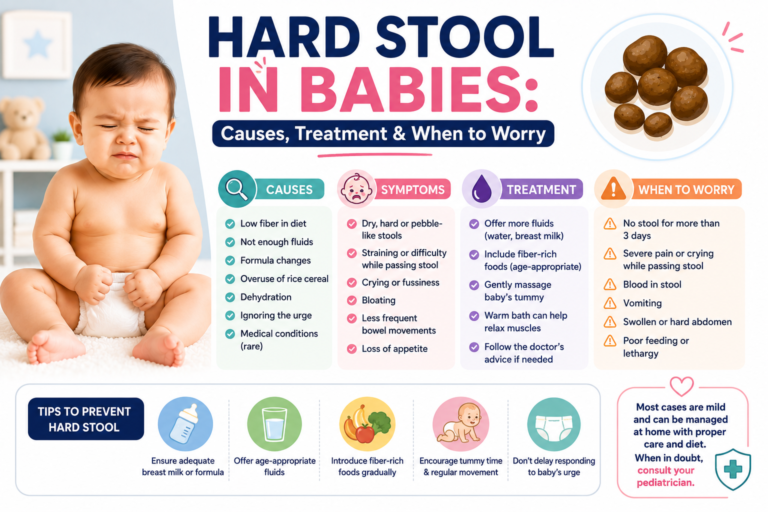
If you’re unsure whether your baby’s stool is normal, explore our related guides on Baby Poop Color Chart, Yellow Baby Poop, Mucus in Baby Poop, White Baby Poop, and Baby Constipation to better understand changes in your baby’s digestive health.

Frequently Asked Questions (FAQs)

Is diarrhea common in babies?

Yes. Viral infections are the most common cause, and many babies recover within a few days with supportive care.

How can I tell if my baby has diarrhea?

Look for stools that are much more watery and frequent than your baby’s usual bowel movements.

Should I stop breastfeeding if my baby has diarrhea?

No. Continue breastfeeding unless your pediatrician advises otherwise. Breast milk helps prevent dehydration and supports recovery.

Can formula-fed babies continue their regular formula?

In most cases, yes. Only change formula if your pediatrician recommends it.

What is the biggest risk of baby diarrhea?

The greatest concern is dehydration, which can develop quickly in infants.

Can teething cause diarrhea?

Teething does not directly cause diarrhea, although babies may be exposed to more germs because they put objects in their mouths.

Is green diarrhea normal?

Green diarrhea can occur during viral infections or because of rapid intestinal transit. If it is persistent or accompanied by other symptoms, seek medical advice.

Can diarrhea cause diaper rash?

Yes. Frequent watery stools can irritate the skin and lead to diaper rash.

Are probiotics safe for babies?

Some probiotics may help, but they should only be used after discussing them with your pediatrician.

When should I take my baby to the doctor?

If diarrhea lasts more than 24–48 hours, or if your baby develops fever, blood in the stool, vomiting, dehydration, or poor feeding.

Can antibiotics treat baby diarrhea?

Only if a bacterial infection is confirmed or strongly suspected. Antibiotics are not effective against viral diarrhea.

What foods should I avoid during diarrhea?

Avoid sugary drinks, fruit juices, fried foods, highly processed snacks, and spicy foods.

How can I prevent diarrhea in my baby?

Practice good hand hygiene, sterilize feeding equipment, prepare formula safely, and keep vaccinations up to date.

Can diarrhea change my baby’s poop color?

Yes. Diarrhea may cause yellow, green, or brown watery stools. Color should be interpreted along with your baby’s symptoms.

Does every baby with diarrhea need hospital care?

No. Many babies recover at home with adequate fluids and close monitoring. Hospital care is needed for severe dehydration, persistent vomiting, or other emergency warning signs.

More Reading

Post navigation

Subscribe
Notify of
guest

0 Comments
Oldest
Newest Most Voted
0
Would love your thoughts, please comment.x
()
x