

Edited by: MomSaathi Editorial Team
Reviewed by: Child development specialists and evidence-based pediatric research
In today’s digital world, screens are everywhere — from smartphones and tablets to TVs and laptops. For parents of toddlers, this raises a constant question: Are screens harmful, or can they actually help?
The answer isn’t black and white.
For children between 18 months and 3 years, screens are not automatically bad. What truly matters is how, when, and why screens are used. The difference between passive watching and meaningful engagement can shape your child’s learning, sleep, and overall development.
This guide breaks down everything parents need to know — from age-wise recommendations to practical daily routines — so you can make informed, guilt-free decisions.
Understanding Toddler Brain Development
Between 18 months and 3 years, a child’s brain develops faster than at almost any other time in life. During this stage, toddlers learn primarily through:
- Real-life interactions
- Sensory experiences (touch, movement, sound)
- Conversations with caregivers
- Play-based exploration
Screens, by nature, are two-dimensional, while the real world is three-dimensional. This creates a learning gap.
A toddler watching something on screen may see a ball, but without guidance, they may not connect it to the ball they play with in real life.
That’s why adult involvement is essential.
Screen Time Guidelines for Toddlers (18 Months to 3 Years)
18 to 24 Months: Careful Introduction
At this stage, it’s best to either avoid screens or introduce them very thoughtfully.
If you do choose to introduce screens:
- Stick to high-quality, slow-paced content
- Always watch together
- Talk about what’s happening on the screen
For example:
“Look, that’s a dog! Just like the dog we saw in the park.”
Without this interaction, toddlers gain very little from screen exposure.
2 to 3 Years: Limited and Structured Use
For children aged 2 to 3 years, screen time can be included in moderation.
Recommended limit:
- Up to 1 hour per day
- Focus on educational and age-appropriate content
Even at this stage, co-viewing is strongly encouraged.
Screens should never replace playtime, sleep, or family interaction, as these are critical for brain development.
Why Passive Screen Time Isn’t Effective
Many parents assume that educational videos automatically teach children. However, research and observation show that:
- Passive watching leads to minimal learning
- Toddlers struggle to apply what they see to real-life situations
- Language development suffers without human interaction
The biggest concern isn’t just the screen — it’s what the screen is replacing.
Too much screen time can take away from:
- Active play
- Sleep quality
- Parent-child conversations
These three factors are the foundation of early brain growth.
When Screens Can Actually Help Learning
Not all screen time is equal. When used correctly, screens can support development.
1. Co-Viewing (Most Important)
This is the single most effective way to make screen time beneficial.
Instead of using screens as a babysitter, sit with your child and:
- Talk about what you’re watching
- Ask simple questions
- Relate it to real-life experiences
Example:
“That’s a red ball. You have a red ball too! Where is it?”
This helps toddlers connect digital content with their physical world.
2. Video Calls with Family
Unlike regular screen content, video chatting is interactive.
Platforms like FaceTime or other video call apps allow toddlers to:
- Hear familiar voices
- Respond in real-time
- Build emotional connections
This type of interaction actually supports:
- Language development
- Social bonding
- Emotional security
So yes, talking to grandparents on video calls is not “bad screen time” — it’s meaningful engagement.
How to Manage Toddler Screen Time in Daily Life
Managing toddler screen time doesn’t have to be stressful. With a few simple strategies, it can become a healthy part of your routine.
1. Create a Predictable Routine
Children thrive on structure.
Instead of random screen exposure, set a fixed schedule:
- “After lunch, we watch for 20 minutes.”
- “Then we go to the park.”
This predictability reduces tantrums and power struggles.
2. Avoid Screens During Meals
Mealtime should be about:
- Family bonding
- Conversation
- Mindful eating
Screens during meals can lead to:
- Overeating
- Reduced attention span
- Poor communication habits
3. No Screens Before Bedtime
Avoid screens at least 1 hour before sleep.
Why?
- Blue light affects melatonin (a sleep hormone)
- Fast-paced visuals overstimulate the brain
- It becomes harder for toddlers to wind down
Instead, switch to calming activities like:
- Reading books
- Storytelling
- Quiet play
4. Choose Quality Over Quantity
Not all content is created equal.
Look for programs that are:
- Slow-paced
- Interactive
- Language-rich
- Age-appropriate
Avoid:
- Fast-cut cartoons
- Loud, overstimulating visuals
- Content with no clear learning value
5. Use Screens as a Tool, Not a Habit
Screens should serve a purpose — not fill every gap in the day.
Use them:
- During specific planned times
- For educational or social purposes
- As a shared activity
Avoid using screens as the default solution for:
- Boredom
- Tantrums
- Busy moments
Signs Your Toddler May Be Getting Too Much Screen Time
It’s important to observe your child’s behavior.
Watch out for:
- Increased irritability
- Difficulty focusing
- Delayed speech development
- Poor sleep patterns
- Reduced interest in toys or outdoor play
If you notice these signs, consider reducing screen exposure and increasing interactive activities.
Healthy Alternatives to Screen Time
If you’re trying to reduce screen use, here are some simple alternatives:
- Free play with toys
- Outdoor activities (park, walks)
- Reading picture books
- Music and dance
- Pretend play
- Simple art activities
These activities promote:
- Creativity
- Motor skills
- Language development
- Emotional bonding
Balancing Modern Parenting with Realistic Expectations
Let’s be honest — completely avoiding screens is unrealistic for most families today.
Parents juggle:
- Work
- Household responsibilities
- Personal time
Screens can be helpful when used mindfully.
The goal isn’t perfection. It’s a balance.
If your child watches a show while you finish a task, that’s okay — as long as it doesn’t become the primary form of engagement.
The Role of Parents: What Matters Most
At the end of the day, toddlers learn best from people, not screens.
The most valuable experiences come from:
- Talking
- Playing
- Laughing
- Cuddling
- Exploring together
Even when screens are involved, your presence makes all the difference.
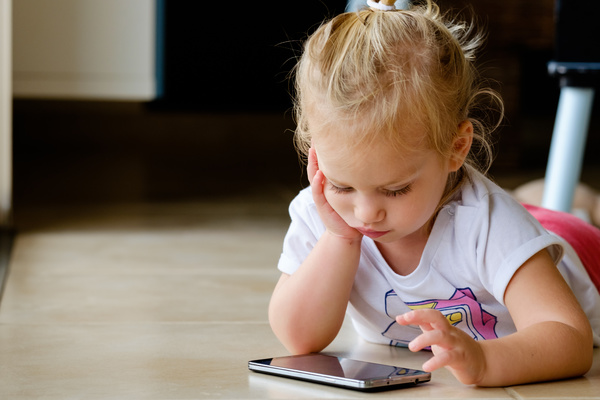
A child sitting alone in front of a screen learns very little.
A child watching with a parent learns through connection.
Final Thoughts on Screen Time for Toddlers
Screens are a part of modern life, and they aren’t going away.
For toddlers aged 18 months to 3 years, the focus should not be on eliminating screens, but on using them wisely.
Remember:
- Keep screen time limited and structured
- Always prioritize real-world interaction
- Choose high-quality content
- Engage with your child during screen use
Because ultimately, it’s not the screen that teaches your child —
It’s the love, conversation, and connection you bring around it.
🌸 Trusted Parenting Resources
Explore expert-backed guidance to support your toddler’s healthy screen habits and overall development.
Frequently Asked Questions (FAQ) on Screen Time for Toddlers (18-24 Months & 2-3 Years)
What is the recommended screen time for toddlers aged 18-24 months?
Screens should be avoided as much as possible. If you do introduce them, use only high-quality, slow-paced, educational content. Always watch together (co-viewing) and talk about what’s happening on the screen to help your child connect it to the real world. Example: “Look, that’s a dog! Just like the one we saw in the park.”
What is the recommended screen time for toddlers aged 2-3 years?
Limit screen time to no more than 1 hour per day. Focus only on high-quality, age-appropriate, educational content. Co-viewing with a parent or caregiver is strongly recommended so your child can learn better and stay engaged.
Why is screen time limited for toddlers in this age group?
Toddlers’ brains grow fastest through real-life interactions, sensory play, conversations, and physical movement. Screens replace these essential activities. Without adult guidance, toddlers often struggle to connect 2D screen images to the real 3D world, leading to less effective learning.
What are the risks of too much screen time for 18-24 month and 2-3 year olds?
- Delayed speech and language development
- Increased irritability and tantrums
- Difficulty focusing and paying attention
- Poor sleep (blue light affects melatonin)
- Reduced interest in toys, outdoor play, or real-world exploration
- Overeating if screens are used during meals
Fast-paced cartoons can overstimulate their developing brain, making it harder to calm down.
What are the benefits of following these screen-time guidelines?
- Stronger brain development through real-life play and parent-child bonding
- Better language skills and emotional security
- Healthier sleep patterns and more physical activity
- Fewer tantrums and power struggles when routines are predictable
When screens are used thoughtfully with co-viewing, they can actually support learning (especially video calls with family).
What kind of content is considered “good” screen time?
- Slow-paced, language-rich, and educational (no fast-cut cartoons or loud videos)
- Interactive or story-based shows that encourage talking
- Video calls with grandparents or family (these are excellent for social bonding)
Always co-view and relate the content to your child’s real life.
How can parents practically reduce and manage screen time?
- Create a predictable daily routine (e.g., “After lunch we watch for 20 minutes, then we go to the park”)
- No screens 1 hour before bedtime
- Never use screens during meals — use that time for family conversation
- Avoid screens when your child is bored, throwing a tantrum, or you’re busy — plan ahead with alternative activities
- Set clear family rules and stick to them
What are healthy alternatives to screen time?
- Free play with toys
- Outdoor time (park walks, running, exploring nature)
- Reading picture books together
- Music, singing, and dancing
- Pretend play and simple art/craft activities
These build creativity, motor skills, language, and strong parent-child bonds.
What do experts say about screen time for toddlers? (AAP, WHO, etc.)
The article follows guidelines from the American Academy of Pediatrics (AAP) and World Health Organization (WHO). They emphasize minimal or no screen time under 2 years, maximum 1 hour of high-quality co-viewed content for 2–3 years, and always prioritizing real-life interactions, play, and sleep.
Is it okay to use screens sometimes in modern parenting?
Yes! Completely avoiding screens is unrealistic for many families. The key is mindful, purposeful use — not as a habit or babysitter. Focus on quality over quantity, co-viewing, and balancing with plenty of real-world play, sleep, and love. It’s the conversations and connection around the screen that matter most.

[…] Here are 25 practical and cute styles suitable for Indian toddlers: […]