
Edited by: MomSaathi Editorial Team
Reviewed by: Based on evidence-based pregnancy and preconception care guidelines
The first trimester is an exciting yet often overwhelming time. From the moment you see that positive pregnancy test, your body begins a dramatic transformation to support your growing baby. For many women, first trimester symptoms can appear quickly and range from mild annoyances to challenges that disrupt daily life. Understanding these changes helps you feel more prepared, less anxious, and better equipped to care for yourself and your little one.
This guide covers everything you need to know about first trimester symptoms — what’s normal, why they happen, how long they last, and practical ways to find relief. Every pregnancy is unique, so what one person experiences intensely, another might barely notice. Let’s walk through this journey together.
What Is the First Trimester?
The first trimester spans from week 1 (the first day of your last menstrual period) through week 12 or 13 of pregnancy. During these early weeks, your baby develops from a tiny cluster of cells into a fetus with major organs, a beating heart, and tiny limbs forming.
Meanwhile, your body ramps up hormone production — primarily human chorionic gonadotropin (hCG), progesterone, and estrogen — to support this rapid growth. These hormonal shifts drive most first trimester symptoms. Blood volume increases, your metabolism changes, and your immune system adjusts. It’s intense work, which is why many women feel exhausted or queasy.
When Do First Trimester Symptoms Start?
First trimester symptoms often begin subtly around 4–6 weeks, though some women notice signs as early as a week or two after conception. A missed period is frequently the first clue. Nausea (morning sickness) commonly kicks in between weeks 4–9, while fatigue and breast tenderness can appear even earlier.
By weeks 8–12, many symptoms peak before starting to ease for most women as they enter the second trimester. However, some symptoms linger, and a small percentage of pregnancies involve symptoms throughout. If you have no first trimester symptoms at all, that can also be perfectly normal — plenty of healthy pregnancies progress quietly.
Common First Trimester Symptoms: What You Might Experience

Here’s a clear breakdown of the most reported first trimester symptoms, why they occur, and how to manage them.
1. Missed Period and Early Bleeding/Spotting
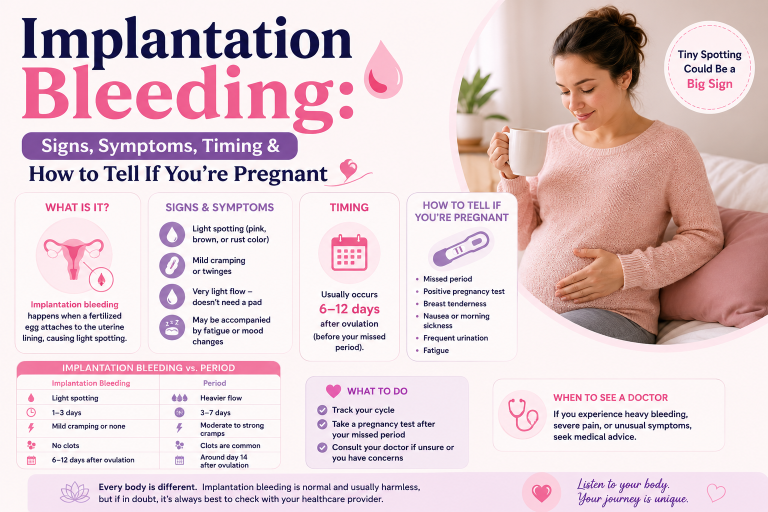
A missed period is often the earliest sign. Light spotting (implantation bleeding) can occur around 6–12 days after conception. It’s usually lighter in colour and shorter than a normal period.
Relief/Tips: Confirm pregnancy with a home test or blood test. Any bleeding heavier than spotting or accompanied by pain warrants an immediate call to your doctor.
2. Nausea and Vomiting (Morning Sickness)
Up to 70–85% of pregnant women experience nausea, often with or without vomiting. It can strike at any time of day and typically starts around week 6.
Why it happens: Rising hCG and estrogen levels, heightened sense of smell, and slower digestion all play a role.
Practical Relief Strategies:
- Eat small, frequent meals — never let your stomach get completely empty.
- Try ginger tea, lemon water, or acupressure wristbands.
- Stay hydrated with small sips throughout the day.
- Severe cases (such as hyperemesis gravidarum) require medical help — don’t hesitate to reach out.
3. Extreme Fatigue
Progesterone acts like a natural sedative, and your body is working overtime to build the placenta and support the baby.
Tips for Coping:
- Nap when you can and prioritise 7–9 hours of sleep at night.
- Eat balanced snacks with protein and complex carbs.
- Gentle movement like short walks can actually boost energy.
4. Breast Tenderness and Changes
Breasts may become sore, swollen, or tingly; nipples can darken and become more sensitive.
Management: Wear a supportive, soft bra (maternity or sleep bras work well) and use gentle moisturisers if skin feels tight or dry.
5. Frequent Urination
Increased blood flow and hormones make your kidneys work harder, leading to more bathroom trips — even at night.
Tips: Stay hydrated but reduce fluids close to bedtime. Practise Kegel exercises to strengthen your pelvic floor.
6. Mood Swings and Emotional Changes
Hormones, fatigue, and the emotional reality of pregnancy can trigger big feelings — from tears to irritability to sudden joy.
Support Strategies: Talk openly with loved ones, practise mindfulness or short meditations, and prioritise rest.
7. Food Cravings, Aversions, and Metallic Taste
Smells and tastes can change dramatically. Many women experience a metallic taste in the mouth.
Handling It: Eat whatever you can keep down and focus on staying hydrated and taking your prenatal vitamins.
8. Other Common First Trimester Symptoms
- Constipation: Progesterone slows digestion — increase fibre, water, and gentle movement.
- Headaches: Often caused by hormones or dehydration.
- Mild cramping, heartburn, and bloating: Usually manageable with smaller meals and lifestyle adjustments.
First Trimester Symptoms Week by Week (Quick Overview)
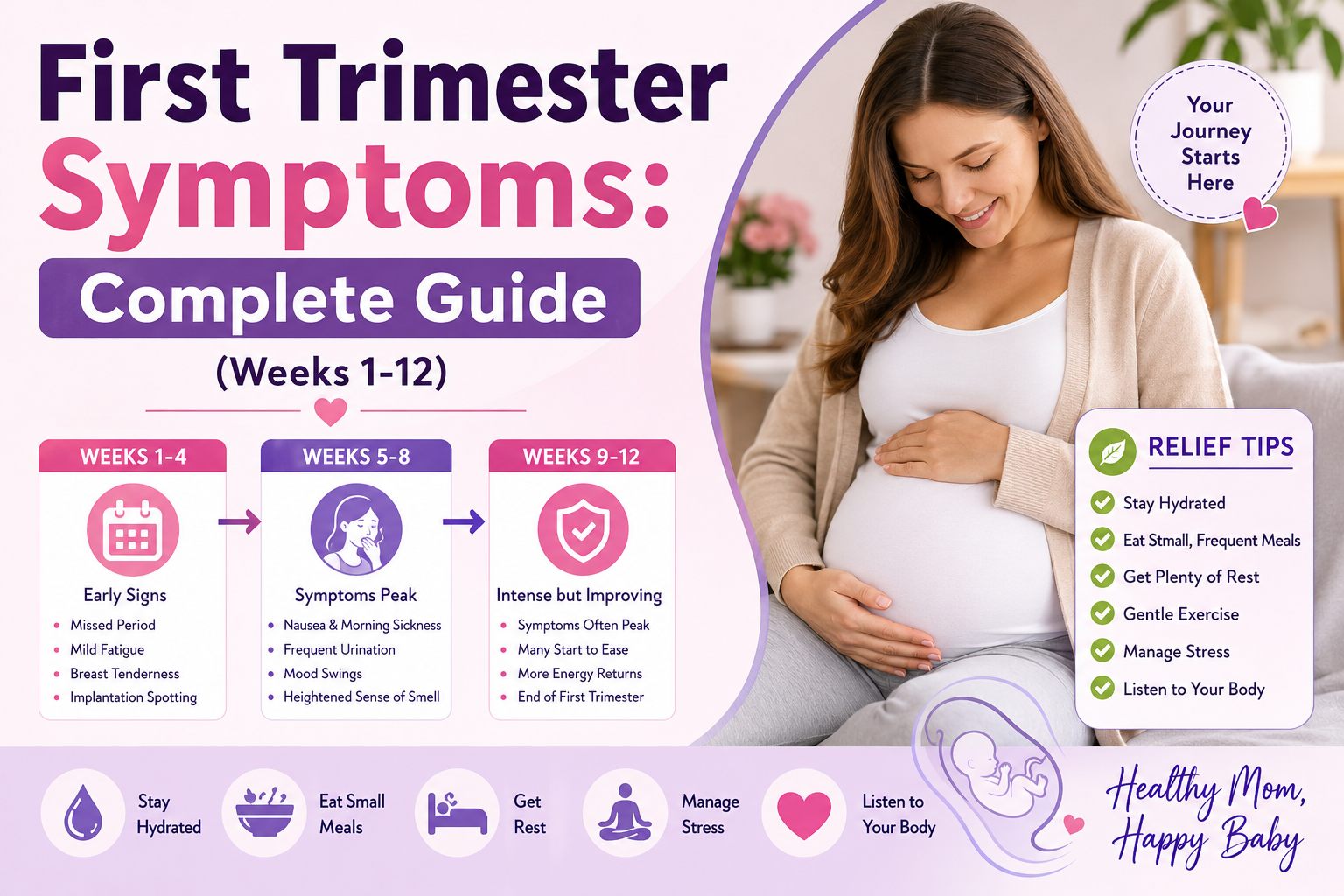
- Weeks 1–4: Missed period, mild fatigue, breast tenderness, possible implantation spotting.
- Weeks 5–8: Nausea peaks, frequent urination, mood swings, heightened sense of smell.
- Weeks 9–12: Symptoms often reach their most intense point but many start to ease toward the end of the trimester.
When to Worry: Red Flags in the First Trimester
Contact your doctor immediately if you experience:
- Severe abdominal pain or cramping
- Heavy bleeding (soaking a pad in an hour)
- Persistent vomiting that prevents keeping fluids down
- Dizziness, fainting, or severe headaches
- Signs of infection (fever, painful urination)
Trust your instincts — it’s always better to check than worry.
Managing First Trimester Symptoms: Lifestyle Tips
- Eat small, nutrient-dense meals every 2–3 hours.
- Stay active with gentle exercise (walking, prenatal yoga, swimming).
- Rest when your body asks for it.
- Build a strong support network and attend early prenatal care appointments.
The Emotional Side of Early Pregnancy
Many women feel a mix of joy, fear, excitement, and uncertainty. Be kind to yourself. This is a big life change, and it’s okay to feel overwhelmed. Reach out for emotional support when needed.
Looking Ahead: The Light at the End of the First Trimester
By weeks 12–14, most women start feeling significantly better. Nausea often fades, energy begins to return, and the constant exhaustion lifts. This challenging but temporary phase leads to the more comfortable second trimester and, eventually, meeting your baby.
Helpful External Resources
- Mayo Clinic – 1st Trimester Pregnancy: What to Expect
Read Full Article → - Cleveland Clinic – Early Pregnancy Symptoms
Read Full Article → - ACOG – Morning Sickness (Nausea and Vomiting of Pregnancy)
Read Full Article → - NHS (UK) – Signs and Symptoms of Pregnancy
Read Full Article → - ACOG – Pregnancy During
Read Full Article →
Always consult your healthcare provider for personalized medical advice.
FAQs About First Trimester Symptoms
What are the earliest first trimester symptoms?
The very first signs are often a missed period, mild fatigue, and breast tenderness. Some women notice implantation spotting or a metallic taste as early as 4 weeks. A positive pregnancy test is the best confirmation.
Is it normal to have no first trimester symptoms at all?
Yes, completely normal. Some women experience very few or no noticeable symptoms. As long as your prenatal check-ups and ultrasounds are normal, this is usually a positive sign.
How long do first trimester symptoms typically last?
Most symptoms peak between weeks 6–12 and improve by weeks 13–16. Nausea and fatigue are often the last to disappear.
Can first trimester symptoms tell me if I’m having twins or the baby’s gender?
More severe symptoms can sometimes be linked to higher hCG levels (possible with twins), but they are not reliable. Gender cannot be determined from symptoms.
What foods help with first trimester symptoms like nausea?
Bland, cold foods work best: crackers, toast, bananas, applesauce, rice, and plain pasta. Ginger, lemon, and peppermint are helpful natural remedies.
When should I call my doctor about first trimester symptoms?
Call right away for heavy bleeding, severe pain, dizziness, vomiting that keeps fluids down, or any concerns. Better safe than sorry.
Are there safe ways to relieve headaches or constipation?
Stay hydrated, eat high-fibre foods, move gently, and rest in a dark room for headaches. Always check with your doctor before taking any medication.
Do first trimester symptoms get better in the second trimester?
Yes, for most women. Many describe the second trimester as the “honeymoon phase” where nausea decreases and energy returns.
Can exercise help or worsen first trimester symptoms?
Gentle exercise usually helps reduce fatigue, improve mood, and ease constipation. Listen to your body and avoid high-intensity workouts.
How can my partner or family support me?
Ask for specific help — bringing snacks, handling chores, or simply listening. Clear communication makes a big difference.