

Edited by: MomSaathi Editorial Team
Reviewed by: Based on family bonding research and screen-free activity insights
As a Desi mom raising kids in the USA, you know the challenge: blending vibrant Indian cultural roots with the fast-paced American life, all while screens compete for attention. In 2026, parents are pushing back — creating screen-free family traditions that foster connection, nostalgia, and joy. According to Pinterest’s Parenting Trend Report 2026, searches for family tradition ideas surged +200% year-over-year, alongside screen-free activities (+200%), no phone summer (+340%), and digital detox aesthetic (+95%). Families want analog childhood activities and intentional family routines in 2026 that create lasting memories, not endless scrolling.
This trend toward offline family bonding ideas is perfect for Desi family traditions in the USA — think storytelling from mythology, festival rituals, kitchen togetherness, and simple home games that pass down values like respect, gratitude, and togetherness. These traditions strengthen cultural identity, reduce screen reliance, and build emotional security for kids navigating bilingual homes, school pressures, and peer influences.
Here are 25+ screen-free family traditions ideas (easy to start, low-cost) tailored for Indian-American families. Pick one or two to make your own!
Why Screen-Free Family Traditions Matter in 2026
- Creates “experience-rich” childhoods parents crave.
- Boosts emotional connection and resilience.
- Reinforces Desi values (family unity, gratitude, creativity) in a US context.
- Reduces overstimulation — kids remember stories and laughter more than videos.
Start small: Choose one weekly ritual. Consistency turns it into a cherished memory.
Daily & Weekly Intentional Family Routines 2026
- Evening Storytelling Circle — Gather after dinner for Panchatantra, Akbar-Birbal, or family stories. The alternative who tells — builds listening and imagination.
- Gratitude Sharing at Dinner — Everyone shares one thankful thing (no phones on the table). Desi twist: End with “Shukriya” or a simple prayer.
- Weekly Family Walk — Neighborhood stroll with no devices — talk, notice nature, hold hands.
- Sunday Morning Chai Ritual — Brew chai together, share plans — cozy, screen-free start.
- Bedtime Lullaby Rotation — Sing Hindi/English lullabies or “Soja beta” — emotional bonding.
Festival & Seasonal Desi Family Traditions USA
- Diwali Memory Jar — Write notes of family highlights on diyas; read at next festival.
- Holi Color Play at Home — Safe, indoor water colors or flower petals — joy without mess.
- Rakhi Sibling Day — Tie rakhi, exchange handmade gifts — teach siblings, love.
- Navratri Garba Night — Hum music, dance together — energy and tradition.
- Christmas/Diwali Hybrid — Blend lights, carols, and rangoli — multicultural memories.
Offline Family Bonding Ideas with Cultural Twists
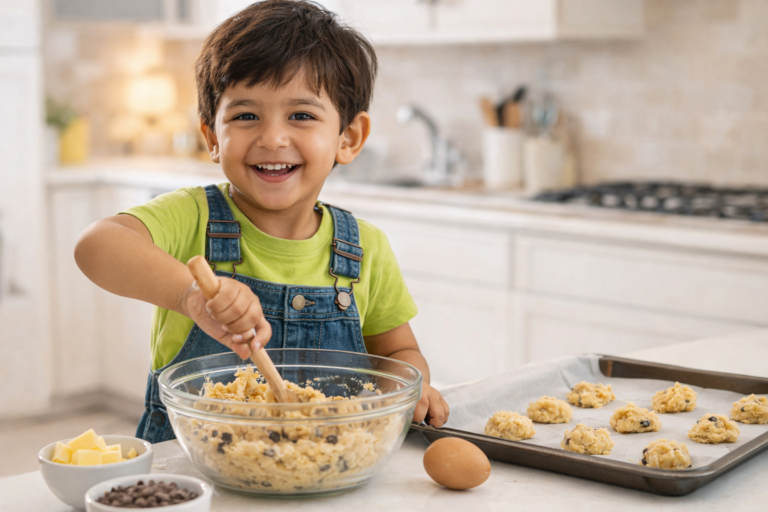
- Kitchen Tradition Time — Cook family recipes (dal, roti) — pass down skills and stories.
- Rangoli/Rangoli Drawing — Weekly family rangoli on paper/patio — creativity and patterns.
- Board Game or Card Night — Play traditional games like Carrom (or DIY) — laughter and strategy.
- Photo Album Revival — Flip through old photos, share stories — nostalgia without screens.
- Letter Writing Day — Write notes to grandparents or each other — mail them.
Analog Childhood Activities for Everyday Joy
- Backyard Picnic — Spread a blanket, share snacks — simple outdoor bonding.
- DIY Fort Building — Sheets and chairs for indoor “village” play.
- Nature Scavenger Hunt — Collect leaves, stones — tie to Indian eco-traditions.
- Family Dance Party — Hum Bollywood or folk songs — movement and fun.
- Memory Jar for Holidays — Add notes/photos (printed) of special moments.
Quiet & Reflective Offline Family Bonding Ideas
- Meditation or Pranayama — 5-minute family breathing — calm and mindfulness.
- Art & Craft Night — Make diyas, torans, or drawings — creative expression.
- Star Gazing Evening — Blanket outside, name stars — wonder and connection.
- Family Journal — One page per week of shared drawings/writings.
- Hug & Affirmation Ritual — Daily group hug with positive words.
Practical Tips for Desi Moms in America
- Adapt for weather: Indoor kolam or storytelling on rainy days.
- Involve extended family: Video call grandparents for stories (keep short).
- Make it flexible: Kids help choose traditions for ownership.
- Celebrate consistency: “This is our family thing” builds identity.
Screen-free family traditions in 2026 aren’t about rules — they’re about intentional love. As Desi families in America, you’re creating a beautiful blend of heritage and new memories. Start one today, and watch the magic unfold.
Which family traditions idea resonates most? Share your Desi twist in the comments! Subscribe to Momsaathi for more 2026 trends, gentle parenting, and NRI family guides.
FAQS
1. Why are family traditions important for children?
Family traditions help children feel secure, build a sense of belonging, and strengthen emotional bonds within the family. They also pass on values and cultural identity across generations.
2. What are some screen-free family tradition ideas?
Popular ideas include weekly game nights, storytelling sessions, family cooking days, outdoor walks, and gratitude rituals that encourage real connection without digital distractions.
3. How can Desi families in America maintain cultural traditions?
Desi families can celebrate festivals like Diwali or Pongal, cook traditional meals, share cultural stories, and teach regional languages to keep their roots alive while living abroad.
4. How do I start a new family tradition?
Start simple with activities that fit your routine, involve all family members, and stay consistent. Even small rituals done regularly can become meaningful traditions over time.
5. How often should family traditions be practiced?
Family traditions can be daily, weekly, monthly, or seasonal. The key is consistency, not frequency, to build strong and lasting memories.
6. Can screen-free activities really improve family bonding?
Yes, reducing screen time encourages real conversations, shared experiences, and deeper emotional connections among family members.