
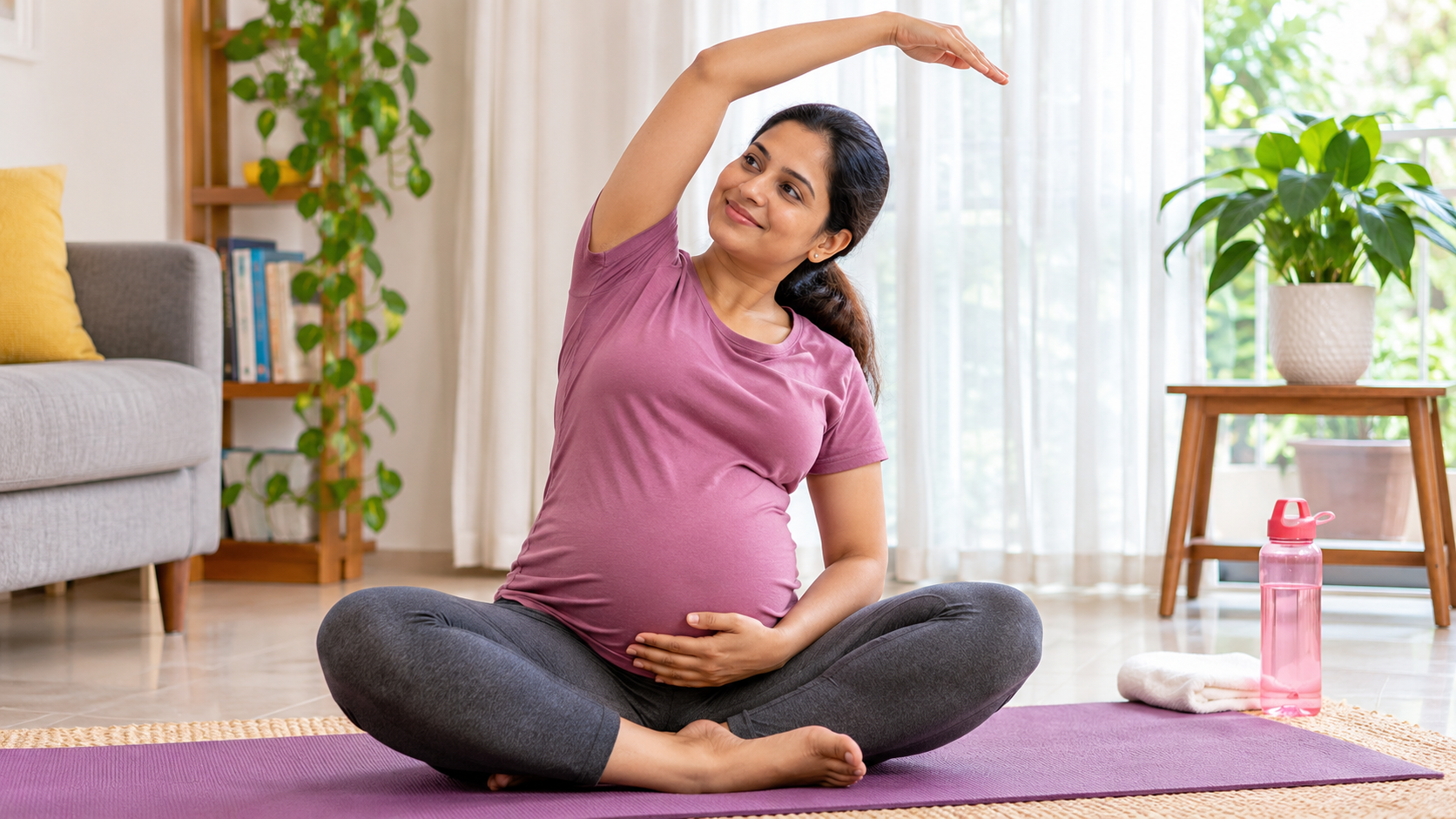
Exercise During Pregnancy: Safe Activities by Trimester

Exercise During Pregnancy: Safe Activities by Trimester
Pregnancy brings many physical and emotional changes, and staying active can help you feel stronger, manage common discomforts and prepare your body for childbirth. If your pregnancy is uncomplicated and your obstetrician has not advised you to restrict physical activity, moderate exercise during pregnancy is generally safe and beneficial.
Activities such as walking, swimming, stationary cycling, modified strength training and pregnancy-friendly yoga can help improve fitness, support healthy weight management and promote better sleep. The right activity and intensity depend on your health, fitness level, pregnancy stage and any medical complications.
For most healthy pregnant women, international guidelines recommend aiming for at least 150 minutes of moderate-intensity aerobic physical activity each week, spread across several days. You do not need to begin with long workouts. Even short sessions of gentle movement can be a useful starting point.
This guide explains safe exercises during pregnancy, activities to consider in each trimester, precautions for Indian weather and lifestyle conditions, and warning signs that mean you should stop exercising and seek medical advice.
Is Exercise Safe During Pregnancy?
Yes. For most women with uncomplicated pregnancies, regular moderate physical activity is safe and encouraged. Exercise does not generally increase the risk of miscarriage, premature birth or low birth weight in an otherwise healthy pregnancy.
The World Health Organization (WHO) recommends that pregnant and postpartum women without contraindications undertake regular physical activity. The American College of Obstetricians and Gynecologists (ACOG) also supports exercise during pregnancy, with modifications based on individual circumstances.
However, not every pregnancy is the same. Women with certain medical or obstetric conditions may need to avoid particular activities or follow a modified exercise plan. Speak with your obstetrician before beginning a new workout routine, particularly if you have a high-risk pregnancy, a history of pregnancy complications or an existing medical condition.
Benefits of Exercise During Pregnancy
1. Supports healthy weight gain
Pregnancy naturally involves weight gain as your baby grows. Regular moderate activity can help you maintain fitness and support healthy weight management alongside a balanced diet. For nutrition guidance, see our pregnancy diet chart and pregnancy weight gain chart. Exercise should never be used to restrict necessary pregnancy weight gain.
2. Helps manage back pain and discomfort
As your baby grows, your posture and centre of gravity change. Gentle stretching, walking and pregnancy-appropriate strengthening exercises may help improve posture, mobility and muscular support.
3. May improve sleep quality
Regular daytime movement may help you feel more relaxed and improve sleep quality. You may also find our guide to pregnancy sleeping positions useful. Avoid vigorous workouts close to bedtime if they make it harder for you to sleep.
4. Supports cardiovascular health
Moderate aerobic activities such as walking and swimming help maintain cardiovascular fitness and support healthy blood circulation.
5. May reduce the risk of certain pregnancy complications
Appropriate physical activity is associated with a lower risk of gestational diabetes and excessive gestational weight gain. It may also help reduce the risk of hypertensive disorders in some populations. Exercise is not a substitute for antenatal screening, medical treatment or monitoring.
6. Supports mental well-being
Physical activity may help improve mood, reduce stress and support emotional well-being. A gentle walk or prenatal yoga session can also provide time to relax.
7. Helps maintain strength and mobility
Modified exercises can help maintain the muscles involved in everyday activities, including standing, walking and lifting.
How Much Exercise Should You Do During Pregnancy?
For pregnant women without medical contraindications, WHO and ACOG guidance supports approximately 150 minutes of moderate-intensity aerobic activity per week. A practical target could be 30 minutes of brisk walking on five days, with prenatal yoga or gentle mobility on two or three days and modified strength training on two days. Adjust this according to your energy levels and medical advice.
What does moderate-intensity exercise feel like?
Use the talk test: you should be able to speak in complete sentences while exercising. You may breathe faster than usual, but should not feel breathless or unable to talk. You should not feel dizzy, faint or excessively exhausted.
Safe Exercises During Pregnancy by Trimester
First Trimester: Weeks 1–13
The first trimester is a period of significant hormonal and physical changes. You may experience nausea, fatigue, breast tenderness, food aversions and mood changes. You can generally continue moderate exercise if your pregnancy is uncomplicated and you feel comfortable. If you were physically active before pregnancy, you may be able to continue familiar activities with appropriate adjustments.
- Walking: Start with 10–15 minutes if you are new to exercise and increase gradually as your energy allows.
- Prenatal yoga: Choose an instructor trained in prenatal yoga. Avoid hot yoga, extreme stretches, forceful abdominal movements and poses that cause discomfort.
- Stationary cycling: This offers low-impact cardiovascular exercise with less fall risk than outdoor cycling. Keep resistance comfortable.
- Gentle strength training: Light resistance, supported exercises and controlled bodyweight movements may be suitable if you already have experience.
Rest when unusually tired or nauseated, avoid overheating, drink water and do not start intense workouts suddenly. There is no universal rule that all exercise must stop during the first trimester. However, bleeding, significant pain or unusual symptoms should be assessed by a healthcare professional.
Second Trimester: Weeks 14–27
Many women find the second trimester more comfortable because early pregnancy symptoms may settle. Your abdomen will gradually grow, and your balance and posture may begin to change. Focus on comfortable, controlled movement and maintaining strength.
- Brisk walking: Choose even surfaces, supportive footwear and a comfortable pace. Split a 30-minute walk into two 15-minute sessions if easier.
- Swimming: Water supports your body and reduces impact on your joints. Choose a clean, well-maintained pool.
- Prenatal yoga: Avoid deep twists, strong abdominal compression, unsupported balance or prolonged positions that cause discomfort.
- Modified strength exercises: Supported squats, wall push-ups, seated resistance-band rows and supported calf raises may help maintain functional strength.
- Pelvic floor exercises: Gently contract the muscles as if preventing passing wind, then fully relax. Continue breathing normally. Do not regularly practise stopping your urine stream as an exercise.
Avoid activities with a high risk of falling, breath-holding and heavy straining. Modify exercises as your abdomen grows. Avoid remaining flat on your back for prolonged periods if this causes dizziness, nausea or breathlessness.
Third Trimester: Weeks 28–40
During the third trimester, your baby grows rapidly, and you may experience increased fatigue, pelvic pressure, back discomfort, breathlessness and swelling. You may need to reduce exercise intensity or duration. The goal is to remain comfortably active rather than achieve personal fitness records.
- Gentle walking: Shorter walks may be more manageable than one long session. Choose a safe route and stop if unsteady.
- Gentle prenatal yoga: Use cushions, a chair or a wall for support. Avoid deep stretches and positions that place pressure on your abdomen.
- Pelvic floor exercises: Practise gentle contractions and complete relaxation if comfortable.
- Breathing and relaxation: Slow, comfortable breathing may help manage stress. Do not force deep breathing or practise breath-holding exercises.
- Gentle mobility: Simple ankle movements, supported standing exercises and comfortable hip mobility can help maintain movement.
Avoid exercises that make you feel off balance, prolonged standing if it causes discomfort, and pushing through pelvic pain or contractions. Your doctor may recommend changes as you approach your due date.
Best Exercises for Pregnant Women
Walking
Walking is accessible, affordable and easy to adapt. Choose comfortable shoes and avoid uneven roads or slippery surfaces.
Swimming and water aerobics
Water-based activities provide gentle resistance while reducing pressure on your joints. Choose a hygienic facility and avoid swimming if your doctor has advised against it.
Prenatal yoga
Prenatal yoga combines gentle movement, breathing and relaxation. Choose pregnancy-specific instruction rather than assuming every regular yoga pose is suitable.
Modified strength training
Strength training can help maintain muscle function. Use controlled movements, manageable resistance and correct technique. Avoid heavy lifting that requires straining or breath-holding.
Stationary cycling
Stationary cycling offers aerobic exercise without the same fall risk as outdoor cycling. Adjust the seat and resistance to remain comfortable.
Pelvic floor training
Pelvic floor exercises help develop awareness and control of these muscles. Both contraction and relaxation matter. For recovery after birth, read our postpartum recovery guide. If you experience urinary leakage, pelvic heaviness or pain, seek guidance from a qualified pelvic health professional.
Exercises and Activities to Avoid During Pregnancy
Not every exercise is suitable during pregnancy. Activities involving high impact, abdominal trauma, overheating or a significant risk of falling may need to be avoided. Depending on your health and pregnancy stage, your doctor may advise avoiding:
- Contact sports such as boxing, martial arts and certain team sports.
- Activities with a high risk of falling, such as horse riding, downhill skiing and outdoor cycling where falls are likely.
- Scuba diving.
- Hot yoga and hot Pilates.
- Activities at high altitude if you are not acclimatised.
- Exercises involving a high risk of abdominal impact.
- Heavy lifting that involves breath-holding or excessive straining.
You may also need to modify exercises involving prolonged lying flat on your back, particularly after the first trimester or whenever they cause symptoms. Your obstetrician can help decide what is appropriate for your circumstances.
Pregnancy Exercise Precautions for Women in India
Choose cooler hours
During hot months, avoid outdoor exercise during peak afternoon heat. Early morning or evening may be more comfortable, depending on local temperature and humidity.
Stay hydrated
Drink water regularly throughout the day and carry a bottle when walking or exercising. Do not wait until you feel extremely thirsty.
Pay attention to air quality
On days with poor air quality, smoke or heavy pollution, consider exercising indoors in a well-ventilated space instead of walking beside busy roads.
Choose safe walking routes
Use parks, walking tracks or even, well-maintained pathways whenever possible. Avoid slippery surfaces, potholes and crowded routes.
Wear comfortable clothing
Choose breathable clothing and supportive footwear. Avoid tight clothing that restricts movement or makes you feel overheated.
Do not follow another person’s pregnancy workout
A routine suitable for one pregnant woman may not be appropriate for another. Consider your own fitness level, pregnancy history and doctor’s advice.
When Should You Stop Exercising During Pregnancy?
Stop exercising immediately and seek medical advice if you experience any of the following symptoms:
- Vaginal bleeding.
- Leakage of fluid from the vagina.
- Regular painful contractions.
- Dizziness or fainting.
- Chest pain.
- Severe shortness of breath before or during exercise.
- Severe headache.
- Calf pain or swelling, particularly if one leg is affected.
- Muscle weakness affecting balance.
- Severe abdominal or pelvic pain.
If you experience chest pain, fainting, significant breathing difficulty, heavy bleeding or another emergency symptom, seek urgent medical care. Do not resume exercise until assessed and advised that it is safe.
Who Should Avoid Exercise or Get Medical Clearance First?
Some women may need to avoid exercise or follow an individually supervised programme. Conditions requiring medical assessment include certain heart or lung conditions, severe anaemia, persistent vaginal bleeding, placenta previa when it creates a bleeding risk, cervical insufficiency or a cervical cerclage depending on circumstances, pre-eclampsia or uncontrolled high blood pressure, preterm labour or ruptured membranes, certain multiple pregnancies with increased risk of preterm labour, and other significant medical or obstetric complications.
This is not a complete list. Having one of these conditions does not automatically mean every form of movement is prohibited. Your obstetrician must assess the specific risks and advise you accordingly.
A Sample Weekly Pregnancy Exercise Routine
The following is an example for a healthy pregnant woman who has been cleared for moderate activity. It is not an individual prescription.
| Day | Suggested activity | Duration |
|---|---|---|
| Monday | Comfortable brisk walking | 30 minutes |
| Tuesday | Prenatal yoga and mobility | 20–30 minutes |
| Wednesday | Walking | 30 minutes |
| Thursday | Modified strength training | 20 minutes |
| Friday | Walking or swimming | 30 minutes |
| Saturday | Gentle walking and stretching | 20–30 minutes |
| Sunday | Rest or comfortable daily movement | As comfortable |
Adjust the schedule according to your energy levels, symptoms and medical advice. You can divide sessions into shorter periods throughout the day.
How to Start Exercising If You Were Inactive Before Pregnancy
You do not need to be physically fit before pregnancy to benefit from movement. If you were mostly inactive, begin slowly:
- Speak with your obstetrician about suitable activities.
- Start with a short walk of around 5–10 minutes.
- Choose a comfortable pace.
- Increase activity gradually if you feel well.
- Include rest days and avoid sudden increases in intensity.
- Stop if you experience pain, dizziness, bleeding or other warning signs.
Consistency is more useful than pushing yourself to complete a demanding workout.
Common Myths About Exercise During Pregnancy
Myth 1: Exercise can cause miscarriage
Fact: Moderate exercise is not generally associated with an increased risk of miscarriage in uncomplicated pregnancies. Bleeding, pain or other concerning symptoms need medical assessment.
Myth 2: Pregnant women should avoid walking
Fact: Walking is generally a safe and accessible activity for most pregnant women. The pace and duration should be comfortable and appropriate for individual health.
Myth 3: Exercise is safe only during the second trimester
Fact: Women with uncomplicated pregnancies can generally remain active throughout pregnancy, with appropriate modifications.
Myth 4: You must exercise for 30 minutes continuously
Fact: Physical activity can be divided into shorter sessions. Brief periods of movement can contribute to your weekly activity.
Myth 5: Prenatal yoga is always safe
Fact: Only suitable, modified yoga should be practised. Hot yoga, extreme stretches and uncomfortable poses may be unsuitable.
Myth 6: You should stop exercising once your baby bump becomes large
Fact: Many women can continue suitable physical activity into the third trimester, but intensity, balance and comfort may require adjustments.
Frequently Asked Questions About Exercise During Pregnancy
Which exercise is safest during pregnancy?
Walking is one of the simplest and most accessible activities for most women with uncomplicated pregnancies. Swimming, stationary cycling, modified strength training and prenatal yoga may also be suitable. The best option depends on your health, experience and doctor’s advice.
How many minutes should a pregnant woman exercise daily?
For most pregnant women without contraindications, guidelines recommend at least 150 minutes of moderate-intensity aerobic activity per week. This can be divided into approximately 30 minutes on five days, or shorter sessions spread throughout the week.
Can I walk every day during pregnancy?
Generally, yes. Daily walking at a comfortable pace is suitable for many women with uncomplicated pregnancies. Reduce duration or intensity if you feel tired, uncomfortable or unwell.
Can I do squats during pregnancy?
Modified squats may be suitable for many pregnant women if performed comfortably and safely. Use support if needed, avoid excessive depth and stop if you experience pain, pressure or dizziness. Seek professional guidance if you have pelvic pain or pregnancy complications.
Is yoga safe during pregnancy?
Prenatal yoga can support flexibility, relaxation and mobility. Choose a qualified prenatal yoga instructor and avoid hot yoga, extreme stretches, forceful twists and uncomfortable positions.
Can exercise cause premature labour?
Moderate physical activity is generally considered safe in uncomplicated pregnancies and is not generally associated with an increased risk of preterm birth. Women with a history or signs of preterm labour need individual medical advice.
Can I start exercising during the third trimester?
Some women can begin gentle physical activity during the third trimester, but they should first discuss it with their obstetrician. Start gradually and choose low-impact movements that do not compromise balance or comfort.
Should I stop exercising if I feel tired?
If you feel unusually tired, dizzy or unwell, stop and rest. Normal pregnancy fatigue can vary from day to day. Do not force yourself to complete a workout when your body needs rest.
Can exercise help with normal delivery?
Exercise may support cardiovascular fitness, muscular endurance and general physical well-being. However, it cannot guarantee a vaginal birth or prevent a Caesarean delivery. Delivery decisions depend on maternal and fetal health and obstetric circumstances.
Is it safe to exercise during a high-risk pregnancy?
It depends on the condition and its severity. Some women may need to restrict certain activities, while others may be able to continue with a modified programme. Always follow your obstetrician’s individual advice.
Can I exercise if I have gestational diabetes?
Physical activity is often an important part of gestational diabetes management, but the type, timing and intensity should be discussed with your diabetes and maternity care team. Follow their advice about blood glucose monitoring, meals and medication.
What is the best time to exercise during pregnancy?
There is no single best time. Choose a time when you feel comfortable, the weather is suitable and you can exercise safely. In hot Indian weather, cooler morning or evening hours may be preferable.
Final Thoughts
Exercise during pregnancy is not about achieving a particular fitness goal or maintaining your pre-pregnancy body. It is about supporting your health, strength and well-being as your body changes.
Walking, swimming, modified strength exercises and prenatal yoga can be useful options for many women with uncomplicated pregnancies. Start gradually, stay hydrated, listen to your body and make adjustments as your pregnancy progresses.
Every pregnancy is different. Discuss your exercise routine with your obstetrician and seek medical advice if you experience unusual symptoms. You can also explore our complete Mom health guide. A healthy pregnancy routine should help you feel supported, not pressured. Move comfortably, rest when needed and focus on what is appropriate for you and your baby.
Medical Disclaimer
This article is for general educational purposes and does not replace individual medical advice, diagnosis or treatment. Exercise recommendations vary according to pregnancy history, medical conditions and obstetric risk. Consult your obstetrician or qualified healthcare professional before beginning or changing an exercise programme during pregnancy. Seek urgent medical attention for warning signs such as vaginal bleeding, fluid leakage, chest pain, fainting or severe breathing difficulty.