

Home » Baby Care » Emotional Development by Age: Milestones & Parent Guide
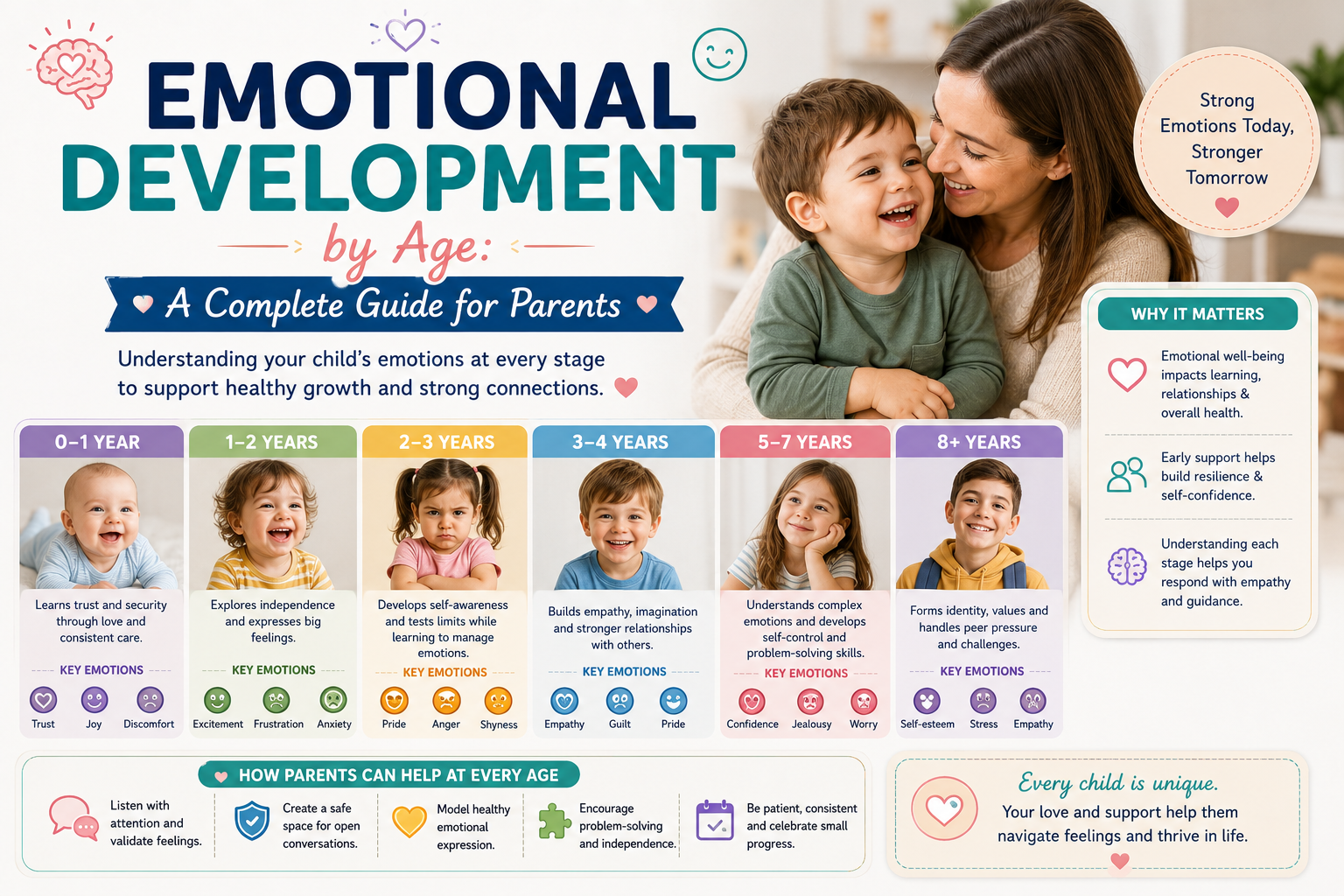
Emotional development milestones by age from infancy to adolescence

Emotional Development by Age: Milestones & Parent Guide

Every child experiences emotional growth from the day they are born. Learning to express feelings, build relationships, develop empathy, and regulate emotions are essential life skills that begin in infancy and continue throughout childhood and adolescence.

Understanding emotional development by age helps parents recognize what’s typical, support healthy growth, and identify when a child may need additional help. While every child develops at their own pace, emotional milestones provide useful guidance for nurturing confidence, resilience, and positive mental well-being.

Whether you’re caring for a newborn, toddler, preschooler, or teenager, this guide explains age-appropriate emotional milestones, common behaviors, and practical ways to support your child’s emotional health.

If you’re looking for more parenting resources, you may also enjoy:

3-Year-Old Daily Routine
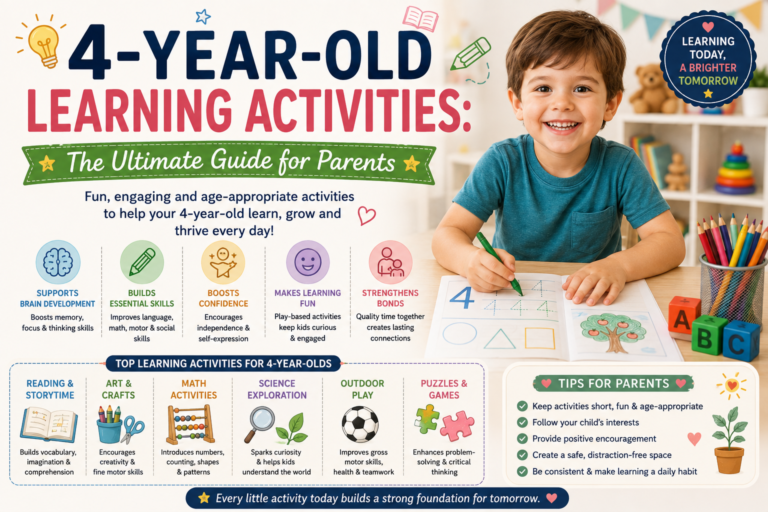
4-Year-Old Learning Activities
Baby Sleep Schedule

Quick Answer

Emotional development by age refers to how children learn to recognize, express, understand, and manage emotions as they grow. From smiling at caregivers during infancy to developing empathy, self-control, friendships, and emotional resilience during adolescence, each stage brings important milestones that shape lifelong mental health and relationships.

What Is Emotional Development?

Emotional development is the process through which children learn to:

  • Recognize their emotions
  • Express feelings appropriately
  • Understand other people’s emotions
  • Build healthy relationships
  • Develop empathy
  • Manage frustration and disappointment
  • Build confidence and resilience

These skills don’t develop overnight—they grow gradually through everyday interactions with parents, caregivers, teachers, and peers.

Emotional Development vs. Social Development

Many parents confuse emotional and social development, but they’re closely connected while serving different purposes.

Emotional Development Social Development
Understanding emotions Building relationships
Managing feelings Communicating with others
Self-awareness Cooperation
Self-regulation Sharing and teamwork
Empathy Making friends

Both areas work together to help children become emotionally healthy and socially confident adults.

Why Emotional Development Is Important

Strong emotional development benefits children throughout life.

It helps them:

  • Build healthy relationships
  • Communicate effectively
  • Handle disappointment
  • Solve problems calmly
  • Develop self-confidence
  • Learn at school
  • Reduce stress and anxiety
  • Improve decision-making
  • Build resilience during challenges

Research consistently shows that children with strong emotional skills are better equipped to succeed academically and socially.

Emotional Development Milestones by Age

Emotional Development: Birth to 6 Months

During the first six months, babies form their earliest emotional connections with caregivers.

Common Milestones

  • Smiles socially
  • Enjoys eye contact
  • Recognizes familiar voices
  • Calms when comforted
  • Responds to facial expressions
  • Begins expressing happiness and discomfort

How Parents Can Help

  • Hold and cuddle frequently
  • Respond quickly to crying
  • Talk softly
  • Smile often
  • Maintain eye contact
  • Create predictable routines

Secure attachment begins during this stage.

Emotional Development: 6–12 Months

Babies become more aware of people around them.

Milestones

  • Shows excitement
  • Laughs frequently
  • Develops stranger anxiety
  • Experiences separation anxiety
  • Shows preferences for caregivers
  • Expresses different emotions through sounds and facial expressions

Parent Tips

  • Play peekaboo
  • Read picture books
  • Encourage exploration while staying nearby
  • Comfort during separation

Emotional Development at 1 Year

One-year-olds begin expressing their feelings more clearly.

Milestones

  • Shows affection
  • Enjoys praise
  • Seeks comfort when upset
  • Waves goodbye
  • Begins understanding simple emotions

Activities

  • Name emotions

Example:

“You look happy.”

“I see you’re frustrated.”

Helping children identify emotions builds emotional awareness.

Emotional Development at 2 Years

Two-year-olds experience strong emotions but have limited self-control.

Typical Behaviors

  • Tantrums
  • Strong independence
  • Says “No!”
  • Shows affection
  • Begins sharing (with support)
  • Expresses jealousy

Parent Tips

Stay calm during emotional outbursts.

Offer simple choices like:

  • Blue shirt or red shirt?
  • Apple or banana?

Choices reduce power struggles.

Emotional Development at 3 Years

Three-year-olds begin understanding other people’s feelings.

Milestones

  • Shows empathy
  • Comforts upset friends
  • Follows routines
  • Expresses emotions using words
  • Plays cooperatively
  • Enjoys pretend play

Our guide on 3-Year-Old Daily Routine includes routines that support emotional security and independence.

Emotional Development at 4 Years

Preschoolers become more socially aware.

Milestones

  • Understands basic rules
  • Waits for short turns
  • Identifies emotions
  • Expresses excitement verbally
  • Begins solving simple conflicts
  • Develops friendships

Activities such as storytelling, role play, and cooperative games help strengthen these skills. Explore our 4-Year-Old Learning Activities guide for practical ideas.

Emotional Development at 5 Years

Children become increasingly independent.

Milestones

  • Better emotional control
  • Understands fairness
  • Shows kindness
  • Accepts simple responsibilities
  • Expresses pride in achievements
  • Handles short separations comfortably

Parents should continue encouraging emotional conversations at home.

Emotional Development: 6–8 Years

School-age children experience rapid emotional growth.

Milestones

  • Builds close friendships
  • Understands empathy
  • Manages frustration more effectively
  • Accepts constructive feedback
  • Understands rules and consequences
  • Shows responsibility

Helpful Activities

  • Team sports
  • Reading together
  • Board games
  • Family discussions
  • Journaling
  • Problem-solving games

Emotional Development: 9–12 Years

Preteens become increasingly aware of themselves and others.

Milestones

  • Develops stronger friendships
  • Understands complex emotions
  • Seeks independence
  • Handles responsibilities
  • Develops self-esteem
  • Experiences peer influence

Parents should encourage open conversations without judgment.

Emotional Development: 13–18 Years

Adolescence is a time of major emotional and psychological growth.

Milestones

  • Forms personal identity
  • Experiences stronger emotions
  • Develops romantic interests
  • Learns emotional resilience
  • Makes independent decisions
  • Understands long-term consequences
  • Builds deeper empathy

Teenagers still need parental support, even as they seek greater independence.

Emotional Development Milestone Chart

Age Emotional Milestone Parent Support
0–6 Months Smiles, bonding Respond warmly and consistently
6–12 Months Stranger anxiety Offer comfort and reassurance
1 Year Shows affection Label emotions with simple words
2 Years Tantrums begin Stay calm and provide choices
3 Years Develops empathy Encourage pretend play
4 Years Makes friends Practice sharing and cooperation
5 Years Better self-control Praise effort and kindness
6–8 Years Builds confidence Encourage teamwork
9–12 Years Develops independence Listen without judgment
13–18 Years Identity formation Maintain open communication

Factors That Influence Emotional Development

Many factors contribute to a child’s emotional growth, including:

  • Loving relationships
  • Parenting style
  • Family environment
  • Nutrition
  • Sleep quality
  • Physical activity
  • School experiences
  • Friendships
  • Screen time
  • Stressful life events

Healthy routines also support emotional well-being. If you’re working on better sleep habits, read our Baby Sleep Schedule guide.
Supporting your child’s emotional growth doesn’t require expensive toys or structured lessons. The most meaningful emotional learning happens through everyday interactions, loving relationships, and consistent routines. By understanding your child’s emotional needs at each stage, you can help them build resilience, empathy, confidence, and healthy coping skills.

See also  Do Diapers Expire? Is It Safe to Use Old Diapers for Baby?

For more parenting guidance, you may also find these MomSaathi articles helpful:

3-Year-Old Daily Routine
4-Year-Old Learning Activities
Baby Food Chart (0–24 Months)

Activities That Support Emotional Development by Age

Birth to 12 Months

At this stage, babies develop trust through responsive caregiving.

Try These Activities

  • Smile and imitate facial expressions
  • Sing lullabies
  • Read simple picture books
  • Cuddle during feeding
  • Play peekaboo
  • Respond promptly to crying

Skills Developed

  • Secure attachment
  • Trust
  • Emotional bonding
  • Social interaction

1–3 Years

Toddlers begin recognizing and expressing emotions.

Activities

  • Name emotions during daily routines
  • Read books about feelings
  • Pretend play
  • Use emotion flashcards
  • Play simple turn-taking games
  • Practice deep breathing together

Skills Developed

  • Emotional vocabulary
  • Self-expression
  • Patience
  • Self-regulation

4–6 Years

Preschoolers become more aware of other people’s feelings.

Activities

  • Storytelling
  • Puppet shows
  • Cooperative games
  • Role-playing different emotions
  • Gratitude activities
  • Family conversations

Our 4-Year-Old Learning Activities guide includes many play-based ideas that also strengthen emotional intelligence.

7–12 Years

School-age children develop empathy, responsibility, and emotional problem-solving.

Activities

  • Journaling
  • Team sports
  • Board games
  • Volunteer projects
  • Goal-setting
  • Reading age-appropriate novels

Skills Developed

  • Empathy
  • Cooperation
  • Decision-making
  • Emotional resilience

Teenagers (13–18 Years)

Adolescents benefit from guidance without excessive control.

Activities

  • Open family discussions
  • Journaling
  • Mindfulness
  • Community service
  • Sports
  • Creative hobbies
  • Setting personal goals

Parents should focus on listening more than lecturing.

Signs of Healthy Emotional Development

Although every child is different, healthy emotional development often includes:

✔ Expresses a range of emotions appropriately

✔ Seeks comfort from trusted adults

✔ Builds friendships

✔ Shows empathy

✔ Handles disappointment with support

✔ Learns from mistakes

✔ Follows routines

✔ Develops confidence

✔ Accepts encouragement

✔ Demonstrates curiosity

Warning Signs of Emotional Development Delays

Some emotional challenges are part of normal development. However, persistent concerns may warrant discussion with a healthcare professional.

Babies

Possible concerns include:

  • Rarely smiles by around 3 months
  • Limited eye contact
  • Little interest in caregivers
  • Difficulty being comforted

Toddlers

Talk to your pediatrician if your child consistently:

  • Has extreme difficulty calming down
  • Shows little interest in interacting with others
  • Rarely expresses emotions
  • Does not seek comfort from familiar adults

Preschoolers

Potential concerns include:

  • Frequent aggressive behavior
  • Inability to play with peers
  • Extreme fearfulness
  • Persistent sadness
  • Difficulty expressing emotions

School-Age Children

Watch for ongoing:

  • Social withdrawal
  • Very low self-esteem
  • Frequent emotional outbursts
  • Excessive anxiety
  • Difficulty making or keeping friends

Teenagers

Seek professional support if your teen experiences:

  • Persistent sadness lasting several weeks
  • Extreme mood changes
  • Withdrawal from family and friends
  • Loss of interest in favorite activities
  • Talking about self-harm or hopelessness
  • Significant changes in eating or sleeping habits

If you notice concerns, consult your child’s pediatrician or a qualified mental health professional for an evaluation.

Factors That Can Affect Emotional Development

Many experiences influence emotional growth, including:

  • Secure relationships with caregivers
  • Consistent routines
  • Positive parenting
  • Physical health
  • Sleep quality
  • Balanced nutrition
  • Safe environments
  • School experiences
  • Friendships
  • Life stressors
  • Exposure to conflict or trauma
  • Appropriate screen-time habits

Healthy sleep also plays an important role. Learn more in our <a href=”https://momsaathi.com/baby-sleep-schedule/”>Baby Sleep Schedule</a> guide.

How Parents Can Support Emotional Development

Listen Without Interrupting

Allow your child to explain their feelings before offering solutions.

Name Emotions

Instead of saying:

“Stop crying.”

Try:

“It looks like you’re feeling disappointed.”

Helping children label emotions improves emotional awareness.

Validate Feelings

Validation doesn’t mean agreeing with every behavior.

For example:

“I understand you’re upset because playtime ended.”

Model Healthy Emotional Regulation

Children learn by watching adults.

Show healthy ways to:

  • Stay calm
  • Apologize
  • Solve disagreements
  • Express gratitude

Encourage Problem-Solving

Instead of solving every challenge immediately, ask:

“What do you think we could do?”

Create Predictable Routines

Consistent routines help children feel safe and reduce anxiety.

Our 3-Year-Old Daily Routine article offers practical examples.

Read Together Every Day

Stories introduce emotions such as:

  • Happiness
  • Fear
  • Anger
  • Kindness
  • Courage
  • Friendship

Discuss how characters might be feeling and why.

Common Mistakes Parents Should Avoid

  • Dismissing emotions with phrases like “Don’t cry.”
  • Comparing siblings or classmates.
  • Expecting perfect behavior.
  • Solving every problem immediately.
  • Using shame or humiliation as discipline.
  • Ignoring positive behavior.
  • Maintaining inconsistent routines.
  • Spending little time talking or playing together.

Remember that emotional development is a gradual process.

Emotional Development vs. Emotional Intelligence

Emotional Development Emotional Intelligence
Natural growth over time Ability to recognize and manage emotions
Begins in infancy Continues developing throughout life
Influenced by caregivers and experiences Strengthened through practice and guidance
Includes emotional milestones Includes empathy, self-awareness, and self-regulation

Emotional development lays the foundation for emotional intelligence.

Frequently Asked Questions

What is emotional development?

Emotional development is the process of learning to recognize, express, understand, and manage emotions while building healthy relationships.

Why is emotional development important?

It supports mental well-being, learning, confidence, communication, and healthy relationships throughout life.

At what age do children begin showing emotions?

Babies begin expressing emotions such as comfort, distress, and joy during the first months of life and gradually develop more complex emotional skills as they grow.

What helps emotional development?

Responsive caregiving, secure relationships, consistent routines, play, reading, conversations, and positive role modeling all support emotional growth.

How can parents improve emotional development?

Parents can listen actively, validate feelings, encourage problem-solving, read together, establish routines, and model healthy emotional behavior.

Is emotional development different from social development?

Yes. Emotional development focuses on understanding and managing feelings, while social development involves interacting effectively with others. The two are closely connected.

Can screen time affect emotional development?

Excessive or inappropriate screen use may reduce opportunities for face-to-face interaction, imaginative play, and emotional learning. Balance screen time with active play and family engagement.

What are signs of healthy emotional development?

Healthy signs include empathy, emotional expression, resilience, cooperation, confidence, and the ability to build relationships.

When should parents seek professional help?

If emotional or behavioral concerns are persistent, interfere with daily life, or affect relationships, discuss them with your child’s healthcare provider.

Do all children reach emotional milestones at the same age?

No. Every child develops at their own pace. Milestones are general guidelines rather than strict deadlines.

Final Thoughts

Understanding emotional development by age empowers parents to support children through every stage of growth. From building secure attachments in infancy to encouraging empathy, resilience, and emotional intelligence in adolescence, consistent love, communication, and positive guidance have a lasting impact.

Rather than comparing your child to others, focus on creating a nurturing environment where they feel heard, valued, and safe to express their emotions. Small, everyday interactions—reading together, talking about feelings, solving problems as a family, and maintaining predictable routines—help lay the foundation for lifelong emotional well-being.

Continue supporting your child’s growth with these MomSaathi resources:

3-Year-Old Daily Routine
4-Year-Old Learning Activities
Baby Food Chart (0–24 Months)
Baby Sleep Schedule
Contact Naps
Baby Haircut

Trusted External Resources

For evidence-based information on children’s emotional and developmental health, visit:

These organizations provide trusted guidance on child development, emotional well-being, parenting strategies, and age-appropriate milestones.

More Reading

Post navigation

Subscribe
Notify of
guest

1 Comment
Oldest
Newest Most Voted

[…] Baby Sleep Schedule 3-Year-Old Daily Routine First Day of Preschool Tips Emotional Development by Age […]

1
0
Would love your thoughts, please comment.x
()
x