
Edited by: MomSaathi Editorial Team
Reviewed by: Medically reviewed by a certified healthcare professional
Planning for pregnancy is an important phase in a woman’s life, and preparing your body with the right nutrients plays a crucial role in supporting a healthy pregnancy. One of the most essential nutrients during this time is folic acid, a B-vitamin that helps support the healthy growth and development of your baby even before pregnancy begins.
Understanding the importance of folic acid and including natural folate-rich foods in your diet can significantly improve maternal and fetal health outcomes.
What Is Folic Acid?
Folic acid is the synthetic form of folate (Vitamin B9), a water-soluble vitamin that helps the body produce and maintain new cells. It is particularly important during periods of rapid cell growth, such as pregnancy.
Folate plays a vital role in:
- DNA formation
- Red blood cell production
- Cell division and growth
- Development of the baby’s brain and spinal cord
Because these processes start very early in pregnancy, adequate folic acid intake before conception is essential.
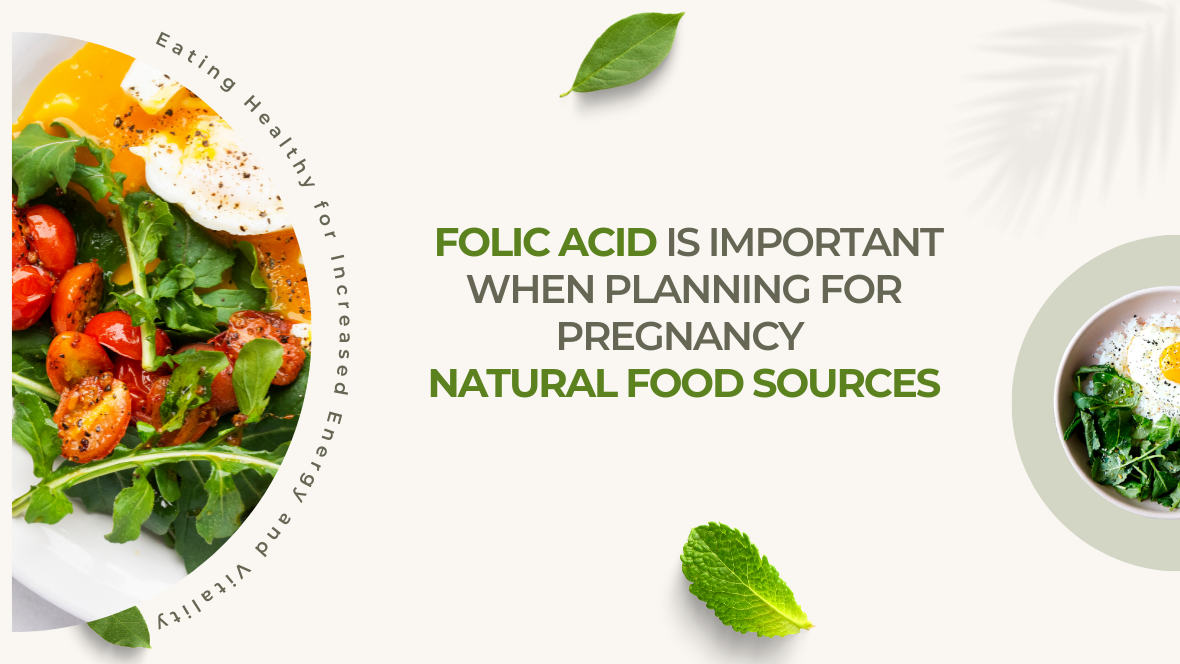
Why Folic Acid Is Important When Planning for Pregnancy
One of the primary reasons doctors recommend folic acid before pregnancy is to prevent neural tube defects (NTDs). The neural tube forms the baby’s brain and spinal cord and develops within the first few weeks of pregnancy.
In many cases, women may not yet know they are pregnant during this stage. Therefore, consuming enough folic acid before conception and during early pregnancy helps reduce the risk of birth defects such as spina bifida and anencephaly.
Other benefits of folic acid include:
- Supports healthy brain and spine development in the baby
- Helps prevent certain birth defects
- Supports healthy placenta formation
- Aids in red blood cell production
- Helps prevent anemia in the mother
- Supports overall maternal health during pregnancy
[fc-dietchart]
Recommended Daily Intake
Health experts generally recommend the following intake:
- 400 micrograms (mcg) per day for women planning pregnancy
- 600 mcg per day during pregnancy
Many doctors recommend starting folic acid supplementation at least 1–3 months before trying to conceive.
Natural Foods Rich in Folate
While supplements are often recommended, many natural foods are excellent sources of folate. Including these foods in your daily meals can help improve your nutrient intake.
1. Leafy Green Vegetables
Dark leafy greens are one of the richest natural sources of folate.
Examples include:
- Spinach
- Kale
- Fenugreek leaves (methi)
- Mustard greens
They also provide iron, calcium, and antioxidants that support reproductive health.
2. Lentils and Legumes
Lentils and beans are excellent plant-based sources of folate and protein.
Good choices include:
- Lentils (dal)
- Chickpeas (chana)
- Kidney beans (rajma)
- Black beans
They are also rich in fiber and help maintain steady blood sugar levels.
3. Citrus Fruits
Citrus fruits contain natural folate and vitamin C, which helps improve iron absorption.
Examples include:
- Oranges
- Sweet lime (mosambi)
- Grapefruit
- Lemon
4. Avocados
Avocados are nutrient-dense and provide folate, healthy fats, potassium, and fiber, all of which support overall reproductive health.
5. Nuts and Seeds
Nuts and seeds contribute smaller amounts of folate but are still beneficial.
Examples include:
- Almonds
- Sunflower seeds
- Flaxseeds
- Peanuts
6. Whole Grains
Whole grains provide natural folate along with fiber and essential nutrients.
Examples include:
- Brown rice
- Oats
- Whole wheat
- Quinoa
7. Eggs
Eggs provide folate along with protein and choline, an important nutrient that supports the baby’s brain development.
Tips to Increase Folate Intake Naturally
- Include leafy greens in daily meals such as salads, smoothies, or curries
- Replace refined grains with whole grains
- Eat lentils or legumes several times a week
- Add fresh fruits and nuts as snacks
- Choose a balanced diet rich in vegetables and plant-based foods
Final Thoughts
Folic acid is one of the most important nutrients when planning for pregnancy. Ensuring adequate intake before conception helps support healthy fetal development and significantly reduces the risk of birth defects.
By combining a balanced diet rich in natural folate sources with medical guidance on supplementation, women can better prepare their bodies for a healthy pregnancy journey.
Frequently Asked Questions (FAQs)
1. Why is folic acid important before pregnancy?
Folic acid helps prevent neural tube defects in the baby’s brain and spine. Taking it before conception ensures proper early development, even before you know you’re pregnant.
2. When should I start taking folic acid?
It’s recommended to start at least 1–3 months before trying to conceive and continue through the first trimester for maximum benefits.
3. How much folic acid should I take daily?
Most women are advised to take 400–800 mcg of folic acid daily, but your doctor may recommend a higher dose based on your health needs.
4. Can I get enough folic acid from food alone?
Foods like leafy greens, citrus fruits, beans, and fortified cereals contain folate, but supplements are usually recommended to meet the required levels.
5. What happens if I don’t take folic acid before pregnancy?
A deficiency can increase the risk of neural tube defects and other developmental issues in the baby, especially in early pregnancy.