


Edited by: MomSaathi Editorial Team
Reviewed by: Maternal Health Experts and Gynaecologists
At 7 months (roughly weeks 25 to 28), your baby is entering the third trimester. Their organs are maturing rapidly, and they’re building the fat layers they’ll need after birth. Don’t worry if your baby’s weight is slightly above or below the average — every pregnancy is different. In this detailed guide, we’ll cover everything from average 7 month pregnancy baby weight in kg to week-by-week charts, fetal development, Indian diet tips, and practical advice to support healthy growth. All information is based on standard fetal growth charts used by gynecologists across India.

What Does 7 Months Pregnant Mean in Weeks?
Pregnancy is counted from the first day of your last menstrual period. The 7th month typically spans weeks 25 to 28, with week 28 often considered the start of the third trimester. By this time, your baby has grown significantly from the tiny bean they once were.
In India, full-term babies usually weigh between 2.5 kg and 3.5 kg at birth. Tracking weight now helps your doctor spot any concerns early. Many moms notice their bump growing faster and feel more active kicks as the baby has less space but more strength.
Average 7 Month Pregnancy Baby Weight in Kg: Week-by-Week Chart
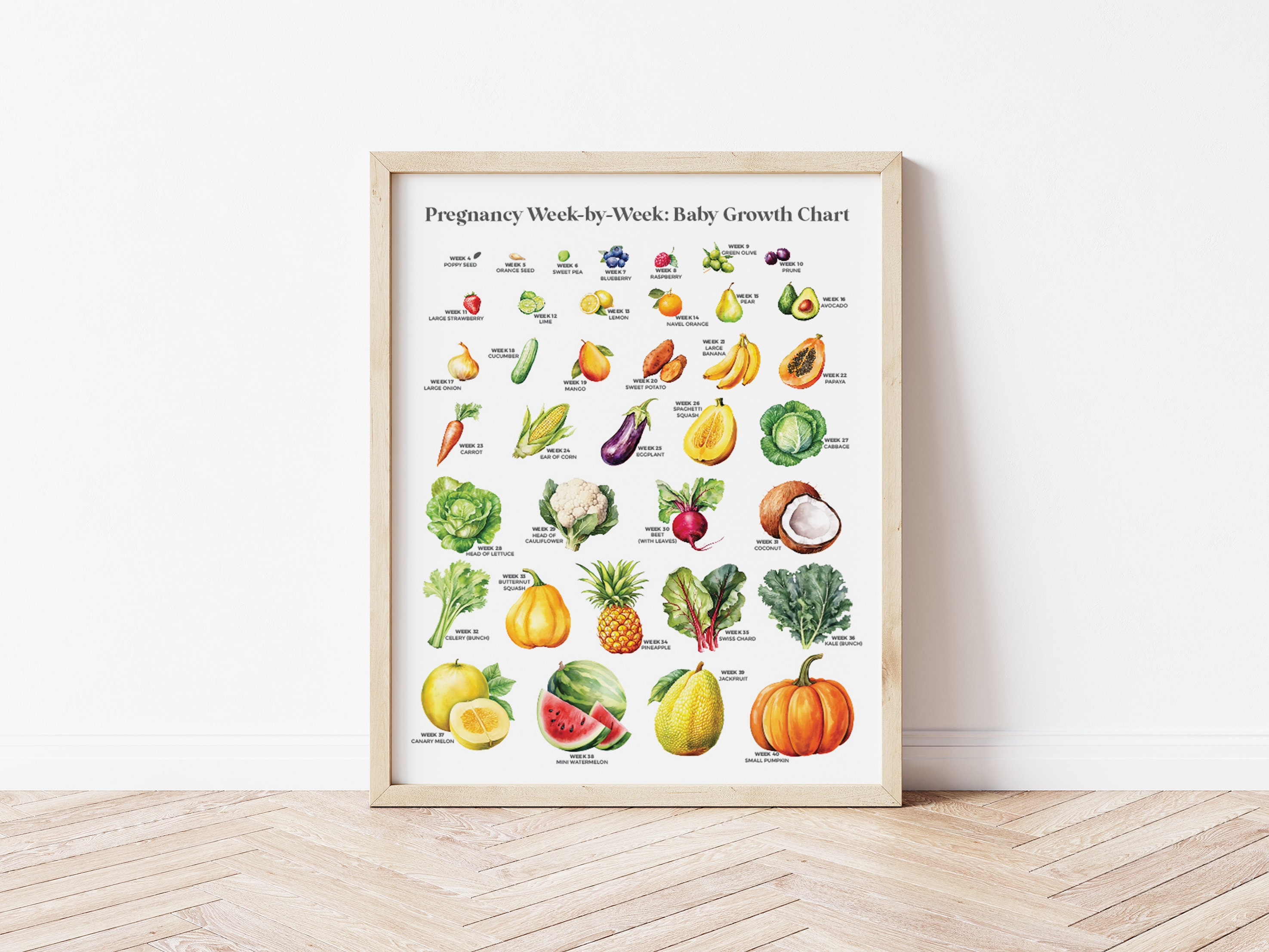
Here’s a simple and clear table showing the average 7 month pregnancy baby weight in kg along with length and size comparison. These are approximate values based on standard growth charts followed by Indian doctors.
| Week | Average Weight (kg) | Average Length (cm) | Size Like |
|---|---|---|---|
| 25 | 0.7 – 0.8 | 34 | Mango |
| 26 | 0.8 – 0.9 | 35–36 | Large avocado |
| 27 | 0.9 – 1.0 | 36–37 | Coconut |
| 28 | 1.0 – 1.2 | 37–38 | Eggplant |
| 29 | 1.2 – 1.4 | 38–39 | Small pumpkin |
| 30 | 1.3 – 1.5 | 39–40 | Cabbage |
Fetal Development at 7 Months Pregnant
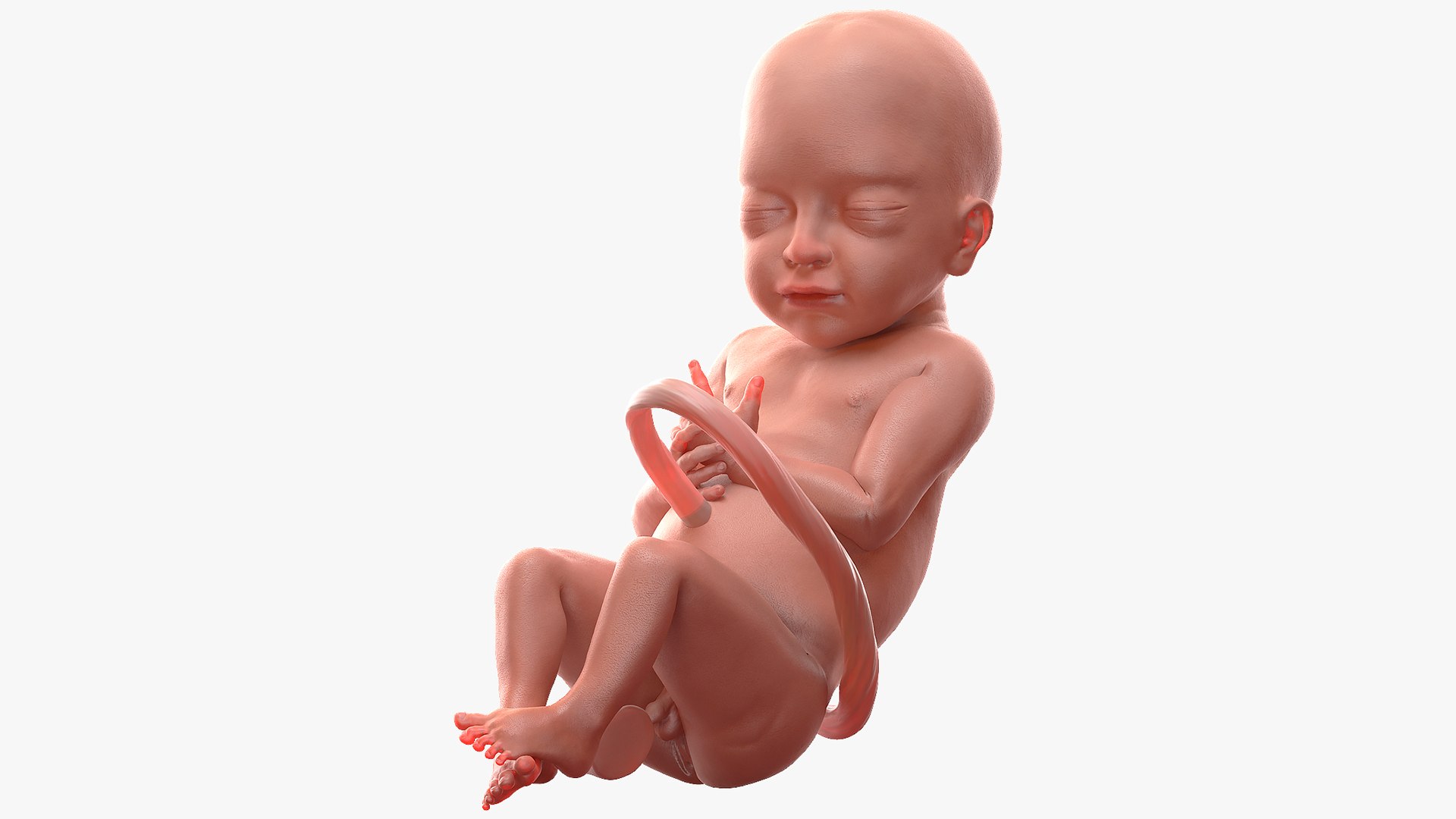
Weight gain is important, but so is what’s happening inside. Your baby is busy hitting several milestones:
- Eyes: Eyelids are opening and closing. They can now sense light coming through your belly.
- Hearing: Fully developed! Your voice, heartbeat, and even soft music or lullabies are clearly heard.
- Fat layers: Brown fat is building up — this helps the baby stay warm after birth and contributes to healthy weight gain.
- Lungs: Producing more surfactant, getting ready to breathe air.
- Brain: Growing rapidly with new nerve connections forming every day.
- Movements: Strong kicks, stretches, and even hiccups that you can feel.
Many moms say this is when they start feeling a real bond — those little movements make everything feel so real!
Changes You May Notice in Your Body
While your baby is growing, your body is working hard too. Common symptoms at 7 months include:
- Growing belly and tighter skin
- Backache and Braxton Hicks contractions
- Shortness of breath
- Swollen feet and ankles
- Heartburn and constipation
Rest when you can, sleep on your left side, and try gentle prenatal yoga or walks. These small changes help both you and your baby.
Indian Diet Tips to Support Healthy Baby Weight Gain
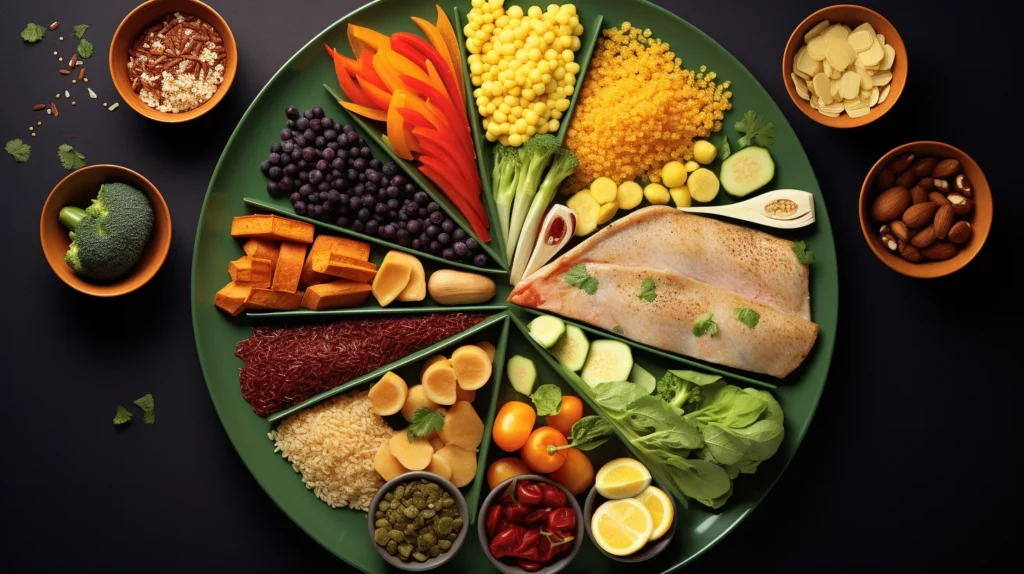
Nutrition plays the biggest role in reaching a good 7 month pregnancy baby weight in kg. You need about 300–450 extra calories daily now. Focus on protein, iron, calcium, and healthy fats — all easily available in Indian kitchens.
Key nutrients your baby needs right now:
- Protein: For muscle and tissue growth
- Iron & folate: To prevent anemia and support blood supply
- Calcium: For strong bones
- Omega-3 and healthy fats: For brain development
Sample daily Indian meal plan (Karnataka-friendly, 2500–2800 calories):
- Breakfast: Ragi dosa with sambar + glass of milk + almonds
- Mid-morning: Banana + roasted chana
- Lunch: 2 rotis + moong dal + palak paneer + curd + rice
- Evening snack: Pomegranate juice or fruit chaat + buttermilk
- Dinner: Khichdi with a spoon of ghee + mixed vegetable sabzi + salad
- Bedtime: Warm turmeric milk
Superfoods Indian moms swear by: moringa leaves (sajje soppu), amla, sweet potatoes, chickpeas, sesame seeds, and dates. Stay hydrated with 3–4 litres of water and avoid too many sweets or fried foods to keep sugar levels stable.

Factors That Affect 7 Month Pregnancy Baby Weight
Several things can influence your baby’s weight:
- Your diet and weight gain
- Genetics and family history
- Placental health
- Conditions like gestational diabetes, high blood pressure, or anaemia
- Stress levels and rest
- Whether this is your first or second pregnancy (later babies are often slightly heavier)
If you’re carrying twins, each baby may weigh a little less individually.
How to Monitor Your Baby’s Growth
- Do daily kick counts (10 movements in 2 hours after meals)
- Attend regular growth scans as advised by your doctor
- Track your own weight (about 0.5 kg per week is ideal now)
Your gynecologist will guide you based on your personal health.
When to Consult Your Doctor
Most variations in weight are normal, but contact your doctor immediately if:
- You notice a sudden drop in baby movements
- You have severe swelling, headaches, or blurred vision
- Your weight gain stops completely
- There is any bleeding or fluid leak
Early attention can make a big difference.
Lifestyle Tips for a Healthy 7th Month
- Light exercise: 30 minutes of walking or prenatal yoga daily
- Rest well and manage stress with meditation or family support
- Avoid smoking, alcohol, and excess caffeine
- Continue your prenatal vitamins as prescribed
🤰 Trusted Resources on Baby Weight & Pregnancy Growth
FAQs About 7 Month Pregnancy Baby Weight in Kg
What is the normal 7 month pregnancy baby weight in kg?
Most babies weigh between 1.0 and 1.2 kg at 28 weeks. A range of 0.9–1.4 kg is usually considered healthy.
Is a 1 kg baby weight at 7 months good?
Yes! It’s right on track for many babies.
How can I increase my baby’s weight naturally in the 7th month?
Eat frequent, nutrient-rich meals with dal, paneer, greens, fruits, and dairy. Follow your doctor’s advice.
Can stress affect baby weight?
Yes, long-term stress can impact growth. Try to stay relaxed.
What foods help increase fetal weight in India?
Protein-rich foods like dal, paneer, eggs, nuts, and iron-rich items like palak, beetroot, and pomegranate.
Is it normal if my baby is smaller than average?
Many babies catch up later. Your doctor will monitor the growth curve.