

Few things worry parents more than seeing their baby struggle with a cough or cold. A tiny cough can quickly turn into sleepless nights, feeding difficulties, and constant concern about whether the baby is comfortable and breathing properly.
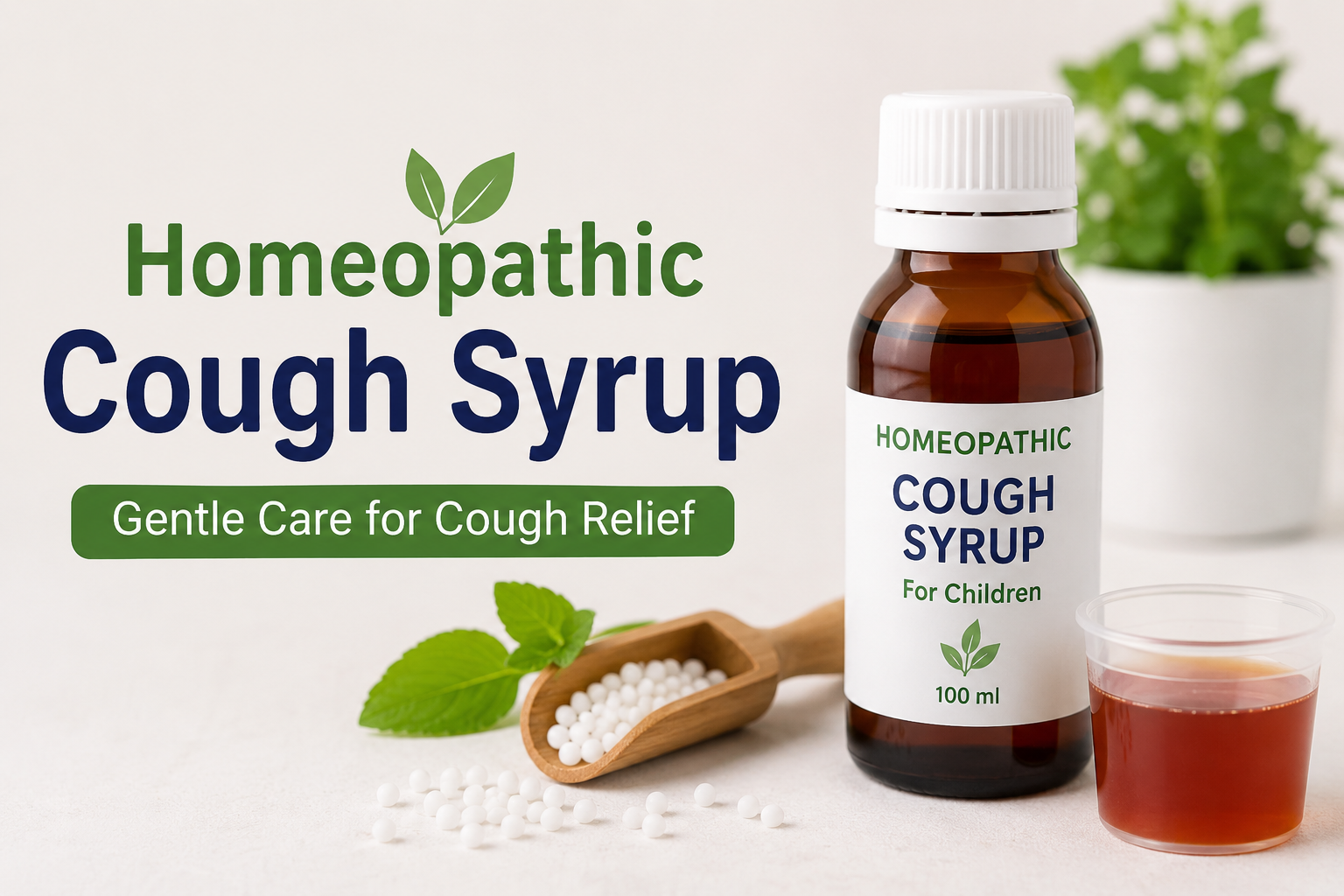
As parents search for ways to ease their baby’s discomfort, many come across homeopathic cough syrups. These products are often marketed as gentle alternatives and are commonly used by families seeking natural or holistic approaches to symptom relief.
But are homeopathic cough syrups safe for babies? Can they help with cough symptoms? And when should parents consult a doctor instead of relying on home remedies?
Keeping children healthy during seasonal illnesses involves proper nutrition, hydration, and care. Parents can also explore our Complete Baby Care Guide for more infant wellness tips.
In this guide, we’ll explore everything parents should know about homeopathic cough syrups for babies, including how they work, common ingredients, safety considerations, and important warning signs that require medical attention.
Medical Disclaimer: This article is intended for educational purposes only and should not be considered medical advice. Always consult a qualified pediatrician or healthcare professional before giving any medication, supplement, or homeopathic remedy to infants or young children.
Why Do Babies Develop Coughs?
Babies have developing immune systems, making them more susceptible to common respiratory infections and seasonal illnesses.
A cough is actually a protective reflex that helps clear the airways of mucus, irritants, and germs.
Common reasons babies may develop a cough include:
- Common cold
- Viral infections
- Seasonal weather changes
- Allergies
- Nasal congestion
- Exposure to dust or pollutants
- Post-nasal drip
In many cases, mild coughs improve on their own with time, rest, and supportive care.
A strong immune system plays an important role in recovery. Learn more about immunity-supporting foods such as rainy season fruits.
What Is Homeopathic Cough Syrup?
Homeopathic cough syrup is a liquid preparation based on the principles of homeopathy, an alternative system of medicine developed more than 200 years ago.
Homeopathic products typically contain highly diluted substances that are selected based on specific symptoms.
These syrups are commonly marketed for temporary relief of:
- Dry cough
- Irritating cough
- Throat tickling
- Mild cough associated with colds
- Seasonal cough symptoms
Different products contain different combinations of ingredients and may be intended for different age groups.
Why Parents Consider Homeopathic Remedies
Many parents prefer exploring gentle options before turning to stronger medications.
Some reasons parents choose homeopathic cough syrups include:
Easy Administration
Liquid syrups are generally easier for children to take than tablets or capsules.
Widely Available
Homeopathic remedies can be found in pharmacies, health stores, and online marketplaces.
Interest in Alternative Medicine
Some families prefer complementary or holistic healthcare approaches.
Symptom Support
Parents may use these products in hopes of easing mild cough-related discomfort.
Parents should focus on overall health and hygiene habits, including oral care with the right kids toothpaste.
Can Babies Take Homeopathic Cough Syrup?
This is one of the most frequently asked questions among new parents.
The answer depends on several factors:
- Baby’s age
- Overall health
- Severity of symptoms
- Product formulation
- Pediatrician’s advice
Babies under six months of age require special medical attention because even common illnesses can become serious more quickly than in older children.
Parents should avoid giving any medication or remedy to young infants without consulting a healthcare professional.
Common Ingredients Found in Homeopathic Cough Syrups
Different manufacturers use different formulations.
Some commonly used homeopathic ingredients include:
Bryonia
Traditionally used in homeopathy for dry cough symptoms that may worsen with movement.
Drosera
Often included in preparations intended for persistent or spasmodic coughs.
Spongia Tosta
Frequently associated with dry, barking cough symptoms in homeopathic practice.
Rumex Crispus
Traditionally used for throat irritation and cough triggered by cold air.
Ipecacuanha
Sometimes included in formulations intended for cough accompanied by mucus.
Aconitum Napellus
Often used in homeopathic preparations during the early stages of cold-like symptoms.
The exact ingredients vary depending on the product.
Many parents also explore nutrient-rich foods and traditional options such as amla for overall family wellness.
Potential Benefits Parents Look For
While scientific evidence supporting homeopathic treatments remains limited, parents often choose these products because they hope for:
Temporary Symptom Relief
Some families report improvement in mild cough symptoms.
Better Sleep
Reducing throat irritation may help babies and parents sleep more comfortably.
Soothing Effect
Liquid preparations can sometimes provide comfort during illness.
Gentle Approach
Many parents appreciate products marketed as mild or non-sedating.
Many parents also explore nutrient-rich foods and traditional options such as amla for overall family wellness.
Home Care Tips for Babies With a Cough
Whether or not a parent chooses a homeopathic remedy, supportive care remains extremely important.
Continue Breastfeeding
Breast milk provides hydration and important immune-supporting nutrients.
Keep the Baby Hydrated
For older infants, appropriate fluids can help maintain hydration.
Use a Cool-Mist Humidifier
Adding moisture to the air may help reduce throat irritation and congestion.
Maintain a Comfortable Sleeping Environment
A calm, comfortable environment supports rest and recovery.
Clear Nasal Congestion
Pediatricians may recommend saline drops and gentle nasal suctioning for babies with blocked noses.
When a Baby’s Cough May Need Medical Attention
Parents should contact a healthcare provider if a baby experiences:
Difficulty Breathing
Rapid breathing, wheezing, or visible chest retractions require immediate medical evaluation.
High Fever
Any significant fever in a young infant should be assessed promptly.
Poor Feeding
Reduced milk intake can increase the risk of dehydration.
Persistent Cough
A cough that continues for an extended period should be evaluated.
Unusual Sleepiness
Excessive lethargy may indicate a more serious illness.
Bluish Lips or Skin
This is a medical emergency requiring immediate attention.
Common Myths About Homeopathic Cough Syrup
Myth 1: Natural Means Completely Safe
Even natural products can have risks, side effects, or interactions.
Myth 2: Every Cough Requires Medication
Many mild viral coughs improve with time and supportive care.
Myth 3: Homeopathic Remedies Can Replace Medical Care
Persistent or severe symptoms always require professional evaluation.
Myth 4: More Medicine Means Faster Recovery
Giving extra doses is never recommended and may increase risk.
How to Choose a Cough Remedy Safely
If parents are considering a cough remedy, they should:
- Consult a pediatrician first
- Read product labels carefully
- Follow age recommendations
- Use only reputable brands
- Monitor for unusual reactions
Safety should always come before convenience.
Frequently Asked Questions
Is homeopathic cough syrup safe for babies?
Parents should always consult a pediatrician before giving any cough remedy to infants.
Can a 4-month-old baby take homeopathic cough syrup?
Infants under six months require special care. Medical guidance is recommended before using any medication or remedy.
How long does a baby’s cough usually last?
Many mild viral coughs improve within one to two weeks, though recovery times vary.
What helps a baby’s cough naturally?
Hydration, breastfeeding, humidified air, rest, and following pediatric advice may help provide comfort.
When should I take my baby to the doctor for a cough?
Seek medical care if your baby has breathing difficulties, fever, poor feeding, dehydration, or worsening symptoms.
Supporting Your Baby Through a Cold
When babies become sick, parents often feel helpless. The good news is that most mild coughs improve with time, rest, hydration, and proper care.
Rather than focusing only on medications, parents should pay close attention to:
- Comfort
- Hydration
- Feeding patterns
- Sleep quality
- Breathing
These factors often provide the clearest picture of how a baby is recovering.
References & Resources
| Topic | Resource |
|---|---|
| Common Cold & Cough in Children | CDC – Common Cold Information |
| Children’s Respiratory Health | American Academy of Pediatrics (AAP) |
| When to Seek Medical Care for a Cough | NHS – Cough Overview |
Conclusion
Homeopathic cough syrups are a popular option among parents seeking alternative approaches to managing cough symptoms in children. However, babies—especially infants under six months—require extra caution when it comes to any medication or remedy.
While some families choose homeopathic products as part of their approach to symptom management, professional medical advice remains essential. Understanding the cause of the cough, monitoring symptoms carefully, and seeking prompt medical care when needed are the most important steps parents can take.
Supporting children’s health involves good nutrition, hygiene, and age-appropriate care. Explore our baby care guide for more parenting resources.
A baby’s health and safety should always come first. When in doubt, consult your pediatrician to ensure your little one receives the most appropriate care and support during illness.