
Editorial Note: This article has been reviewed using recommendations from the American Academy of Pediatrics (AAP), the Academy of Nutrition and Dietetics, the Indian Council of Medical Research (ICMR), and the World Health Organization (WHO). Protein requirements vary depending on a child’s age, health, and activity level. Speak with your pediatrician or a registered dietitian if you have concerns about your child’s nutritional intake.
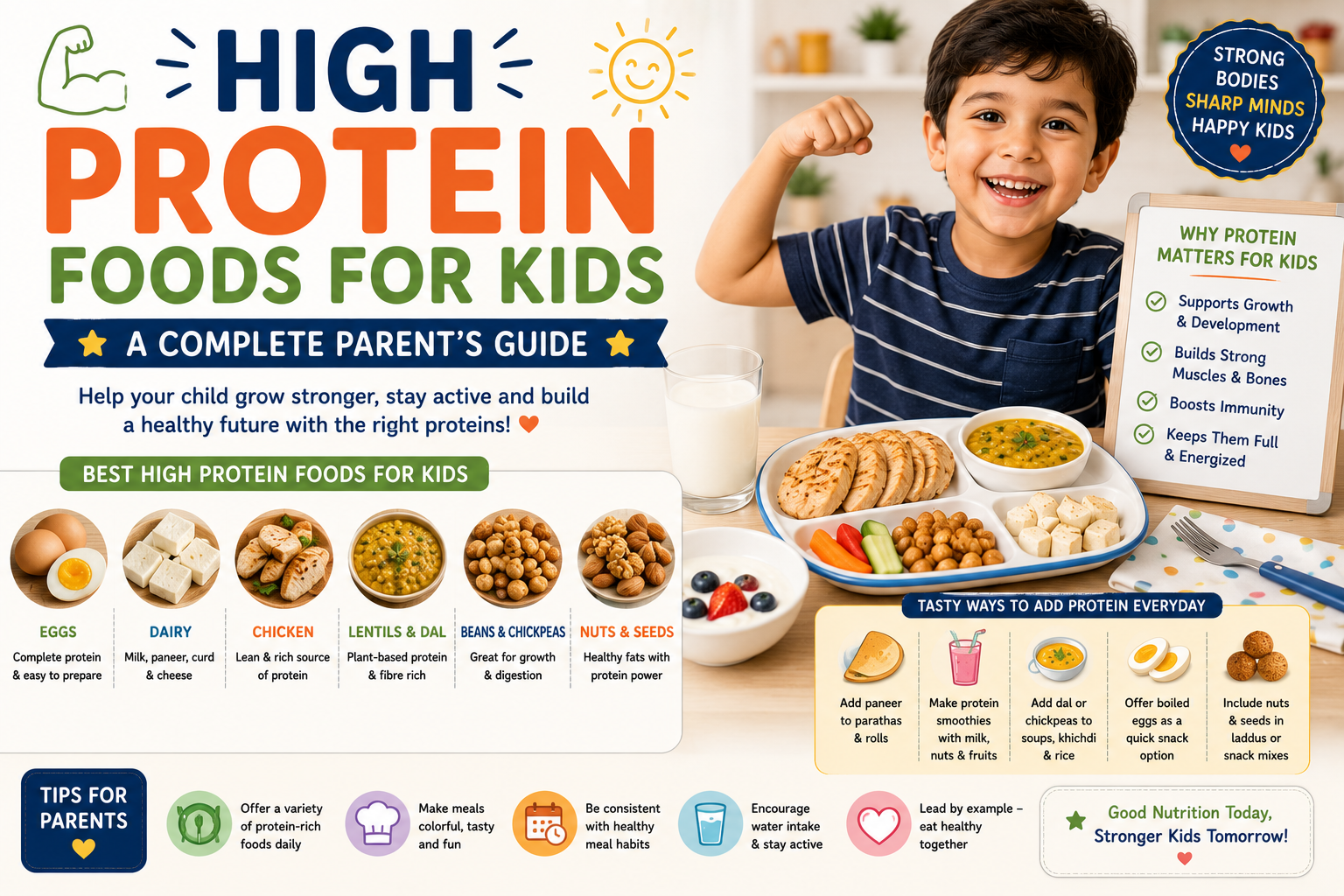
Protein is one of the most important nutrients for growing children. It helps build muscles, bones, skin, hormones, enzymes, and supports healthy growth and immune function. While many parents worry that their children aren’t eating enough protein, most healthy children can meet their protein needs through a balanced diet without relying on protein powders or supplements.
This guide covers the best high protein foods for kids, age-wise protein requirements, healthy meal ideas, vegetarian and non-vegetarian protein sources, and practical tips to include more protein in your child’s daily diet.
If you’re planning healthy meals for your child, you may also enjoy these MomSaathi articles:
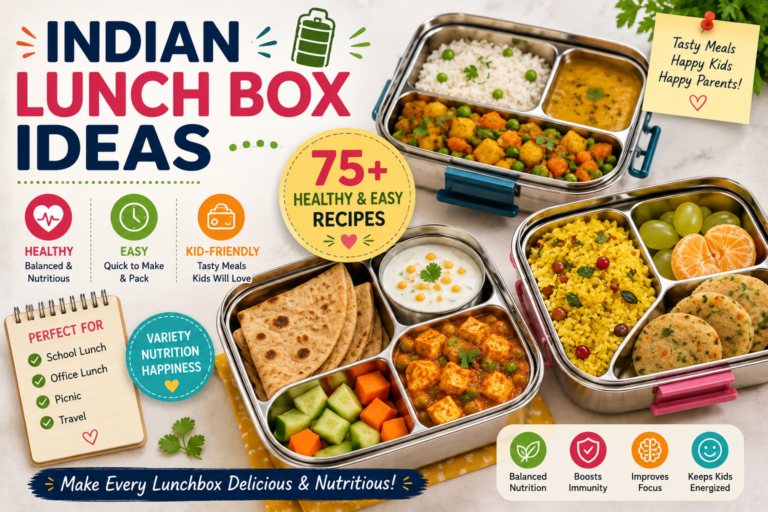
Indian Lunch Box Ideas
Baby Food Chart (0–24 Months)
3-Year-Old Daily Routine
Quick Answer
The best high protein foods for kids include eggs, milk, yogurt, paneer, cheese, lentils, chickpeas, beans, tofu, soy products, chicken, fish, lean meat, nuts, seeds, and nut butters (age-appropriate). Combining these foods with fruits, vegetables, and whole grains helps children receive balanced nutrition for healthy growth.
Why Is Protein Important for Kids?
Protein is made up of amino acids, which are the building blocks of the body.
Children need protein to:
- Support healthy growth
- Build and repair muscles
- Strengthen bones
- Develop healthy skin and hair
- Produce enzymes and hormones
- Support brain development
- Maintain a healthy immune system
- Help repair body tissues after illness or injury
How Much Protein Do Kids Need?
Protein needs vary based on age, growth, and activity level.
| Age | Approximate Daily Protein Requirement* |
|---|---|
| 1–3 years | Around 13 g |
| 4–8 years | Around 19 g |
| 9–13 years | Around 34 g |
| 14–18 years | Higher needs depending on age and sex |
*Requirements vary by individual circumstances and dietary guidelines. Consult your pediatrician or a registered dietitian if your child has special nutritional needs.
Best High Protein Foods for Kids
1. Eggs
Eggs are one of the highest-quality protein sources for children.
Benefits
- High-quality protein
- Choline for brain development
- Vitamin D
- Vitamin B12
Easy serving ideas:
- Boiled eggs
- Omelets
- Egg sandwiches
- Egg muffins
2. Milk
Milk naturally provides protein along with calcium and vitamin D.
Good options include:
- Cow’s milk
- Fortified soy milk (when appropriate)
Serve with:
- Breakfast
- Smoothies
- Oats
3. Yogurt
Plain yogurt or Greek yogurt provides protein and probiotics that support gut health.
Ideas:
- Fruit yogurt bowl
- Smoothies
- Yogurt parfait
4. Paneer (Cottage Cheese)
Paneer is one of the best vegetarian protein sources.
Try:
- Paneer cubes
- Paneer wraps
- Paneer bhurji
- Paneer paratha
5. Cheese
Cheese provides protein and calcium but should be eaten in moderation due to its sodium and saturated fat content.
Good choices:
- Cheese cubes
- Sandwiches
- Homemade pizza
- Pasta
6. Lentils (Dal)
Dal is a staple protein-rich food in many Indian homes.
Popular varieties:
- Moong dal
- Masoor dal
- Toor dal
- Urad dal
Serve with:
- Rice
- Chapati
- Khichdi
7. Chickpeas (Chana)
Chickpeas are rich in both protein and fiber.
Recipe ideas:
- Chole
- Chickpea salad
- Hummus
- Roasted chana
8. Kidney Beans (Rajma)
Rajma provides plant protein, iron, and fiber.
Serve with:
- Brown rice
- Jeera rice
- Whole wheat wraps
9. Soy Products
Soy foods are complete plant protein sources.
Healthy options:
- Tofu
- Soy chunks
- Fortified soy milk
- Tempeh
10. Chicken
Skinless chicken is an excellent lean protein source.
Healthy preparations:
- Grilled
- Baked
- Homemade wraps
- Soups
11. Fish
Fish provides protein along with healthy omega-3 fats.
Examples:
- Salmon
- Sardines
- Rohu
- Indian mackerel
Choose age-appropriate, well-cooked, deboned fish.
12. Lean Meat
Lean cuts of meat provide:
- Protein
- Iron
- Zinc
- Vitamin B12
Trim visible fat before cooking.
13. Peanut Butter
Spread on:
- Whole wheat toast
- Apple slices (age-appropriate)
- Banana sandwiches
Choose varieties without added sugar whenever possible.
14. Nuts and Seeds
For older children who can safely eat them, nuts and seeds provide protein and healthy fats.
Options include:
- Almonds
- Walnuts
- Pistachios
- Pumpkin seeds
- Sunflower seeds
- Chia seeds
Avoid whole nuts for children under 5 years because of choking risk. Use smooth nut butters instead when appropriate.
15. Oats
Oats contain more protein than many other breakfast cereals and pair well with milk, yogurt, fruits, and nuts.
High-Protein Vegetarian Foods for Kids
Excellent vegetarian choices include:
- Paneer
- Yogurt
- Milk
- Cheese
- Lentils
- Chickpeas
- Rajma
- Black beans
- Soy chunks
- Tofu
- Quinoa
- Oats
- Peanut butter
- Seeds
A well-planned vegetarian diet can provide sufficient protein for growing children.
High-Protein Breakfast Ideas
- Vegetable omelet with toast
- Paneer paratha
- Greek yogurt with fruits
- Oats cooked in milk
- Moong dal chilla
- Besan chilla with yogurt
- Peanut butter toast
- Egg sandwich
- Smoothie with milk and yogurt
- Idli with sambar
Including protein-rich foods throughout the day helps children stay energized, supports healthy growth, and keeps them feeling full for longer. The key is to offer a variety of nutritious foods instead of relying on a single protein source.
If you’re looking for more healthy meal inspiration, explore these MomSaathi guides:
Indian Lunch Box Ideas
Baby Food Chart (0–24 Months)
3-Year-Old Daily Routine
High-Protein Lunch Ideas for Kids
Lunch should provide a balance of protein, healthy carbohydrates, vegetables, and healthy fats.
Healthy Lunch Ideas
1. Paneer Paratha + Yogurt
A delicious vegetarian meal rich in protein and calcium.
2. Rajma Rice
Kid-friendly and packed with plant protein and fiber.
3. Egg Fried Rice
Use brown rice and plenty of vegetables.
4. Chicken Wrap
Whole wheat chapati filled with grilled chicken and vegetables.
5. Dal Khichdi
Easy to digest and ideal for toddlers and young children.
6. Chickpea Salad Wrap
Protein-rich and perfect for lunch boxes.
7. Paneer Vegetable Sandwich
Whole wheat bread with paneer, cucumber, carrots, and tomatoes.
8. Soy Chunk Pulao
A high-protein vegetarian lunch.
9. Fish with Rice and Vegetables
Choose low-mercury fish suitable for children and remove all bones before serving.
10. Quinoa Vegetable Bowl
Top with paneer or tofu for extra protein.
High-Protein Snack Ideas
Healthy snacks can bridge the gap between meals.
Good options include:
- Greek yogurt with fruit
- Roasted chana
- Paneer cubes
- Cheese cubes
- Boiled eggs
- Homemade hummus with vegetables
- Peanut butter on whole wheat toast
- Trail mix (for older children)
- Smoothies with milk and yogurt
- Sprout salad
Weekly High-Protein Meal Plan
| Day | Protein-Rich Meal |
|---|---|
| Monday | Paneer Paratha + Yogurt |
| Tuesday | Rajma Rice |
| Wednesday | Egg Sandwich |
| Thursday | Dal Khichdi |
| Friday | Chicken Wrap |
| Saturday | Soy Chunk Pulao |
| Sunday | Fish Curry with Rice |
Rotating meals throughout the week helps provide a variety of nutrients.
Protein-Rich Foods for Picky Eaters
If your child is selective about food, try:
- Mini paneer cubes
- Cheese sandwiches
- Fruit smoothies with yogurt
- Protein-rich pancakes made with oats and eggs
- Homemade vegetable muffins with cheese
- Dal dosa
- Peanut butter banana sandwiches
- Mini egg muffins
- Paneer tikka bites
- Yogurt parfaits
Offer new foods alongside familiar favorites without forcing your child to eat.
Signs Your Child May Not Be Getting Enough Protein
True protein deficiency is uncommon in healthy children with access to a balanced diet, but inadequate intake over time may contribute to:
- Poor growth
- Muscle weakness
- Frequent illness
- Slow wound healing
- Fatigue
- Hair thinning
- Reduced appetite
These symptoms can have many causes and should be evaluated by a healthcare professional rather than self-diagnosed.
Can Kids Have Protein Powder?
Most healthy children do not need protein powders because they can meet their protein needs through regular foods.
Protein supplements should only be used if recommended by a pediatrician or registered dietitian, such as in certain medical conditions or when dietary intake cannot meet nutritional needs.
Whole foods remain the preferred source of protein because they also provide vitamins, minerals, fiber, and healthy fats.
Tips to Increase Protein Naturally
Simple ways to boost protein intake include:
- Add paneer to parathas and sandwiches.
- Serve yogurt with meals.
- Include dal every day.
- Use nut butter on toast (age-appropriate).
- Add beans to salads and rice dishes.
- Mix seeds into smoothies or oatmeal.
- Include eggs several times a week if your family eats them.
- Offer roasted chana as a snack.
- Pair whole grains with legumes for complementary plant proteins.
Foods That Are Often Mistaken for High-Protein Foods
Some foods are healthy but contain only modest amounts of protein.
These include:
- White rice
- Most fruits
- Fruit juices
- Potatoes
- Cornflakes
- Biscuits
- Chips
These foods can be part of a balanced diet but should not be relied upon as primary protein sources.
Common Mistakes Parents Should Avoid
- Depending on protein supplements without medical advice.
- Offering processed meats frequently.
- Serving the same protein source every day.
- Ignoring vegetables and whole grains.
- Giving oversized portions.
- Replacing balanced meals with snack foods.
- Assuming picky eating always means protein deficiency.
Balance and variety are more important than consuming excessive protein.
Frequently Asked Questions
Which food has the highest protein for kids?
Eggs, chicken, fish, paneer, Greek yogurt, lentils, chickpeas, soy products, and beans are among the richest protein sources for children.
How much protein does my child need?
Protein needs depend on age, growth, and activity level. Most healthy children meet their needs through a varied, balanced diet.
Are eggs good for children?
Yes. Eggs provide high-quality protein along with choline, vitamin B12, and other important nutrients.
Which vegetarian foods are high in protein?
Paneer, yogurt, lentils, chickpeas, beans, soy products, tofu, quinoa, and milk are excellent vegetarian protein sources.
Can children eat protein bars?
Most commercial protein bars are designed for adults and may contain added sugars or high amounts of protein. Homemade snacks or whole foods are usually better choices for children.
Is peanut butter a good protein source?
Yes. Peanut butter provides protein and healthy fats, but choose varieties without added sugar and serve age-appropriate portions.
Is too much protein harmful?
Very high protein intake is generally unnecessary for healthy children. A balanced diet that includes protein, fruits, vegetables, whole grains, and healthy fats is recommended.
What is the best protein-rich breakfast?
Options include eggs, paneer paratha, yogurt with fruit, oatmeal made with milk, moong dal chilla, or besan chilla.
Should children drink protein shakes?
Healthy children usually do not need protein shakes. Consult your child’s healthcare provider before using supplements.
Can toddlers eat high-protein foods?
Yes. Toddlers can enjoy foods such as yogurt, paneer, lentils, eggs (if introduced safely), beans, and soft tofu in age-appropriate portions.
Final Thoughts
Choosing the right high protein foods for kids doesn’t have to be complicated. Everyday foods like eggs, milk, yogurt, paneer, lentils, beans, soy products, fish, and lean meats can easily provide the protein children need for healthy growth and development.
Rather than focusing on increasing protein alone, aim to create balanced meals that include fruits, vegetables, whole grains, healthy fats, and a variety of protein sources. Encouraging healthy eating habits early in life can support your child’s long-term health and relationship with food.
Continue your healthy eating journey with these MomSaathi resources:
Indian Lunch Box Ideas
Baby Food Chart (0–24 Months)
3-Year-Old Daily Routine
4-Year-Old Learning Activities
First Day of Preschool Tips
Emotional Development by Age
Trusted External Resources
For evidence-based nutrition information, visit:
- HealthyChildren.org (American Academy of Pediatrics): https://www.healthychildren.org/
- Academy of Nutrition and Dietetics: https://www.eatright.org/
- World Health Organization (WHO) – Healthy Diet: https://www.who.int/news-room/fact-sheets/detail/healthy-diet
- Indian Council of Medical Research (ICMR): https://www.icmr.gov.in/
- Food Safety and Standards Authority of India (FSSAI): https://www.fssai.gov.in/
These organizations provide trusted guidance on child nutrition, balanced diets, food safety, and healthy eating habits for growing children.
[…] High Protein Foods for Kids Indian Lunch Box Ideas Baby Food Chart (0–24 Months) […]
[…] Scrubs High Protein Foods for Kids Brain Development […]
[…] Janmashtami Wishes Indian Lunch Box Ideas High Protein Foods for Kids […]
[…] Indian Lunch Box Ideas Brain Development Foods High Protein Foods for Kids […]