

Edited by: MomSaathi Editorial Team
Reviewed by: Based on relevant research and trusted global sources
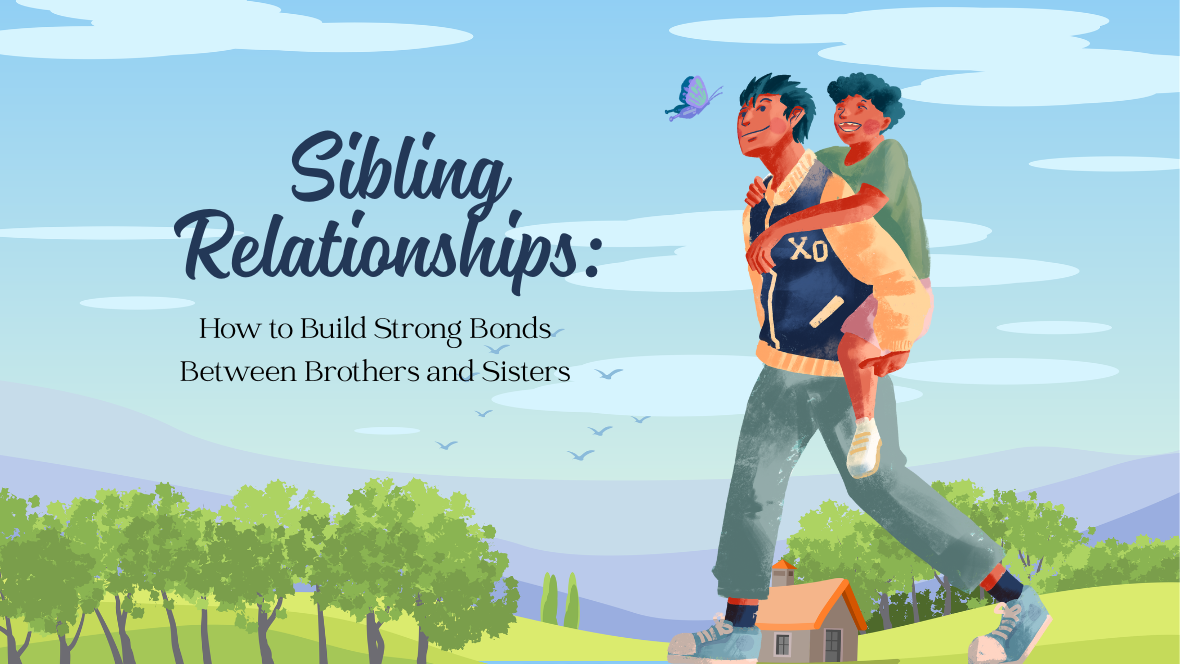
Relationships with siblings are some of the longest-lasting connections in a person’s life. From childhood to adulthood, brothers and sisters play a crucial role in emotional development, social skills, and overall family dynamics.
Learning how to help siblings get along not only reduces conflicts but also builds strong bonds that can last a lifetime.
Why Sibling Relationships Are Important
Sibling relationships influence many aspects of a child’s growth. Positive interactions help children develop:
- Kindness and empathy
- Cooperation and teamwork
- Problem-solving skills
- Emotional resilience
Even conflicts between siblings can be valuable learning experiences. They teach children how to handle disagreements and develop coping skills.
Studies suggest that strong sibling relationships are linked to higher self-esteem and better mental health in adulthood.
Common Problems in Sibling Relationships
Conflicts between siblings are completely normal. However, understanding the causes can help parents manage them better.
Common reasons include:
- Age differences
- Personality clashes
- Competition for attention
- Unequal parental time or focus
Sibling rivalry may appear as teasing, arguments, or fights over toys and resources. While occasional disagreements are healthy, constant tension may need parental guidance.
How to Help Siblings Get Along
Parents and caregivers play a key role in building healthy sibling relationships. Here are some practical strategies:
1. Encourage Cooperation Over Competition
Promote activities where siblings work together instead of competing.
2. Spend Quality Time Together
Encourage shared activities like playing, reading, or hobbies.
3. Teach Respectful Communication
Guide children to express feelings calmly and listen to each other.
4. Celebrate Individuality
Appreciate each child’s unique strengths without comparison.
5. Teach Empathy
Help children understand and respect each other’s eThe Role of Parents in Sibling Relationships
Parents have a strong influence on how siblings interact.
- Avoid favoritism
- Listen to both sides during conflicts
- Set clear and consistent rules
- Provide emotional support
Creating a fair and supportive environment helps reduce rivalry and builds trust among siblings.
When to Be Concerned
While occasional fights are normal, parents should pay attention if:
- Conflicts become frequent or aggressive
- One child is consistently dominant or withdrawn
- Emotional distress is visible
In such cases, guidance and support become essential.
Frequently Asked Questions
Why are sibling relationships important?
They help children develop emotional skills, social behavior, and lifelong support systems.
Is sibling rivalry normal?
Yes, it is a natural part of growing up and helps children learn conflict resolution.
How can parents reduce sibling fights?
By encouraging cooperation, setting rules, and avoiding comparisons.
When should parents intervene in sibling conflicts?
When conflicts become frequent, intense, or emotionally harmful.
Final Thoughts
Sibling relationships play a vital role in shaping a child’s emotional and social development. While conflicts are a normal part of growing up, the right guidance can turn these moments into valuable life lessons.
By encouraging respect, empathy, and cooperation, parents can help siblings build strong, lifelong bonds.
🔗 Expert Insights & Resources
- Learn about diaper safety and baby hygiene —
Healthline - Parenting insights on diaper usage and storage —
Parents.com - Medical guidance on baby skin care and hygiene —
American Academy of Dermatology - Global child care recommendations —
UNICEF Parenting
[…] 👉 How to Build Strong Bonds Between Siblings […]
[…] 👉 How to Build Strong Bonds Between Siblings […]