
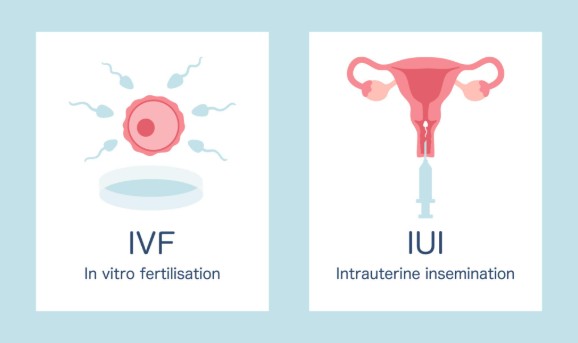


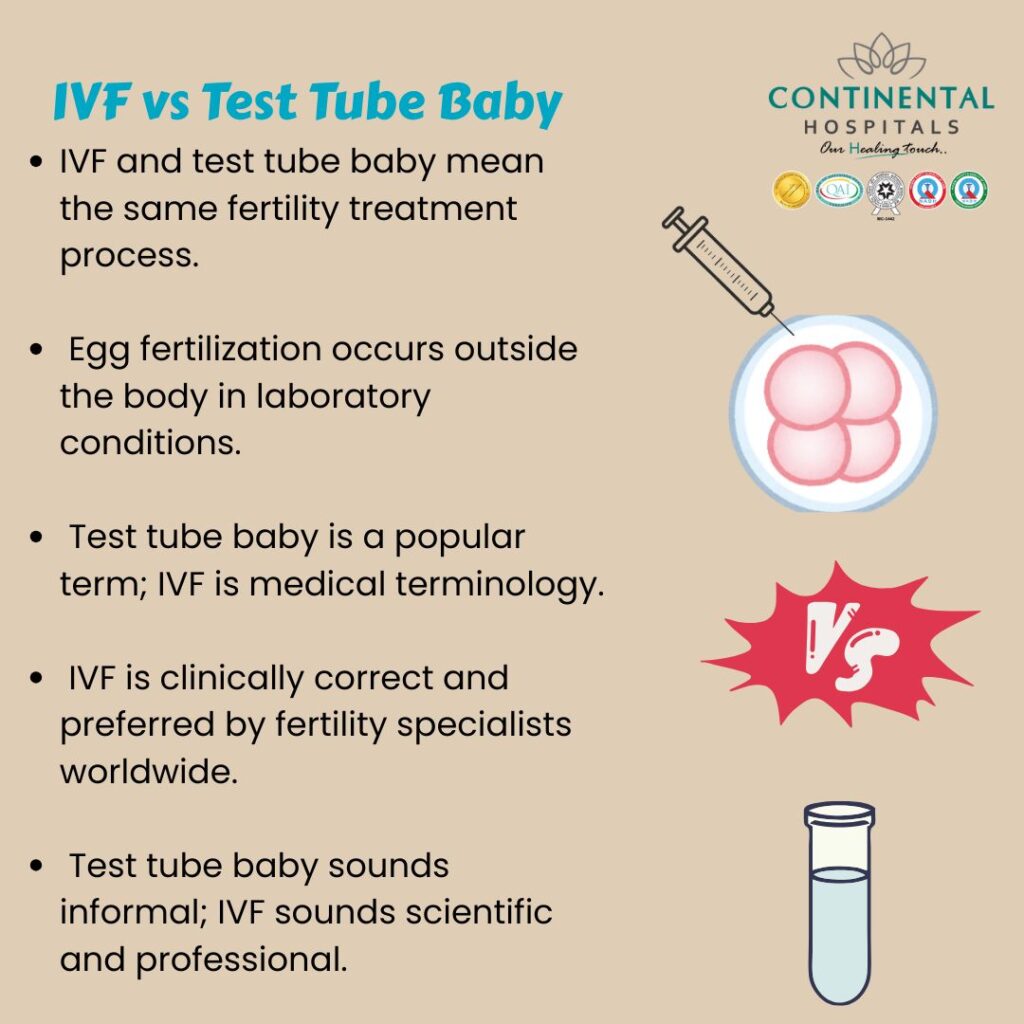
Infertility can be an emotional and challenging journey for many couples trying to conceive. Fortunately, modern fertility treatments like IVF (In Vitro Fertilization) and IUI (Intrauterine Insemination) have helped millions of couples achieve pregnancy.
Both treatments are widely used, but they differ in procedure, cost, success rates, and suitability for different fertility issues. Understanding the differences between IVF and IUI can help couples make informed decisions about the right fertility treatment.
If you are planning pregnancy, understanding the fertility treatment options is an important step in your journey.
What Is IUI (Intrauterine Insemination)?
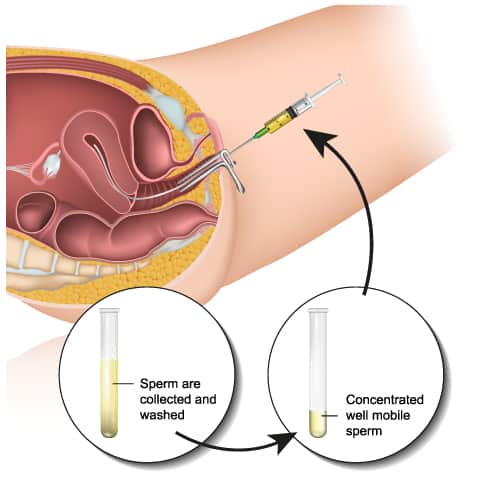
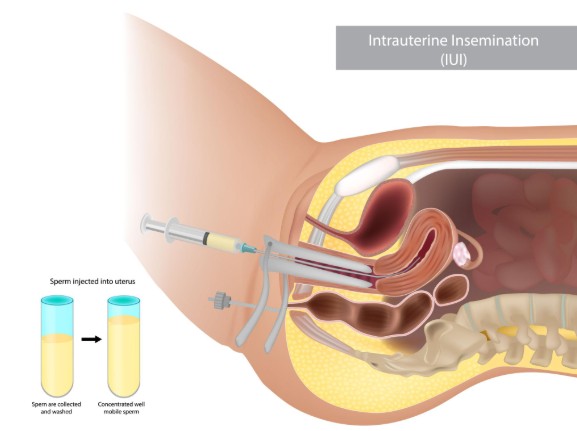

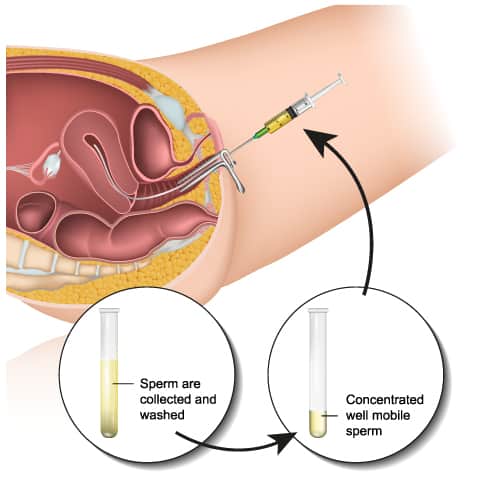
IUI (Intrauterine Insemination) is a fertility treatment where specially prepared sperm is placed directly into a woman’s uterus during ovulation. This increases the chances of fertilization by helping sperm reach the egg more easily.
The IUI process typically includes:
• Ovulation monitoring
• Sperm collection and preparation
• Insertion of sperm into the uterus using a thin catheter
IUI is considered a less invasive and more affordable fertility treatment compared to IVF.
According to medical experts, IUI is often recommended for couples with mild fertility issues or unexplained infertility.
External reference:
https://www.mayoclinic.org/tests-procedures/intrauterine-insemination/about/pac-20384722
What Is IVF (In Vitro Fertilization)?
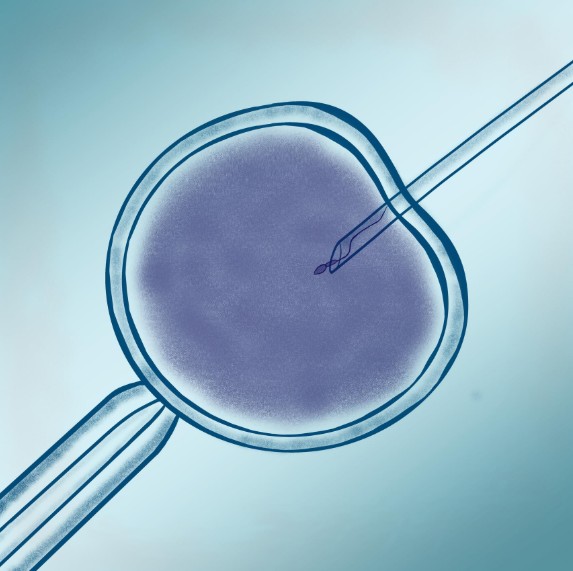
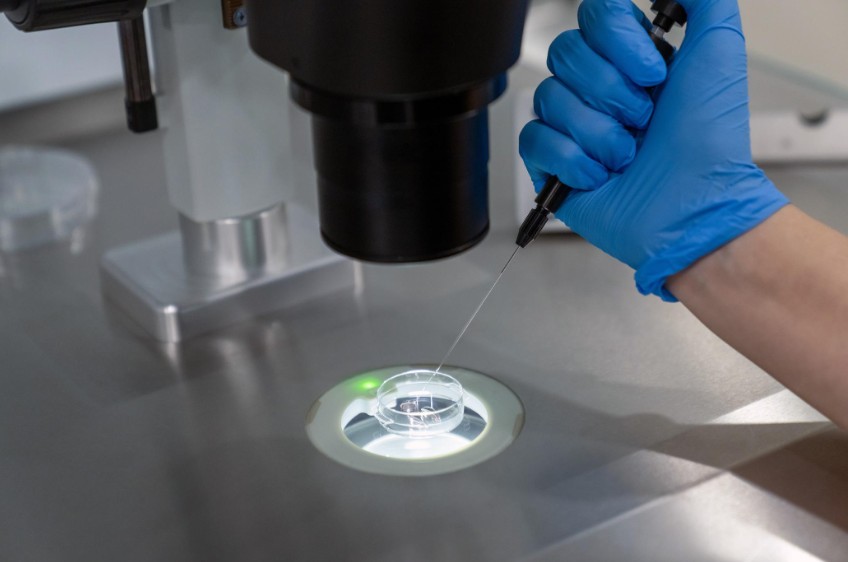
IVF (In Vitro Fertilization) is a more advanced fertility treatment where eggs and sperm are combined in a laboratory to create embryos. The fertilized embryo is then transferred into the woman’s uterus.
The IVF process usually involves:
• Hormonal stimulation to produce multiple eggs
• Egg retrieval from the ovaries
• Fertilization of eggs in a laboratory
• Embryo development and monitoring
• Embryo transfer into the uterus
IVF is commonly recommended for couples with blocked fallopian tubes, severe male infertility, or long-term infertility.
External reference:
https://www.nhs.uk/conditions/ivf/
IVF vs IUI – Key Differences
| Feature | IUI | IVF |
|---|---|---|
| Procedure | Sperm inserted directly into uterus | Egg fertilized with sperm in lab |
| Complexity | Simple procedure | Advanced fertility treatment |
| Cost | Lower | Higher |
| Success Rate | Lower | Higher |
| Time Required | Shorter | Longer process |
| Recommended For | Mild fertility issues | Severe infertility cases |
Success Rate: IVF vs IUI
Success rates vary depending on age, health, and fertility issues.
Average success rates:
IUI success rate
• 10% – 20% per cycle
IVF success rate
• 40% – 60% depending on age
IVF generally has higher success rates because fertilization happens in a controlled laboratory environment.
You can learn more about fertility health and pregnancy preparation before choosing a treatment.
Cost Comparison: IVF vs IUI (India)
| Treatment | Average Cost in India |
|---|---|
| IUI | ₹10,000 – ₹25,000 per cycle |
| IVF | ₹1,00,000 – ₹2,50,000 per cycle |
The cost may vary depending on the clinic, city, and additional treatments required.
When Do Doctors Recommend IUI?
Doctors may suggest IUI in the following situations:
• Mild male infertility
• Cervical mucus problems
• Unexplained infertility
• Ovulation disorders
• Couples trying fertility treatment for the first time
The <a href=”https://www.nhs.uk/conditions/ivf/” target=”_blank” rel=”nofollow noopener”>NHS IVF treatment guide</a> explains that IVF involves fertilizing an egg with sperm in a laboratory before transferring the embryo into the uterus.
When Is IVF Recommended?
IVF may be recommended when:
• Fallopian tubes are blocked
• Severe male infertility is present
• IUI cycles have failed
• Endometriosis affects fertility
• Couples have been trying to conceive for many years
IVF vs IUI – Which One Is Better?
The answer depends on the couple’s fertility condition.
IUI may be better if:
• Fertility issues are mild
• Couples want a less expensive option
• It is the first fertility treatment attempt
IVF may be better if:
• There are serious fertility problems
• Previous IUI attempts failed
• Higher success rates are needed
A fertility specialist can evaluate the couple’s medical history and recommend the most suitable treatment.
According to the <a href=”https://www.mayoclinic.org/tests-procedures/intrauterine-insemination/about/pac-20384722″ target=”_blank” rel=”nofollow noopener”>Mayo Clinic guide on intrauterine insemination</a>, IUI improves the chances of fertilization by placing sperm directly inside the uterus during ovulation.
Tips for Couples Considering Fertility Treatments
• Consult a qualified fertility specialist
• Maintain a healthy lifestyle
• Eat a balanced fertility-friendly diet
• Manage stress levels
• Follow medical advice carefully
Understanding pregnancy preparation and reproductive health can improve the chances of successful conception.
According to the <a href=”https://www.who.int/news-room/fact-sheets/detail/infertility” target=”_blank” rel=”nofollow noopener”>World Health Organization infertility report</a>, infertility affects millions of couples worldwide and assisted reproductive technologies like IVF and IUI help many achieve pregnancy.
Conclusion
Both IVF and IUI are effective fertility treatments that have helped many couples achieve pregnancy. While IUI is simpler and more affordable, IVF offers higher success rates and is suitable for more complex fertility issues.
Choosing the right treatment depends on factors like age, medical history, and fertility diagnosis. Consulting a fertility expert is the best way to determine the most suitable option for your situation.