
MomSaathi.com provides content for informational and educational purposes only. It is not intended to serve as a substitute for professional medical advice, diagnosis, or treatment. Always consult a gynecologist, pediatrician, or mental health professional before making changes to your health routine during pregnancy or postpartum.
Motherhood transforms a woman’s body, emotions, and daily life in profound ways. From navigating pregnancy nutrition and hormonal shifts to embracing postpartum recovery and prioritizing mental well-being, focusing on your health is vital—not just for you, but for your baby’s thriving too. This comprehensive guide, tailored for Indian mothers in 2026, offers practical, expert-backed tips to support physical, emotional, and mental wellness throughout pregnancy and beyond. Whether you’re expecting in Bengaluru’s bustling life or balancing parenting across Karnataka, these insights draw from WHO, ICMR, and Indian health guidelines to help you feel empowered.
If you’re also tending to a newborn, check out our Complete Baby Care Guide for tips on feeding, sleep, and early milestones.
Pregnancy Health and Prenatal Care
Pregnancy is a pivotal phase where your health directly influences your baby’s development. Regular prenatal visits allow doctors to track fetal growth, spot any issues early, and keep you in top shape. In India, guidelines from the Ministry of Health and Family Welfare recommend at least 4–8 checkups, including ultrasounds, blood tests, and vaccinations like tetanus toxoid.
Healthcare experts emphasize balanced nutrition, light exercise, and stress management to minimize risks like gestational diabetes or hypertension—common in urban areas like Bengaluru due to lifestyle factors.
According to the World Health Organization (WHO), consistent prenatal care can reduce maternal and infant complications by up to 30%.
Essential Nutrition During Pregnancy
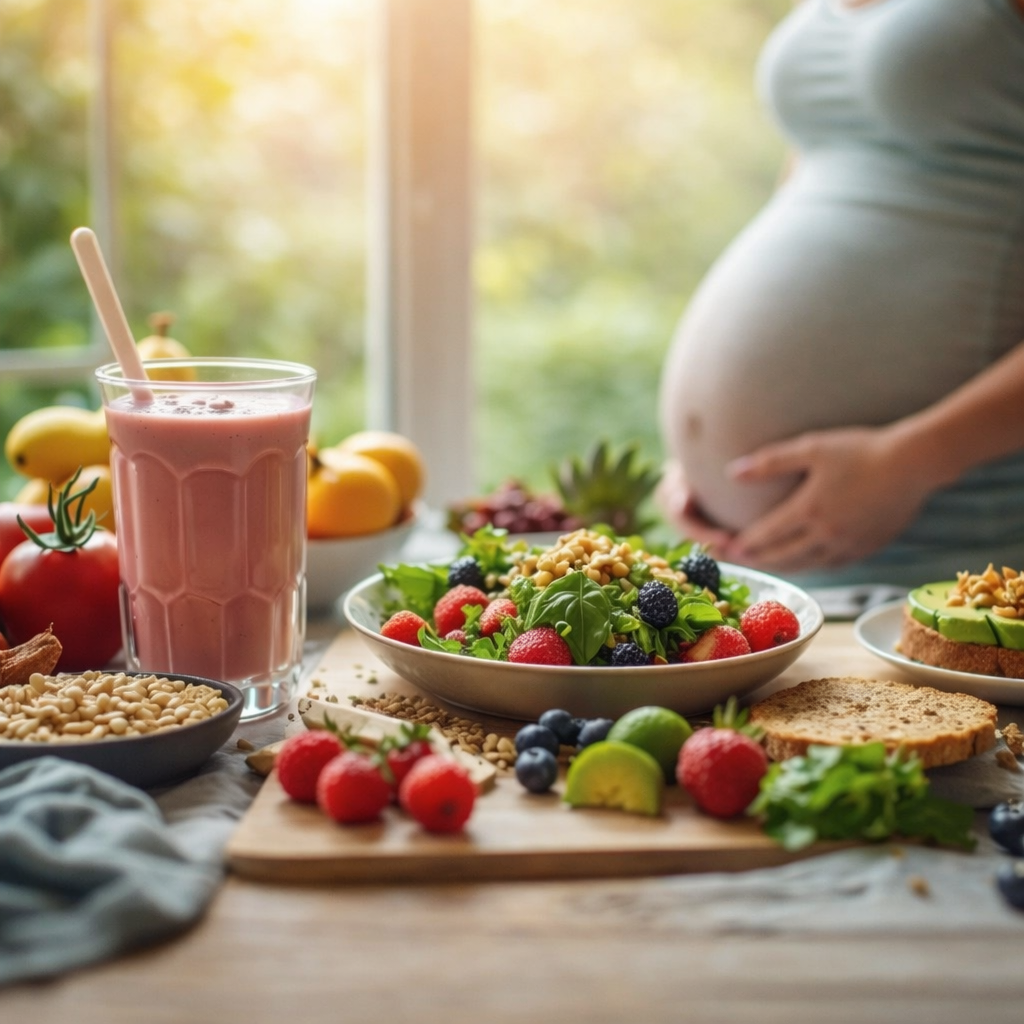
Nutrition fuels fetal growth and helps you stay energized. Key nutrients include:
- Folic Acid: Essential for brain and spine development; aim for 400–600 mcg daily from sources like spinach (palak) or supplements.
- Iron: Prevents anemia, affecting 50% of Indian pregnant women; include beetroot, jaggery (gur), and lentils (dal).
- Calcium: Builds strong bones; get it from dairy like curd or paneer, or fortified ragi.
- Protein: Supports tissue repair; opt for eggs, pulses, and nuts.
- Omega-3 Fatty Acids: Boosts brain health; found in walnuts, flaxseeds (alsi), or low-mercury fish.
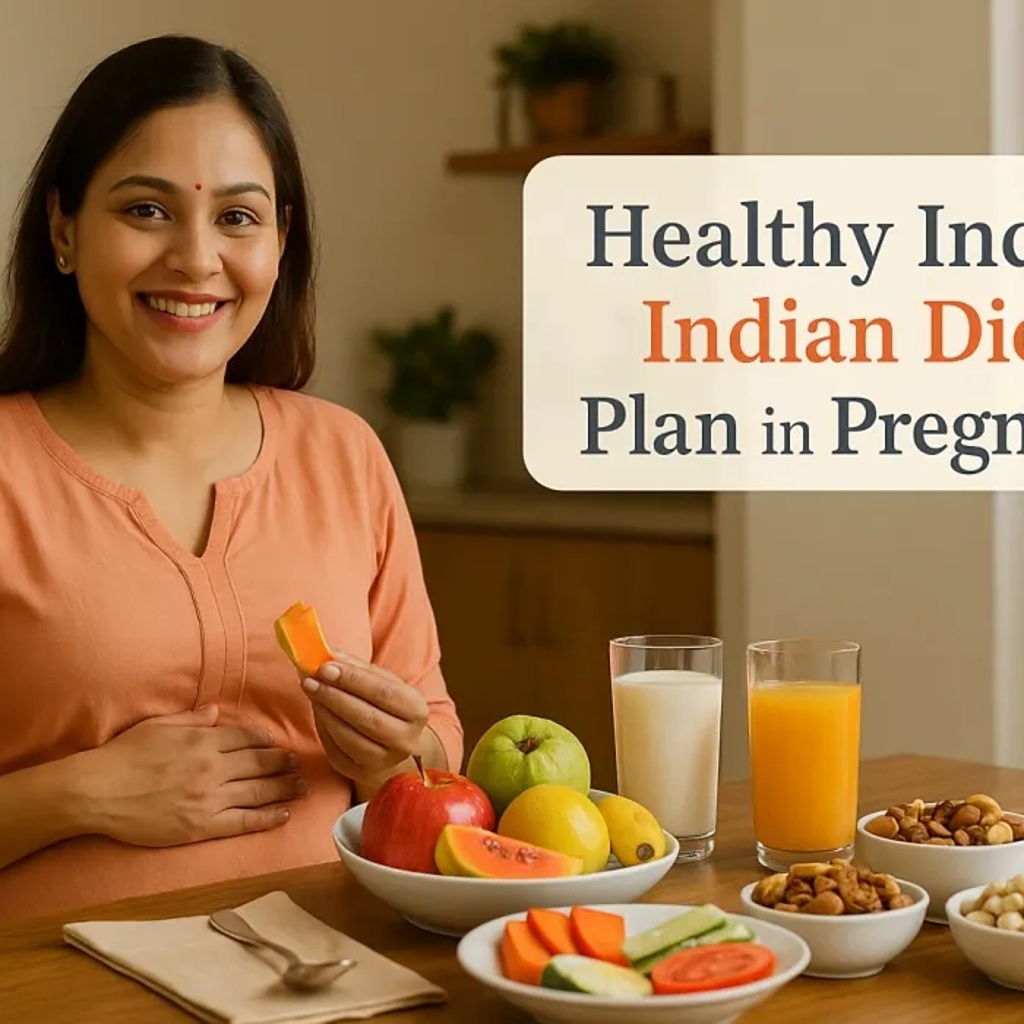
Incorporate Indian staples: leafy greens (methi, palak), whole grains (ragi, jowar), fruits (guava, pomegranate), and legumes. Stay hydrated with 8–10 glasses of water daily to maintain amniotic fluid and circulation. Avoid excessive caffeine or street foods to prevent infections.
Postpartum Recovery After Delivery
Often dubbed the “fourth trimester,” the postpartum period (up to 6–8 weeks post-birth) involves your body healing from labor while adjusting to motherhood. Hormones fluctuate, and new routines emerge, making rest and support crucial.
In India, traditional practices like “jaapa” (confinement with family help) can aid recovery, but blend them with modern medical advice.
Physical Recovery After Birth
Your body undergoes several changes:
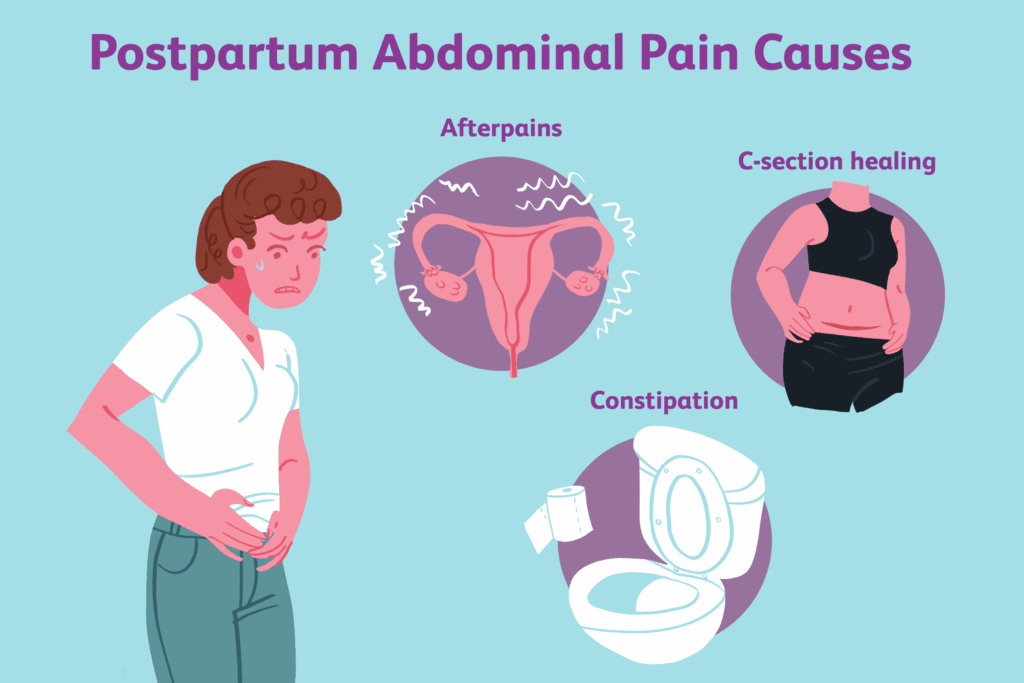
- Uterine contraction and healing (involution).
- Hormonal shifts leading to night sweats or mood dips.
- Breast engorgement from milk production.
- Fatigue from sleep disruptions and blood loss.
To recover smoothly: Prioritize nutrient-rich meals (e.g., methi laddoo for lactation), get gentle walks after C-section clearance, and use herbal oils for massages. If you had a vaginal delivery, watch for perineal pain; for C-sections, monitor incision sites.
Pelvic Floor Health
Childbirth can strain pelvic muscles, leading to issues like incontinence. Kegel exercises—contracting and releasing pelvic floor muscles 10–15 times, 3 sets daily—help restore strength. Start post-approval from your doctor.
If symptoms like urine leaks or pain persist, consult a physiotherapist. In Bengaluru, centers like Cloudnine offer specialized postpartum pelvic care.


Oral Health for Mothers
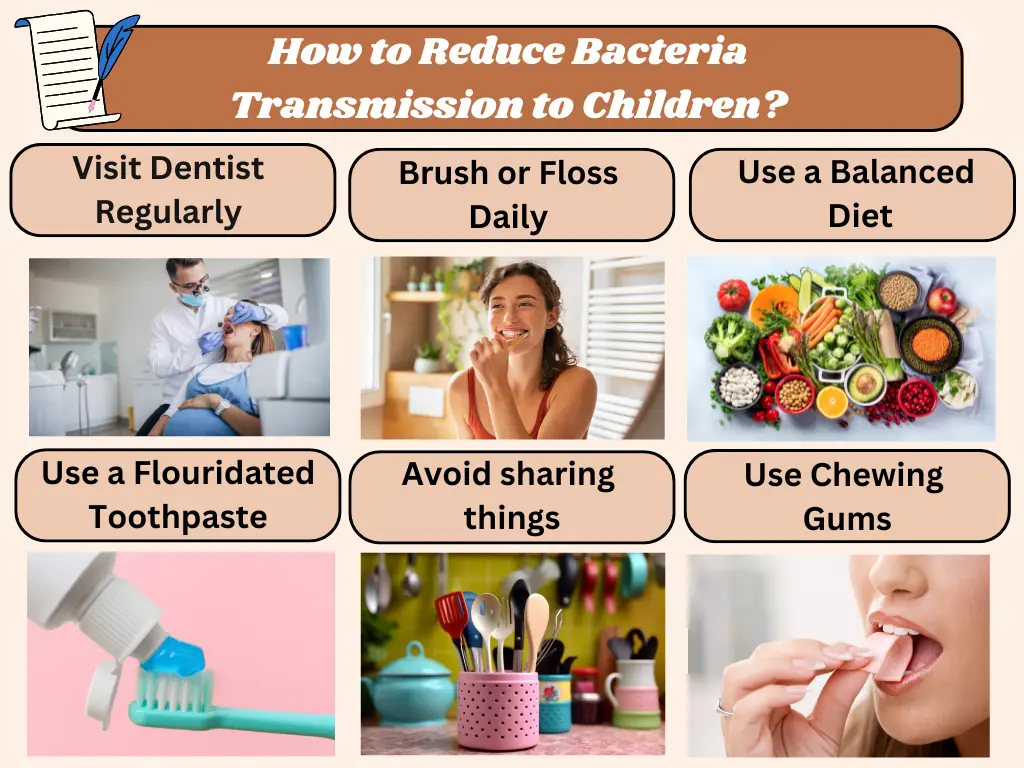
Pregnancy hormones can cause gum swelling (gingivitis) or cavities, as elevated estrogen increases plaque buildup. Poor oral health may link to preterm birth risks, per Indian Dental Association studies.
Maintain routines: Brush twice daily with fluoride toothpaste, floss, and rinse with saltwater. Limit sweets and visit a dentist every 6 months. For more, read our Oral Care for Moms During Pregnancy and Postpartum.
Hormonal Health and Body Changes
Hormones like estrogen and progesterone surge during pregnancy, then drop postpartum, affecting everything from mood to metabolism.
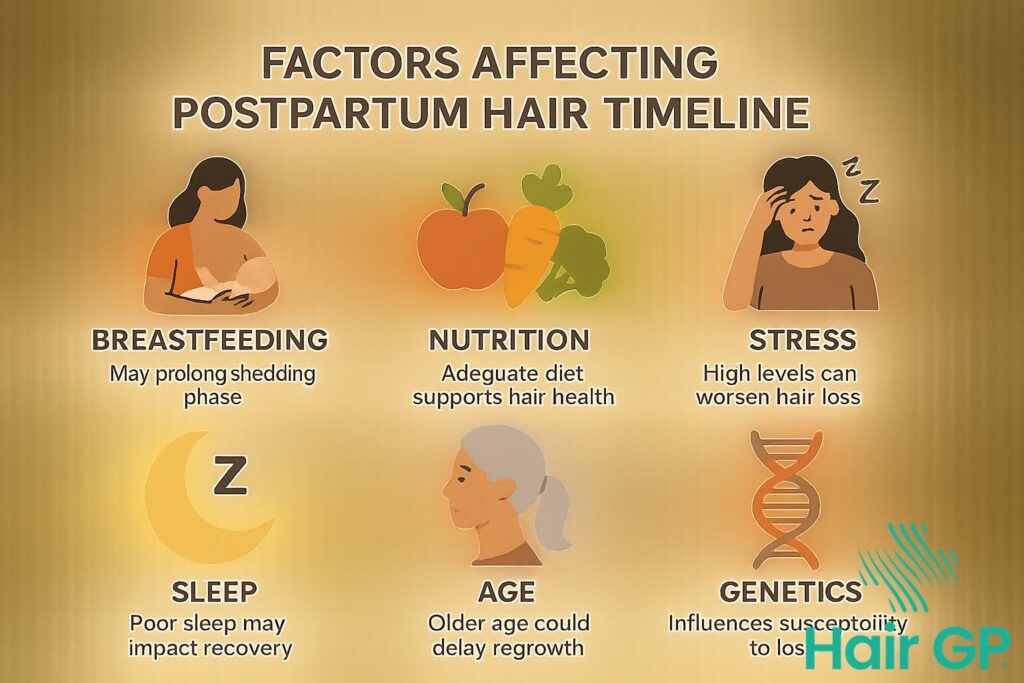
Common experiences: Fatigue, temporary hair loss (telogen effluvium), mood swings, and irregular periods resuming 6–12 months post-breastfeeding. To balance: Eat hormone-supporting foods (e.g., ashwagandha tea, omega-rich seeds), exercise moderately (yoga or walks), and sleep 7–8 hours when possible.
Mental Wellness and Emotional Health
Motherhood’s joys often come with emotional highs and lows, amplified by sleep deprivation and societal pressures in India.
Baby Blues
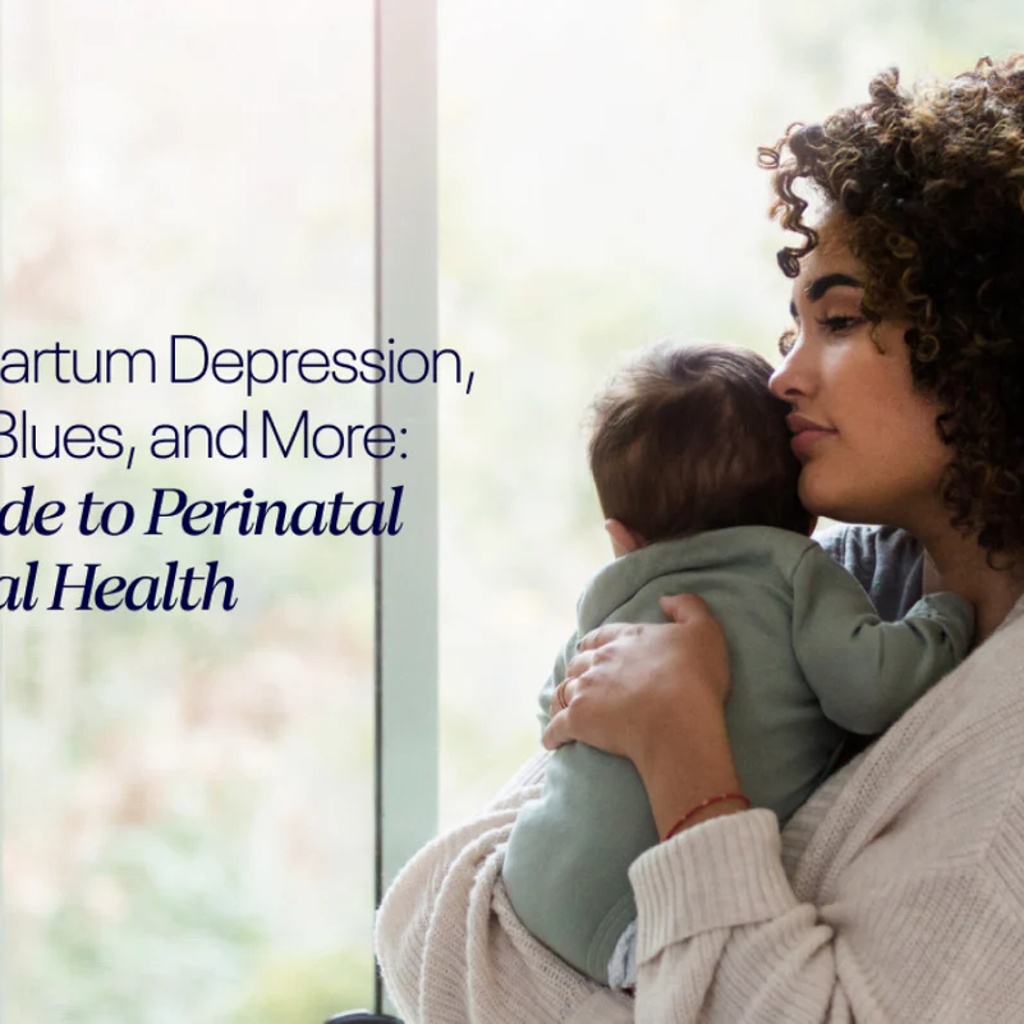
Affecting 70–80% of new moms, “baby blues” involve short-term weepiness, irritability, or insomnia, peaking 3–5 days post-birth and fading in 2 weeks. Hormonal drops and adjustment to baby care trigger it. Cope with family support and short naps.
Postpartum Depression
If blues linger beyond 2 weeks, it could be postpartum depression (PPD), impacting 10–15% of Indian mothers. Signs: Deep sadness, disinterest in activities, bonding struggles, or anxiety. Seek help via counseling—apps like YourDOST or clinics in Karnataka offer affordable sessions. Early intervention is key.
Self-Care Tips for Mothers
Moms often put family first, but self-care sustains you long-term. Here’s a simple weekly self-care plan to make it interactive and easy to follow:
| Day | Focus Activity | Quick Tip |
|---|---|---|
| Monday | Nutrition Boost | Prepare a methi tea or nut snack |
| Tuesday | Light Exercise | 20-min yoga or Bengaluru park walk |
| Wednesday | Emotional Check-In | Journal or call a friend |
| Thursday | Rest & Hydrate | Nap during baby’s sleep; drink herbal water |
| Friday | Pamper Time | Home facial or oil massage |
| Saturday | Family Bonding | Delegate chores; enjoy downtime |
| Sunday | Reflection | Plan next week; seek help if needed |
Remember, a healthy mom means a happy family.
When Mothers Should See a Doctor
Most changes are normal, but red flags need prompt care:
- Heavy vaginal bleeding (soaking a pad hourly).
- Severe headaches or vision changes (possible preeclampsia).
- High fever or chills (infection risk).
- Breathing issues or chest pain.
- Intense sadness, thoughts of harm, or panic attacks.
In India, use government schemes like Pradhan Mantri Surakshit Matritva Abhiyan for free checkups. Bengaluru residents: Head to BBMP clinics or private hospitals like Manipal.
Frequently Asked Questions
How long does postpartum recovery take?
It varies—physical healing in 6–8 weeks, but full emotional and hormonal adjustment may take 6–12 months. C-section moms might need longer.
Is exercise safe after childbirth?
Yes, start with light walks 1–2 weeks post-vaginal birth (or 4–6 weeks post-C-section, per doctor). Avoid heavy lifting until cleared.
Why is maternal nutrition important?
It aids healing, boosts milk supply, maintains energy, and prevents deficiencies common in Indian diets.
How can mothers manage stress?
Try mindfulness apps (e.g., Calm), yoga, family time, or journaling. If overwhelming, professional therapy helps.
Final Thoughts
Motherhood’s journey is beautiful yet demanding—prioritizing your health through nutrition, recovery, and mental care builds resilience for you and your child. In 2026, with accessible resources in Karnataka, embrace support systems for a fulfilling experience. Stay strong, Indian moms!
Related Articles on MomSaathi.com:
- Pregnancy Tips India 2026 — Essential things every expecting parent should know, including nutrition, exercise, and more for Indian contexts.
- Postpartum Body & Recovery: A Gentle Guide for New Mothers — A practical recovery guide covering body changes, self-care, nutrition, and healing tips (perfect match for postpartum recovery).
- First 1000 Days Nutrition India – Guide for Indian Parents (Pregnancy to 2 Years) — Covers complementary feeding and baby nutrition from 6–24 months, including 6–12 months stage with ragi, dal, khichdi, etc. (ideal for 4–12 months feeding & nutrition focus).
External Resources:
- WHO Maternal Health Guidelines — Official WHO page on maternal health, including pregnancy, childbirth, and postnatal care recommendations.
- WHO recommendations on maternal health: guidelines approved by the WHO Guidelines Review Committee, 2nd ed. — Consolidated summary of all current WHO maternal health recommendations (great for detailed, evidence-based guidelines).
- ICMR-NIN Dietary Guidelines for Indians (2024 update) — Official ICMR/NIN guidelines with nutrition recommendations, including for mothers/pregnancy/lactation (focus on balanced diets, My Plate, and additional needs during motherhood).
- Guidance Note on Optimizing Postnatal Care (MoHFW/NHM, India) — Official Indian Ministry of Health & Family Welfare resources under NHM, including postnatal/postpartum care guidelines, booklets, and operational notes for maternal recovery and newborn care.