
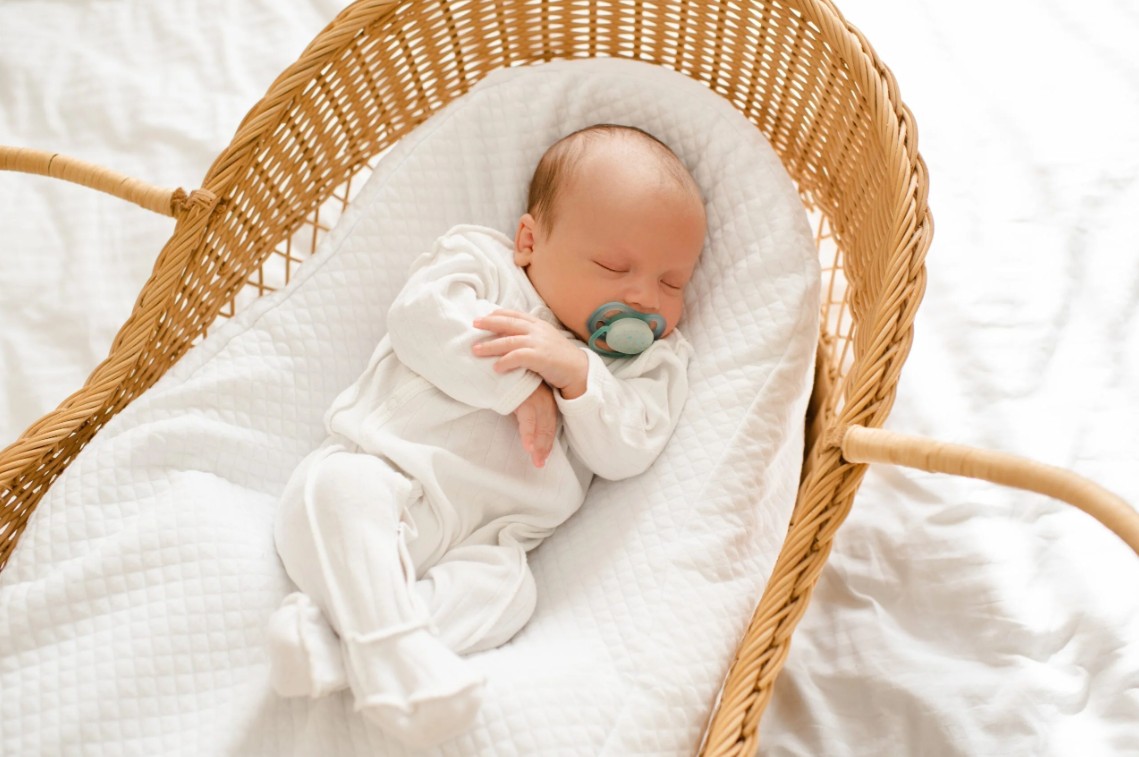

 As an Indian mom raising a little one in the USA, those 3 a.m. moments hit differently. You hear your baby let out a sudden cry, whimper, or even a sharp gasp—your heart races, but when you peek into the crib, they’re still fast asleep, eyes closed, breathing steady. No full wake-up, no need for feeding or rocking… yet the sound keeps you wide awake wondering:
Why does my baby cry in sleep but not wake up?
You’re not alone. This is one of the most common nighttime worries for new parents in the US (and yes, it spikes in Google searches every year!). The good news? In most cases, it’s completely normal—and often a sign your baby’s brain and body are doing exactly what they’re supposed to. Let’s break it down gently, with trusted AAP (American Academy of Pediatrics) guidelines mixed with practical Desi wisdom that many Indian-American families swear by.
Common Reasons Why Babies Cry, Grunt, or Gasp in Sleep (Without Fully Waking)
Babies’ sleep is very different from adults’. Newborns and infants spend up to 50% of sleep in active REM (light sleep), with short cycles of 40–60 minutes. During transitions between cycles—or even within them—strange noises happen. For more on understanding newborn sleep patterns, check our Complete Baby Care Guide for Indian Parents (0–12 Months).
Here are the top normal causes:
- Sleep Cycle Transitions (The #1 Reason) Your baby drifts from deep sleep to lighter REM sleep. Their developing nervous system isn’t fully smooth yet, so they may fuss, whimper, cry out briefly, or grunt without ever opening their eyes. Many babies self-soothe and slide back into deeper sleep within seconds or minutes. This is super common in the first 6–12 months and peaks during growth spurts or developmental leaps (like the famous 4-month sleep regression). For more on sleep regressions, check our guide: Newborn Sleep Regression Tips.
- Digestive Sounds & Gas (Grunting Baby Alert!) Why does my baby grunt in sleep? Newborn tummies are immature. They process milk, pass gas, or have tiny bowel movements even while sleeping. Grunting helps them push air out or coordinate breathing with digestion. You might hear low throaty grunts, sighs, or even a “pig-like” sound—totally normal unless it’s constant and labored. Cleveland Clinic explains baby grunting in sleep as a common, harmless noise from small nasal passages and active sleep.
- Breathing Adjustments & Noisy Respiration Why does my baby gasp for air while sleeping or breathe fast? Small nasal passages, learning to breathe through the nose, or brief pauses (5–10 seconds) in newborns can cause gasping, snorting, or fast breathing. In light sleep, they might moan or cry out as airways adjust. AAP notes irregular breathing is normal in young infants.
- Moro Reflex or Startle
That sudden arm-flail cry? The Moro reflex (startle) can trigger a brief cry even in sleep, especially if not swaddled. It fades by 4–6 months. For more on early reflexes and soothing techniques, see our First 30 Days with a Newborn: Realistic Survival Guide.
- Teething, Overtiredness, or Mild Discomfort Emerging teeth, being overtired from a busy day, or minor stuffiness can cause fussing without full waking. During leaps (e.g., rolling, babbling milestones), the brain processes so much that nighttime cries increase. Explore our Gentle Parenting Tips for Developmental Leaps.
- When It’s Not Normal (Red Flags to Watch) Most sleep cries are harmless, but call your pediatrician or seek help if:
- Grunting after every breath or constant labored breathing
- Pauses longer than 10 seconds + color change (blue lips)
- Fever, excessive crying when awake, or poor feeding
- Noisy breathing persists past 3–4 months without improvement
Always trust your mama instinct—better safe than sorry! If concerned, refer to CDC’s guidance on sudden infant death and safe sleep.
AAP Safe Sleep Guidelines 2026: What Every NRI Mom Needs to Know
The American Academy of Pediatrics’ latest safe sleep recommendations (updated 2022, still current in 2026) focus on reducing SIDS and sleep-related risks. Follow these for peace of mind:
- Back to Sleep Always: Place baby on their back for every nap and night (even if they roll later).
- Firm, Flat Surface: Use a crib, bassinet, or play yard with a firm mattress and fitted sheet—no pillows, blankets, bumpers, or toys.
- Room-Sharing, Not Bed-Sharing: Share the room (not bed) for at least 6 months, ideally 1 year.
- No Soft Items: Keep loose blankets, stuffed animals, or inclined sleepers out.
- Avoid Couch/Armchair Sleeping: Never let baby sleep on sofas or in car seats outside travel.
Many Indian families traditionally co-sleep or use gentle swaddling—AAP allows safe swaddling (arms in or out based on rolling ability) but stresses no overheating or loose fabric. Adapt with lightweight muslin wraps and monitor temperature. See the full AAP policy here: Sleep-Related Infant Deaths: Updated 2022 Recommendations.

Gentle Desi Remedies & Tips to Help Your Baby Sleep Better
Blend US science with Indian home wisdom for calmer nights:
- Burp Thoroughly After Feeds: Reduces gas-related grunts. Hold upright 10–15 minutes post-feed.
- Warm Oil Massage Before Bed: A light til (sesame) or coconut oil massage with gentle tummy circles can ease digestion and promote relaxation—many Desi moms find it magical for fussy sleepers. Try our Newborn Massage Guide.
- Warm Bath Routine: Evening bath + feed + lullaby mimics traditional Indian routines and signals sleep time.
- White Noise or Soft Lullabies: Use a fan or gentle rain sounds to mask household noise—great for apartment living in the US.
- Consistent Schedule: Aim for age-appropriate wake windows to avoid overtired cries.
- Bilingual Lullabies: Sing Hindi rhymes or “Soja beta” along with English ones—comforts cultural roots while soothing.
If cries persist, track patterns (time, after feed?) and discuss with your pediatrician—they can rule out reflux or allergies.
FAQs: Quick Answers for Tired Moms
Why does my baby hit head on crib or pinch while sleeping?
Often self-soothing behaviors or Moro reflex remnants—normal up to 9–12 months.
Is baby sleep sounds like pig normal?
Yes! Grunting/snorting from breathing + digestion is common and fades with age.
When do babies stop crying in sleep?
Most reduce significantly after 6–12 months as sleep matures and cycles lengthen. More on transitioning to toddler sleep in our Toddler Sleep Routine Guide.
Should I wake my baby if they cry in sleep?
Usually no—let them self-settle if brief. Comfort gently if it escalates.
Breastfed vs formula: Does it affect sleep cries?
Both can have gas cries, but burping helps equally.
As an Indian mom navigating US parenting, these phases feel intense—but they pass. Your baby is growing, learning, and trusting you every night. Hang in there, mama—you’re doing an amazing job.
Have you experienced this with your little one? Share in the comments below—we’re all in this together! Subscribe to Momsaathi for more gentle, NRI-friendly parenting tips, baby name ideas, and postpartum care.