
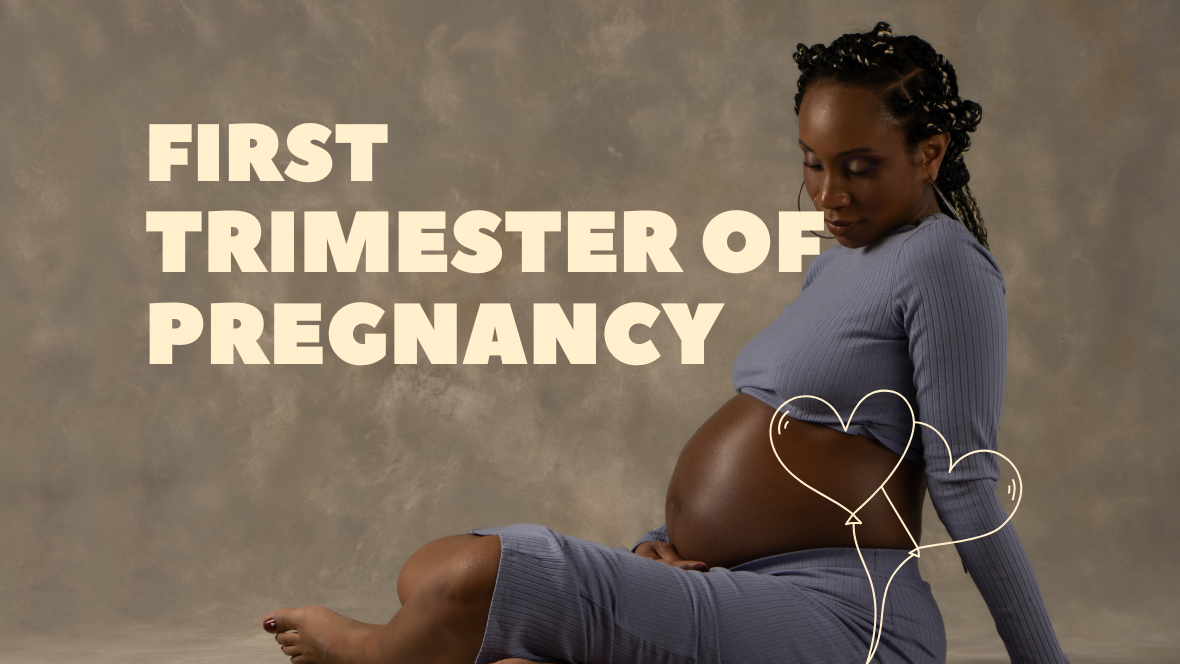

The first trimester of pregnancy is one of the most important phases for both the mother and the developing baby. Spanning from week 1 to week 12, this stage involves major physical, hormonal, and emotional changes. Understanding what happens during the first trimester can help you feel more confident, prepared, and healthy throughout your pregnancy journey.
What Is the First Trimester of Pregnancy?
The first trimester begins on the first day of your last menstrual period and lasts until the end of week 12. During this time, the fertilized egg implants in the uterus and starts developing into an embryo and then a fetus.
This trimester is crucial because all major organs and body systems of the baby begin forming
Common First Trimester Symptoms
Every pregnancy is unique, but many women experience the following first trimester pregnancy symptoms:
- Morning sickness (nausea and vomiting)
- Fatigue and extreme tiredness
- Breast tenderness and swelling
- Frequent urination
- Mood swings
- Food cravings or aversions
- Bloating and constipation
- Mild cramping or spotting (implantation bleeding)
👉 If symptoms are severe or unusual, consult your doctor immediately.
Baby’s Development in the First Trimester
During the first 12 weeks, your baby goes through rapid development:
Week 4–5: Heart and nervous system begin forming
Week 6–7: Facial features, arms, and legs start developing
Week 8: Baby begins moving (not felt yet)
Week 10–12: Organs form, heartbeat is strong, baby is called a fetus
By the end of the first trimester, your baby is about 5–6 cm long.
Essential First Trimester Care Tips
Proper care during the first trimester supports a healthy pregnancy:
1. Start Prenatal Vitamins
Take folic acid, iron, calcium, and DHA as prescribed to prevent birth defects.
2. Eat a Balanced Diet
Include:
- Fruits and vegetables
- Whole grains
- Protein-rich foods
- Dairy or calcium-rich alternatives
Avoid raw foods, unpasteurized dairy, and excessive caffeine.
3. Stay Hydrated
Drink plenty of water to reduce nausea, constipation, and fatigue.
4. Get Enough Rest
Hormonal changes can cause extreme tiredness—listen to your body.
5. Avoid Harmful Substances
Completely avoid alcohol, smoking, drugs, and unnecessary medications.
Medical Checkups in the First Trimester
Important tests and scans include:
- Pregnancy confirmation test
- Blood and urine tests
- Blood group and Rh factor
- First ultrasound (dating scan)
- Thyroid and sugar level checks
Regular prenatal visits help detect and prevent complications early.
If you’re planning pregnancy, start with our pregnancy planning guide before your first trimester.
Emotional Changes During the First Trimester
Hormonal fluctuations can cause:
- Anxiety
- Mood swings
- Fear or excitement
- Emotional sensitivity
This is completely normal. Talking to your partner, family, or healthcare provider can help.
Many expectant moms experience common early pregnancy symptoms in the first trimester.
Do’s and Don’ts in the First Trimester
| Do’s | Don’ts |
|---|---|
| Take prenatal vitamins | Skip meals |
| Eat small, frequent meals | Self-medicate |
| Practice light exercise (as advised by your doctor) | Overexert yourself |
| Maintain personal hygiene | Stress excessively |
According to March of Dimes, the first trimester pregnancy care includes essential checkups and nutrition guidelines.
[ultimate-pregnancy-ovulation]
When to See a Doctor Immediately
Seek medical attention if you experience:
- Heavy bleeding
- Severe abdominal pain
- High fever
- Persistent vomiting
- Dizziness or fainting
[…] our guide to the first trimester of pregnancy for more information about early pregnancy symptoms and body […]