
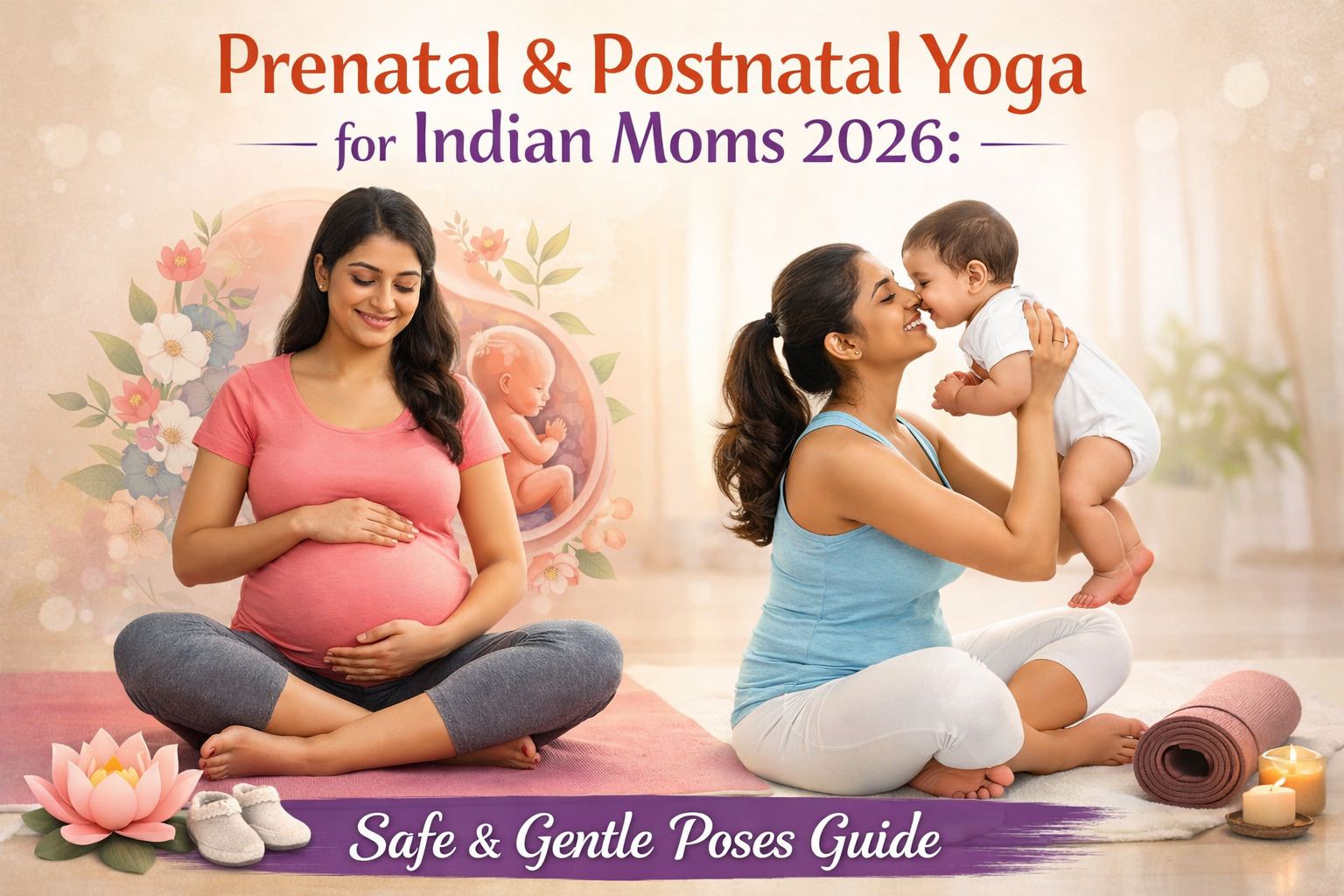

MomSaathi.com provides content for informational and educational purposes only. It is not intended to serve as a substitute for professional medical advice, diagnosis, or treatment. Always consult your gynecologist or healthcare provider before starting any yoga practice during pregnancy or postpartum, especially if you have complications, C-section recovery, high-risk pregnancy, or conditions like PCOS. Listen to your body and stop if you feel pain or discomfort.
Reviewed by: Aarti Subudhi Certified Yoga Instructor | Women’s Wellness Expert | Prenatal & Postnatal Yoga Specialist
Author: Team MomSaathi Expert
As a certified yoga instructor , therapeutic yoga certification, pranayama expertise, and a deep passion for women’s wellness, Aarti Subudhi has guided countless Indian moms through gentle, safe yoga journeys. Her approach emphasizes mindful movement, breath awareness, and emotional balance — perfect for the unique needs of pregnancy, postpartum recovery, and everyday mom life in 2026.
In this guide, we share Aarti-inspired, beginner-friendly poses tailored for Indian moms. These are gentle, low-impact, and focus on core strength, pelvic health, stress relief, and hormonal harmony.
-
Why Yoga is a Gift for Indian Moms
Yoga supports:
- Prenatal: Better sleep, reduced back pain, improved flexibility, stress management, and preparation for labor.
- Postnatal: Core & pelvic floor recovery, mood lift (helps with baby blues), energy boost, and body awareness.
- Overall: Hormonal balance (helpful for PCOS), better posture from carrying babies, and emotional resilience amid busy family life.
Aarti often says: “Yoga is not just exercise — it’s discipline, self-love, and acceptance. Even 10 mindful minutes a day can transform how you feel as a woman and mother.”
Top 5 Safe Prenatal Yoga Poses (1st–3rd Trimester)
Always use props (pillows, blocks, or wall) for support. Avoid deep twists, inversions, or lying flat on your back after the first trimester.
- Cat-Cow Pose (Marjaryasana-Bitilasana) On all fours, inhale to arch back (cow), exhale to round spine (cat). Benefits: Relieves lower back tension, improves spinal flexibility, gently opens chest. How long: 8–10 breaths.
- Butterfly Pose (Baddha Konasana) Sit with soles of feet together, knees open like wings; hold feet or ankles. Benefits: Opens hips and pelvis (great for labor prep), reduces inner thigh tightness. How long: 1–3 minutes, gently flap knees if comfortable.
- Mountain Pose (Tadasana) Stand tall, feet hip-width, arms relaxed or raised. Benefits: Improves posture, strengthens legs, boosts confidence and balance. How long: 30–60 seconds.
- Supported Squat (Malasana Variation) Squat with support (hold chair or wall), heels on floor or block. Benefits: Strengthens legs, opens pelvis, aids digestion. How long: 30–60 seconds.
- Legs-Up-the-Wall (Viparita Karani) Lie with legs up wall, hips close to wall, bolster under hips if needed. Benefits: Reduces swelling, calms mind, relieves tired legs. How long: 5–10 minutes.
Quick Tip from Aarti: Breathe deeply — use ujjayi or simple belly breathing to stay connected.
Top 5 Gentle Postnatal Yoga Poses (After 6–8 Weeks or Doctor Clearance)
Start slowly; focus on pelvic floor and core reconnection. Avoid intense abs or twists initially.
- Child’s Pose (Balasana) Kneel, sit back on heels, fold forward, arms extended or by sides. Benefits: Relaxes back, calms nervous system, gentle stretch. How long: 1–3 minutes.
- Pelvic Tilts (on back or all fours) Lie on back (or hands/knees), gently tilt pelvis to flatten lower back. Benefits: Reconnects core, strengthens pelvic floor safely. How long: 8–10 reps.
- Bridge Pose (Setu Bandhasana – Supported) Lie on back, knees bent, lift hips slightly with block under sacrum if needed. Benefits: Strengthens glutes, opens chest, aids posture. How long: Hold 20–30 seconds.
- Cat-Cow (Gentle Version) Same as prenatal, but slower and smaller range. Benefits: Mobilizes spine, releases tension. How long: 6–8 breaths.
- Supported Reclined Bound Angle (Supta Baddha Konasana) Lie back with pillows under knees/outer thighs, soles together. Benefits: Opens hips gently, relaxes deeply. How long: 3–5 minutes.
Quick Tip from Aarti: Focus on breath — exhale to engage pelvic floor gently.
Bonus: 3-Min Pranayama for Busy Moms (Anytime Stress Relief)
- Nadi Shodhan (Alternate Nostril Breathing): Balance hormones, calm mind.
- Bhramari (Humming Bee Breath): Reduces anxiety, great for postpartum mood.
- Deep Belly Breathing: Lie or sit, hand on belly — inhale to expand, exhale to draw in.
Safety & When to Start
- Prenatal: Safe from first trimester with modifications.
- Postnatal: Wait for doctor clearance (usually 6–8 weeks vaginal, longer for C-section).
- Avoid: Deep backbends, inversions, intense twists, or anything causing pain/pressure.
- PCOS moms: Gentle flows help balance hormones — consult Aarti for personalized advice.
Final Words from Aarti Subudhi
“Yoga teaches us self-acceptance and discipline. As moms, we give so much — give yourself the gift of mindful movement. Start small, be consistent, and watch how your body and mind respond with gratitude.”
Ready to try? Pick one pose today and share how it felt in the comments! Which one are you starting with?
Related Reads on MomSaathi.com:
- Mom Health Guide: Pregnancy to Postpartum
- Child Development Milestones Birth to 5 Years
- Baby Feeding & Nutrition (4–12 Months)
External Helpers: