
Baby Blues vs Postpartum Depression: Key Differences, Symptoms, and Support for New Moms
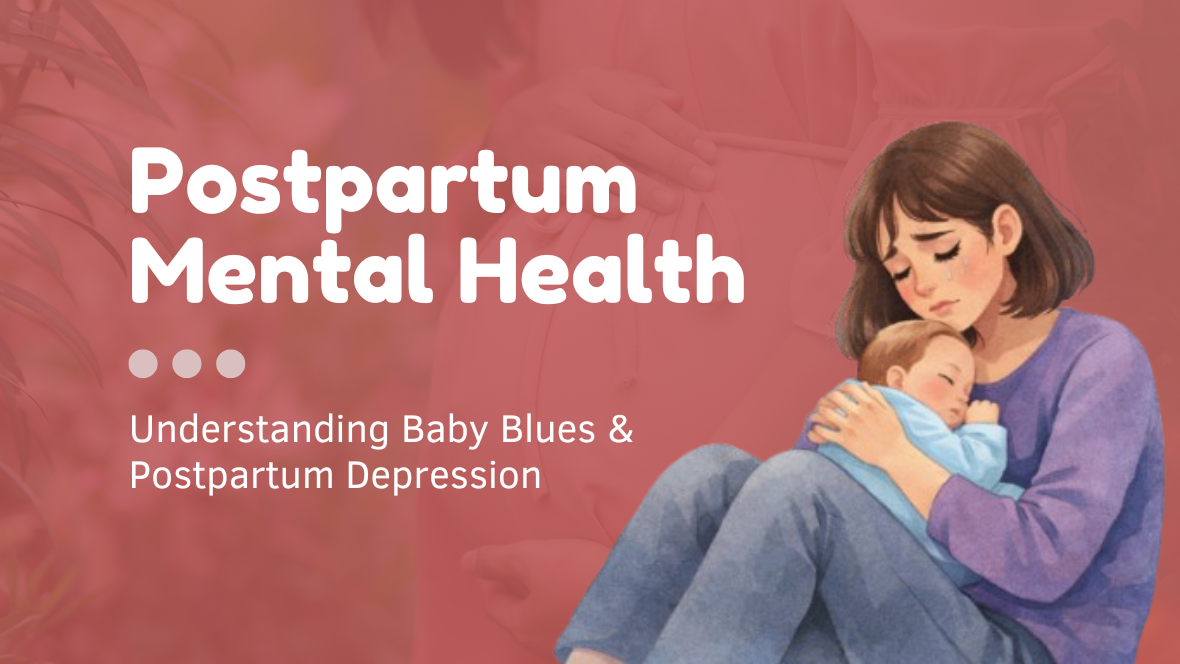
Welcoming a newborn brings immense joy, but the postpartum phase can also stir intense emotions for many mothers. Hormonal shifts, physical healing, sleep deprivation, and adjusting to parenthood often challenge mental well-being. Two frequent experiences are baby blues and postpartum depression (PPD). Knowing the difference between baby blues and postpartum depression helps new moms in India seek timely support and feel less alone.
In India, where family plays a big role but mental health stigma lingers, these issues affect many. Baby blues impact up to 80% of new mothers worldwide, while PPD affects around 19% in India (based on recent studies from 2020-2024). This guide explains symptoms, timelines, and when to get help.
What Are Baby Blues?
Baby blues (or maternity blues) are mild, short-lived emotional dips that most new moms face. They stem from sudden hormone drops after birth, plus fatigue and adjustment stress.
- Affects 70-85% of mothers globally.
- Starts 2-3 days after delivery.
- Peaks in the first week and fades within 2 weeks.
Common baby blues symptoms include:
- Mood swings or sudden tears.
- Irritability or restlessness.
- Mild anxiety or feeling overwhelmed.
- Trouble sleeping (even when exhausted).
- Brief sadness without a deep cause.
These pass naturally with rest, family help, healthy meals, and self-care. No medical treatment is usually needed.
What Is Postpartum Depression (PPD)?
Postpartum depression is a deeper, longer-lasting condition that disrupts daily life and bonding with your baby. It can start anytime in the first year, often in the initial months.
In India, PPD rates reach 19-22% due to factors like limited support, financial stress, or cultural expectations. It’s treatable but needs professional care.
Key postpartum depression symptoms include:
- Ongoing sadness, hopelessness, or emptiness.
- Severe anxiety, panic attacks, or constant worry.
- Loss of interest in hobbies, food, or baby care.
- Difficulty bonding with or feeling detached from the baby.
- Major sleep or appetite changes (too much or too little).
- Intense guilt, worthlessness, or thoughts of harm (to self or baby—seek urgent help).
PPD doesn’t resolve alone and may worsen without intervention.
Baby Blues vs Postpartum Depression: Quick Comparison
| Aspect | Baby Blues | Postpartum Depression (PPD) |
|---|---|---|
| Prevalence | 70-85% of new moms | 10-20% globally; ~19% in India |
| Onset | 2-3 days after birth | Anytime in the first year |
| Duration | Up to 2 weeks | Weeks to months (or longer untreated) |
| Severity | Mild and fluctuating | Intense and persistent |
| Common Symptoms | Tears, irritability, mild anxiety | Deep sadness, detachment, severe anxiety |
| Resolution | On its own with support | Needs therapy, counseling, or medication |
| Impact on Daily Life | Minimal | Significant—may affect baby care |
When to Seek Help for Postpartum Mental Health
If symptoms last beyond 2 weeks, intensify, or include harmful thoughts, contact a doctor immediately. In India:
- Talk to your gynecologist or pediatrician.
- Reach mental health helplines like Vandrevala Foundation (available 24/7) or iCall (TISS).
- Consider therapy apps or counselors specializing in perinatal mental health.
Early support—through family talks, rest, nutrition, or professional care—makes a huge difference.
The postpartum journey is tough, but you’re not alone. Many Indian moms navigate this with strength and support. Prioritize your well-being—it helps you and your baby thrive.
Disclaimer: This is general information, not medical advice. Always consult a qualified healthcare professional for personalized guidance.