
MomSaathi.com provides content for informational and educational purposes only. It is not intended to serve as a substitute for professional medical advice, diagnosis, or treatment. Always consult a pediatrician, child psychologist, or counselor for personalized guidance, especially regarding mental health, screen time, or behavioral concerns.
Parenting in 2026 India feels like walking a tightrope between ancient values and tomorrow’s world. You’re nurturing children amid smartphones, online classes, rising academic pressure, social media comparison, and a new openness about mental health — all while preserving family warmth, festivals, and emotional bonds.
This guide reflects 2025–2026 trends: emotional intelligence first, purposeful tech use, co-regulation over strict punishment, analog childhood, mental health as normal health, and less overscheduling. Whether you’re in a nuclear flat in Bengaluru, a joint family in Delhi, or anywhere across India, these realistic, guilt-free tips help you raise resilient, kind, and happy kids.
Why Parenting Looks Different Now (And Why That’s Okay)
Today’s Indian kids deal with:
- Early digital exposure (many get phones/tablets by 10–12 years)
- High screen time (often 3–6+ hours/day → linked to sleep problems, anxiety, focus issues)
- Intense school pressure + social media “perfect life” comparison
- Weaker extended-family buffers in urban homes
- Growing awareness of mental health (but stigma still lingers)
At the same time, Indian parents are moving toward:
- Connection over control
- Teaching feelings & resilience
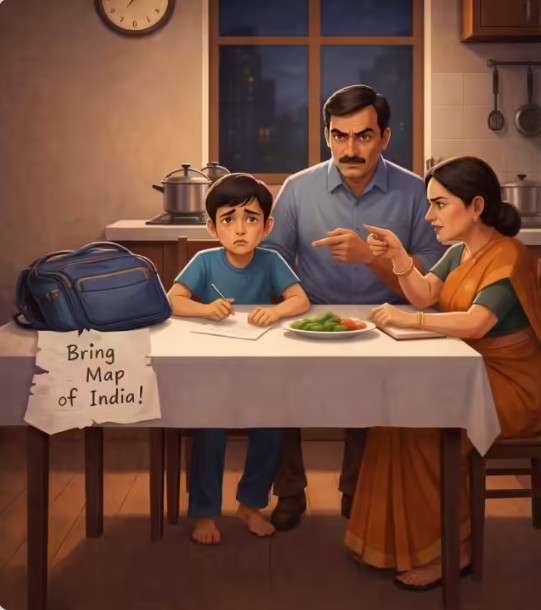
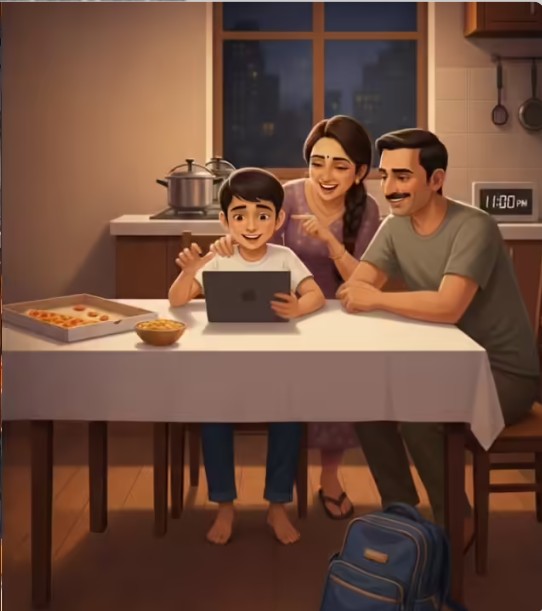
- Tech boundaries without banning joy
- More free play, less packed schedules
The sweet spot? Kids who are emotionally aware, digitally safe, and rooted in Indian values like respect, family, and empathy.
1. Build Emotional Intelligence & Co-Regulation (The #1 Trend)
Shift from “fix the behavior” to “help regulate the nervous system.”
Why it matters: Kids learn to calm themselves when they see you stay calm.
Everyday Ideas:
- During tantrums: Name the feeling (“You’re really angry right now”) → breathe together (4-second in, 4 out).
- Daily check-ins: “How was your heart feeling today?” (use simple emotion charts).
- Model repair: “I got upset earlier—I’m sorry, let’s hug.”
- Indian touch: Use grandma’s lullabies or family storytelling to soothe.


Quick Video Tip: Watch this short breathing exercise demo for kids and parents (great for bedtime routine).
2. Smart Screen Time Boundaries – No Guilt, Just Balance
2026 Reality: Screens educate and connect, but excess harms sleep, attention, mood, and family time.
Practical Rules (Inspired by WHO/AAP/ICMR-aligned advice):
- 0–2 years: No screens except video calls with grandparents.
- 2–5 years: ≤1 hour/day, co-viewed, educational (rhymes, stories).
- 6–12 years: 1–2 hours recreational (no screens 1 hour before bed, devices in common areas at night).
- Teens: Family media agreement → discuss apps, privacy, cyberbullying.
Easy Wins:
- Tech-free zones: Meals, bedrooms, car rides.
- Lead by example: Phone away during family time.
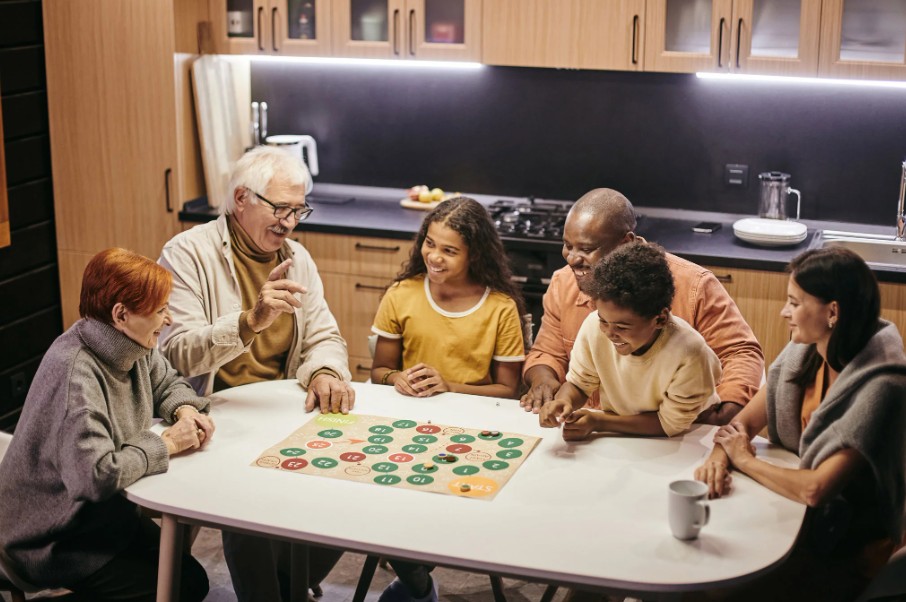
- Replace with analog joy: Board games (Ludo, Snakes & Ladders), outdoor play, reading physical books.

Video Recommendation: See how one family sets loving screen rules.
3. Normalize Mental Health Conversations Early
Mental health = health. Indian youth face high stress—early tools make a difference.
Daily Habits:
- Name emotions openly: “I see you’re worried about the test.”
- Teach empathy: “How do you think your friend felt?”
- Normalize counseling: “Talking to someone helps just like medicine for fever.”
- Short mindfulness: 2–5 min gratitude or breathing at night.
Indian Blend: Festival family talks, sharing feelings over chai or dinner.
Red flags (seek help): Persistent sadness, withdrawal, big sleep/eating changes, extreme anger.
Helpful Links:
- NIMHANS Child & Adolescent Mental Health Resources (India-specific support)
- YourDOST or 1to1help Counseling Platforms (affordable online options)
4. Embrace “Less Is More” – Slow, Intentional Parenting
Trend: Fewer classes, more free play. Less perfection, more presence.
Simple Shifts:
- Protect boredom → sparks creativity.
- Praise effort: “I love how you kept trying!”
- Self-care for you: Rest, friends, hobbies → happy parent = happy child.
- Mix tradition & modern: Diwali no-screen family games + mindful moments.
Quick 2026 Modern Parenting Checklist
- Daily: 10–15 min device-free connection
- Weekly: One analog family activity (board game, walk, cooking)
- Monthly: Review screen time + feelings check-in
- Always: Model calm, kindness, and boundaries
Final Thoughts from MomSaathi
Modern Indian parenting in 2026 isn’t about perfection — it’s about presence, gentle boundaries, and raising emotionally strong kids who can handle screens, stress, and life with confidence and kindness. You’re doing better than you think.
What’s one small modern parenting change you’re trying this month? Share in the comments — let’s cheer each other on, Indian parents!
Related Reads on MomSaathi.com:
- Child Development Milestones Birth to 5 Years
- Baby Feeding & Nutrition (4–12 Months)
- Mom Health Guide: Pregnancy to Postpartum
External Helpers (Trusted Resources):