
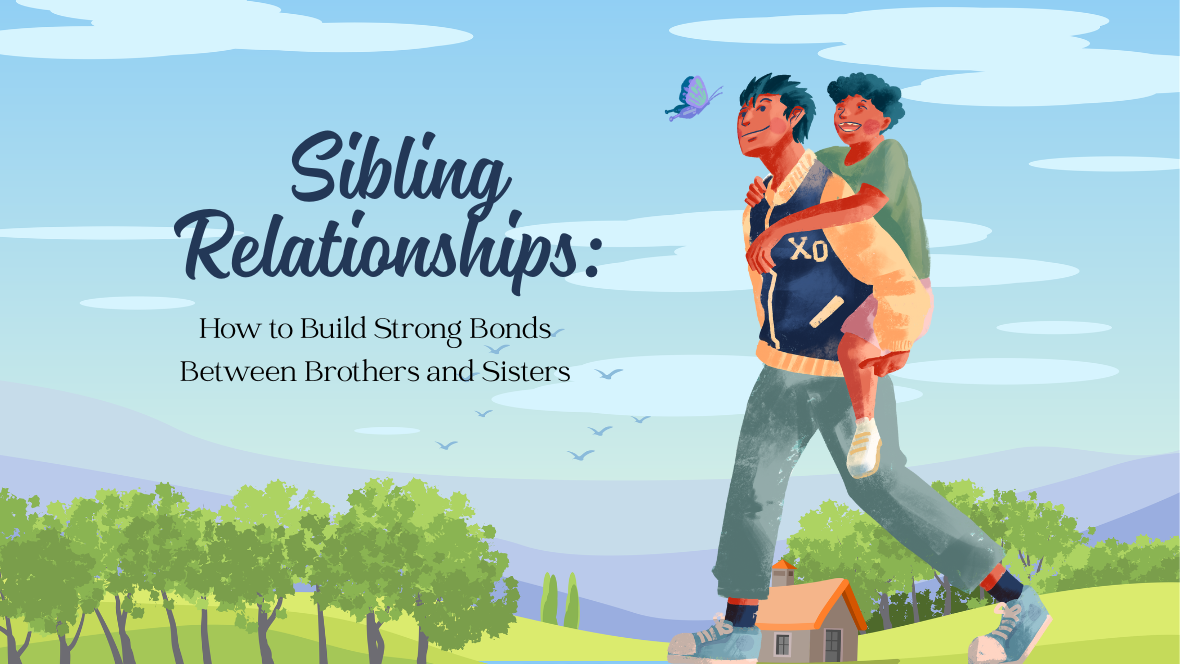

Sibling relationships are some of the most enduring connections in a person’s life. From childhood through adulthood, brothers and sisters play a crucial role in shaping emotional growth, social skills, and family dynamics. Understanding how to nurture healthy sibling relationships can help reduce conflict and foster lifelong bonds.
The Importance of Sibling Relationships
Siblings influence each other in many ways. Positive sibling interactions teach empathy, cooperation, and conflict resolution. Even when siblings argue, these experiences can help children develop problem-solving skills and resilience. Research shows that strong sibling bonds are linked to higher self-esteem and better mental health in adulthood.
Common Challenges in Sibling Relationships
It’s normal for siblings to experience rivalry and disagreements. Factors such as age differences, personality traits, and parental attention can lead to conflicts. Sibling rivalry may manifest as teasing, arguments, or competition for resources. While minor disputes are typical, ongoing tension may indicate deeper issues that require attention from parents or caregivers.
Tips for Building Healthy Sibling Bonds
Parents and caregivers play a vital role in nurturing positive sibling relationships. Here are practical strategies to strengthen sibling bonds:
-
Encourage Cooperation Over Competition: Promote teamwork through shared activities, games, and projects.
-
Spend Quality Time Together: Encourage siblings to play, read, or explore hobbies together.
-
Model Respectful Communication: Show children how to express feelings and resolve conflicts calmly.
-
Celebrate Individuality: Acknowledge each child’s strengths and achievements without comparisons.
-
Teach Empathy: Help children recognize and understand each other’s emotions.
The Role of Parents in Sibling Relationships
Parents influence sibling interactions through guidance, fairness, and emotional support. Avoid favoritism and listen to each child’s perspective during disagreements. Setting clear family rules and consistent consequences can reduce rivalry and create a sense of security.
Conclusion
Strong sibling relationships contribute to emotional well-being, social skills, and lifelong friendships. While conflicts are normal, parents and caregivers can help children develop empathy, cooperation, and mutual respect. By fostering a supportive environment, families can help siblings build bonds that last a lifetime.


[…] 👉 How to Build Strong Bonds Between Siblings […]
[…] 👉 How to Build Strong Bonds Between Siblings […]