








Introduction
The first year of your baby’s life is a journey filled with joy, learning, sleepless nights, and countless questions. From feeding routines and vaccination schedules to developmental milestones and common illnesses, caring for a newborn can feel overwhelming — especially for first-time parents.
This Complete Baby Care Guide for Indian parents is designed to give you clarity, confidence, and medically informed guidance. Whether you are caring for a newborn, starting solid foods, managing minor illnesses, or tracking developmental progress, this guide brings everything together in one place.
Newborn Care (0–3 Months)
The first three months focus on feeding, sleep regulation, hygiene, and immunity building.
Feeding in the First 3 Months
Newborns usually feed every 2–3 hours. Exclusive breastfeeding is recommended for the first 6 months unless advised otherwise by a pediatrician.
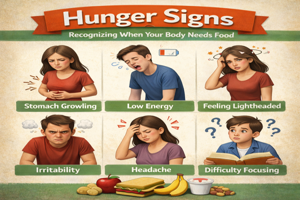
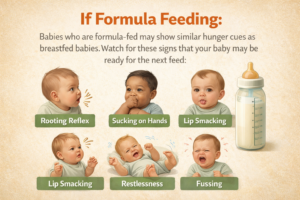
Hunger Signs:
- Rooting reflex
- Lip smacking
- Sucking fingers
- Crying (late sign)
If breastfeeding:
- Ensure proper latch
- Feed on demand
- Switch sides during feeding
- Stay hydrated
If formula feeding:
- Use pediatrician-approved formula
- Sterilize bottles properly
- Avoid overfeeding
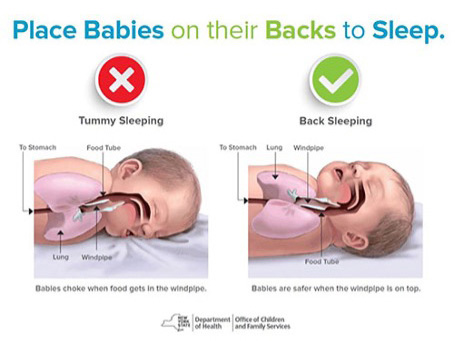
Safe Sleep Guidelines
Newborns sleep 14–17 hours daily but in short cycles.
Follow safe sleep practices:
Always place baby on their back
Use firm mattress
Avoid pillows and stuffed toys
Avoid overheating
Room-sharing without bed-sharing is recommended.
Umbilical Cord & Skin Care
Keep the cord stump clean and dry until it falls off naturally.
For skin:
Bathe 2–3 times a week
Use mild, fragrance-free products
Avoid talcum powder
Moisturize gently if skin is dry
Common issues:
Cradle cap
Heat rash
Mild peeling
Baby Feeding & Nutrition (4–12 Months)
Starting Solids (Around 6 Months)
Signs baby is ready:
Sits with support
Good head control
Shows interest in food
Tongue-thrust reflex reduced
First Foods in India:
Ragi porridge
Rice cereal
Mashed banana
Boiled mashed vegetables
Dal mash
Introduce one food at a time and observe for allergies.
Sample Feeding Schedule (6–9 Months)
Morning: Breastmilk
Mid-morning: Fruit puree
Lunch: Dal + rice mash
Evening: Breastmilk
Dinner: Vegetable puree
Adjust according to your pediatrician’s guidance.
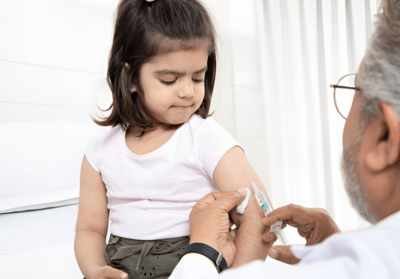
Vaccination & Preventive Care
Vaccines protect your baby from life-threatening diseases.
Essential Vaccines in India
At Birth:
BCG
OPV
Hepatitis B
6 Weeks:
DPT
Hib
Rotavirus
9 Months:
Measles / MMR
Mild fever after vaccination is common. Keep baby hydrated and monitor closely.
Always maintain vaccination record.
Common Baby Health Problems
Newborn Jaundice
Yellowing of skin and eyes due to bilirubin buildup. Mild jaundice is common, but severe cases require medical care.
Warning signs:
Extreme sleepiness
Poor feeding
Deep yellow skin
Colic
Persistent crying for long hours, usually due to gas discomfort.
Relief methods:
Gentle burping
Tummy massage
Warm compress
Diaper Rash
Caused by moisture or friction.
Prevention:
Frequent diaper changes
Air exposure
Barrier creams
Fever
Any fever in babies under 3 months requires medical evaluation.
Baby Development & Milestones
Each baby develops at their own pace, but general milestones guide progress.
Milestone Overview
| Age | Physical | Social | Language |
|---|---|---|---|
| 3 Months | Holds head | Smiles | Coos |
| 6 Months | Rolls | Recognizes faces | Babbles |
| 9 Months | Sits | Stranger anxiety | Responds to name |
| 12 Months | Walks | Waves | Says 1–2 words |
Red Flags
Consult pediatrician if:
No eye contact by 3 months
No babbling by 9 months
Not sitting by 10 months
Loss of previously acquired skills
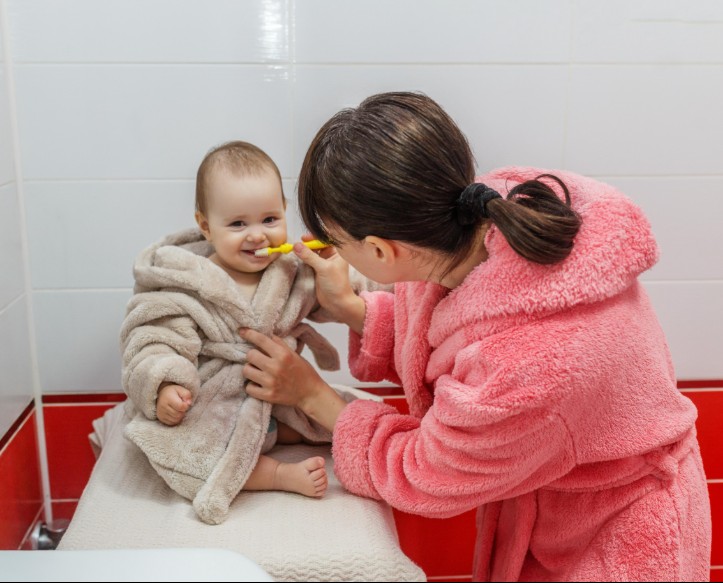
Baby Oral Care
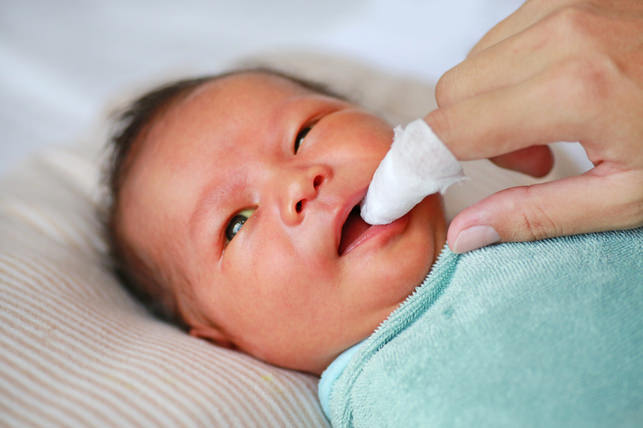
Oral care begins before teeth appear.
0–6 Months
Clean gums with damp cloth
Avoid sugary liquids
After Teeth Erupt
Use soft baby toothbrush
Brush twice daily
Avoid bottle feeding during sleep
First dental visit recommended by age 1.
Baby Safety & Hygiene
Safety is essential during the first year.
Use rear-facing car seat
Never leave baby unattended
Keep small objects away
Install safety gates
Avoid baby walkers
When to Consult a Pediatrician Immediately
Seek medical attention if baby has:
High fever
Persistent vomiting
Difficulty breathing
Seizures
Severe dehydration
Bluish lips
Trust your instincts.
Baby Care Do’s & Don’ts
Do’s
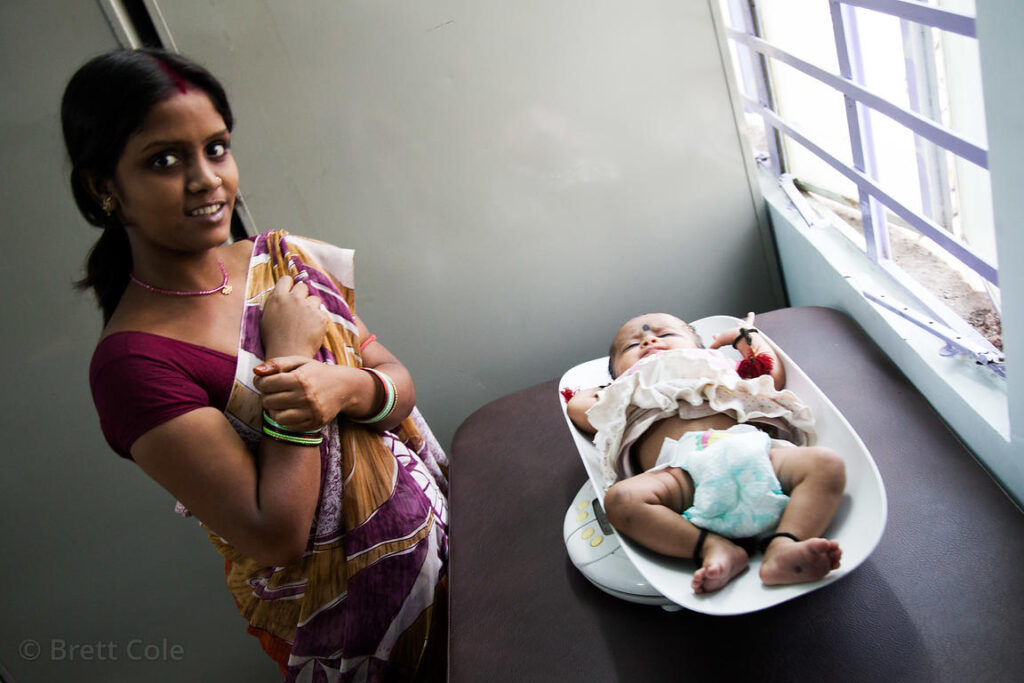
Follow vaccination schedule
Encourage tummy time
Maintain hygiene
Track milestones
Attend regular check-ups
Don’ts
Give honey before 1 year
Ignore persistent fever
Overuse talcum powder
Compare baby excessively
Related Baby Care Articles
Frequently Asked Questions
Girl Baby Names Starting with S in Tamil | 100+ Beautiful Names with Meanings (2026)
Naming your baby girl is a heartfelt decision, especially when you want a name that honors Tamil heritage
Best WhatsApp DP for Boys: 50+ Stylish, Attitude, Cool & Trendy Profile Pictures 2025–2026
Your WhatsApp DP (display picture) is your digital identity—make it reflect your swag, mood, and personality! In 2025–2026,
Bible Verses About Birth: Inspiring Scriptures for Pregnancy, Delivery, and Welcoming Your Newborn
The miracle of birth is one of life’s most profound experiences. For many expectant moms, pregnancy and labor
How often should I bathe my newborn?
2–3 times per week is sufficient.
When should solids start?
Around 6 months with pediatric consultation.
Is mild jaundice normal?
Yes, but high bilirubin levels need medical evaluation.
When do babies start walking?
Most babies walk between 9–15 months.
When should I worry about development?
If major milestones are missed significantly.
Final Thoughts
Parenting is a learning journey. With proper guidance, regular pediatric check-ups, and attentive care, you can ensure your baby grows healthy and happy.
Use this guide as your trusted reference throughout the first year.
Lorem ipsum dolor sit amet, consectetur adipiscing elit. Ut elit tellus, luctus nec ullamcorper mattis, pulvinar dapibus leo.
